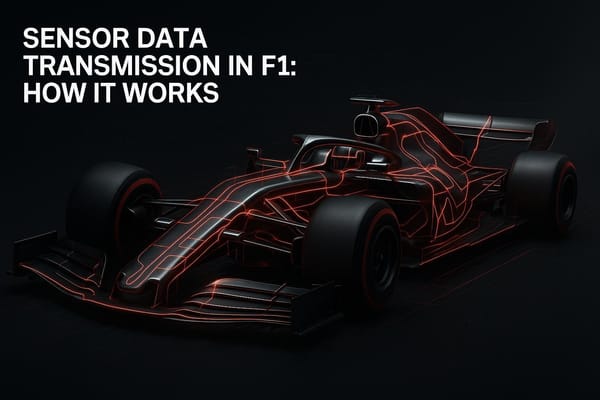
Sensor Data Transmission in F1: How It Works
How F1 cars collect, filter and transmit ~1.1M sensor data points/sec using on-car CAN networks, encrypted wireless telemetry, and factory links.

How F1 cars collect, filter and transmit ~1.1M sensor data points/sec using on-car CAN networks, encrypted wireless telemetry, and factory links.
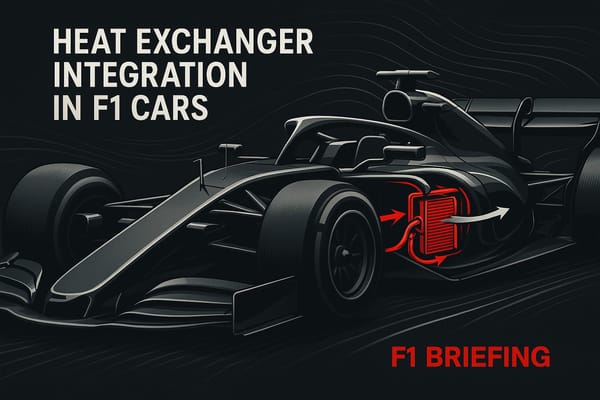
Explains how F1 teams optimize radiator placement, ducting, and 3D-printed cores to balance cooling needs with aerodynamic drag and performance.
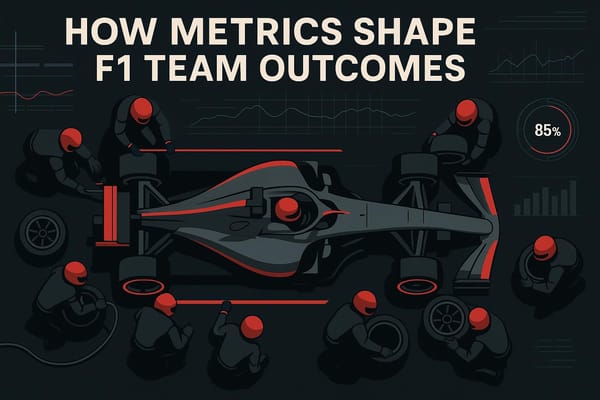
Integrated car, driver, and pit-crew metrics—aligned with cost-cap efficiency—are the decisive edge that turns F1 telemetry into consistent race wins.
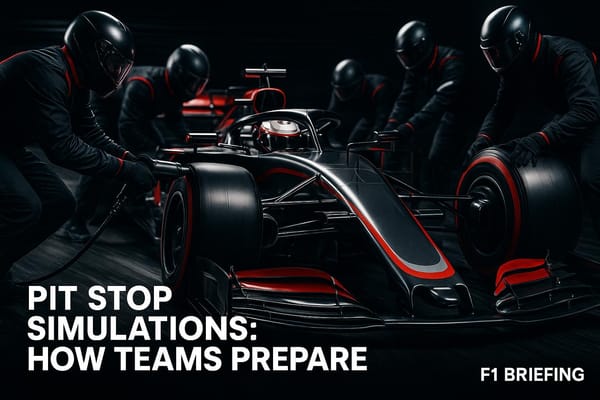
How F1 teams use simulations, driver-in-loop rigs and intense pit-crew drills to plan pit windows, rehearse sub-2.5s stops and adapt strategy in real time.

Regional media fundamentally shape how F1 rivalries are framed, shifting fan perception, team PR and sponsor strategy.
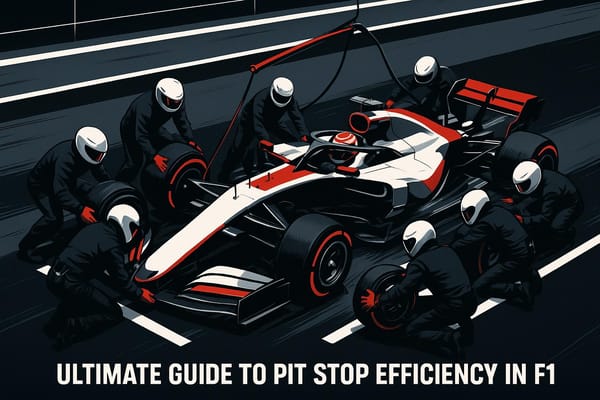
How F1 teams shave tenths of a second: phases, crew roles, tools, metrics, and strategy to achieve consistent 2.0–2.5s pit stops.
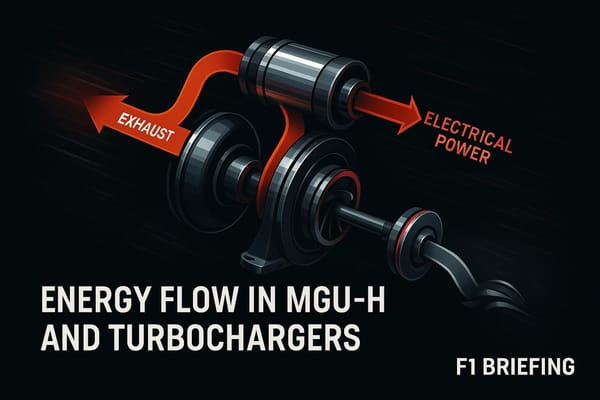
How F1’s MGU-H and turbochargers convert exhaust heat into electrical power, cut turbo lag, and reshape race energy strategy.

The Mercedes W05 paired advanced aerodynamics with the PU106A hybrid, using a split-turbo and ERS to boost efficiency and dominate the 2014 F1 season.
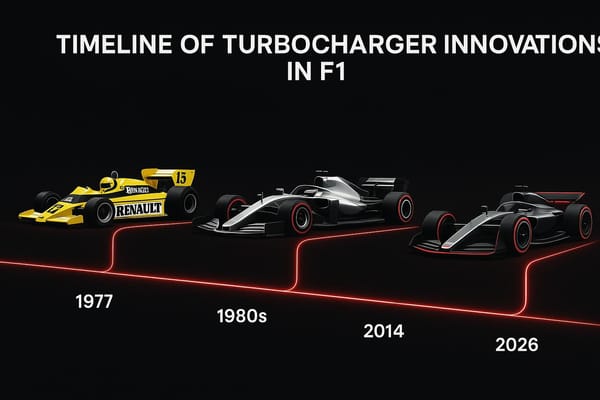
A timeline of turbocharger innovation in Formula One — Renault’s 1977 breakthrough, the 1980s power peak, the 1989 ban, the 2014 hybrid return, and 2026 changes.

How F1's prize distribution and legacy bonuses widen the financial gap, entrenching top teams and limiting smaller teams' ability to compete.
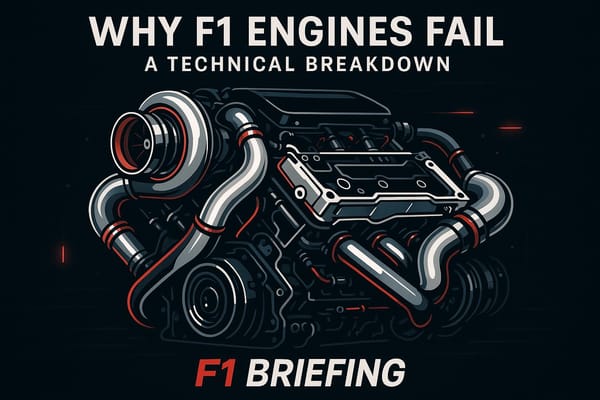
Explains why modern F1 power units fail — combustion instability, fuel/turbo/cooling problems — and how teams balance reliability with penalty limits.
How F1 budget caps reshape team spending, development trade-offs and competitive balance — and what the 2026 cap changes mean for team strategies.