
Pit Timing in F1: Ultimate Data Guide
Price total pit loss, track tire degradation, map rejoin gaps, and use SC/VSC math to choose the optimal lap to pit.
Price total pit loss, track tire degradation, map rejoin gaps, and use SC/VSC math to choose the optimal lap to pit.
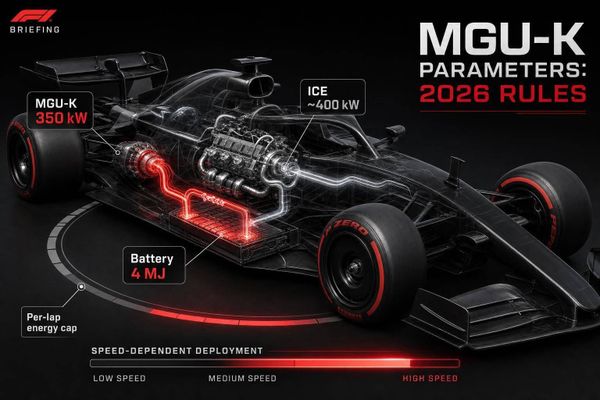
2026 MGU-K explained: 350 kW electric, ~400 kW ICE, a 4 MJ usable battery, per-lap energy caps and speed-dependent deployment.
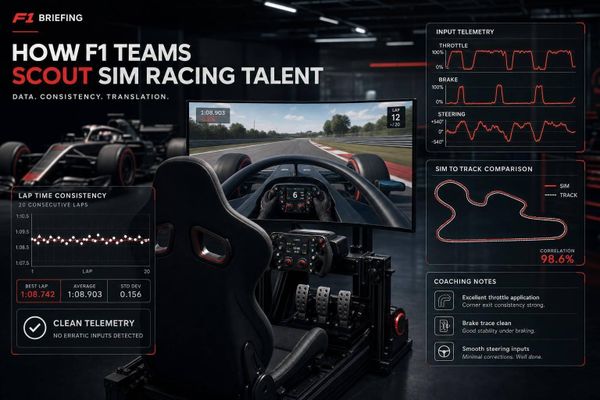
How F1 teams evaluate sim racers: repeatable 15–20 lap pace, clean telemetry, racecraft, coachability, and sim-to-track validation.
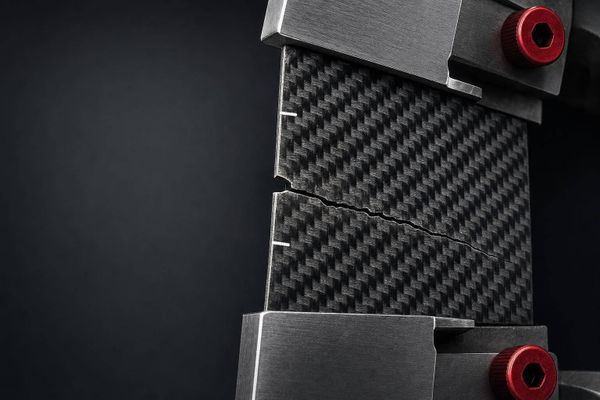
Fracture toughness testing reveals whether F1 carbon panels stop cracks or let them spread — shaping design, repair and material choices.
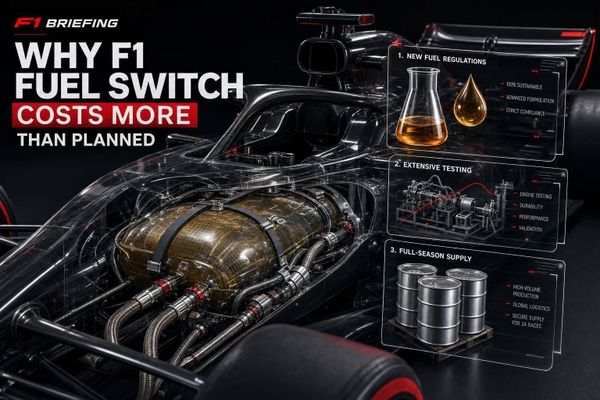
Why 2026 F1 fuel costs far more: strict non-fossil rules, extensive testing, limited suppliers and season-long supply needs.
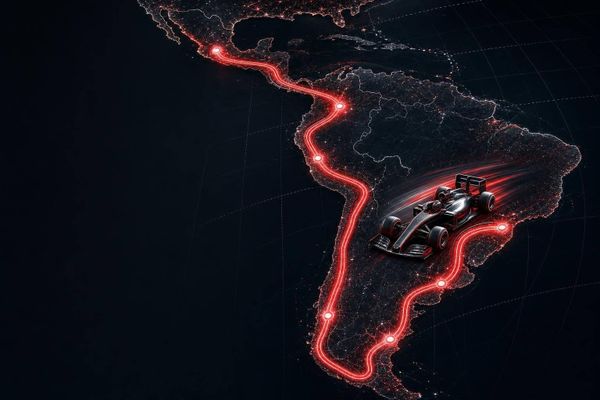
Latin America's audience scale, live-TV habits, streaming reach, sponsors and local drivers are driving higher F1 media-rights value.

Thermography is the fastest first-pass for F1 monocoque checks; UT confirms depth and CT finalizes the verdict.

How F1 drivers build heat tolerance, aerobic endurance, hydration plans, and pacing to stay sharp in 90–120 minute hot races.
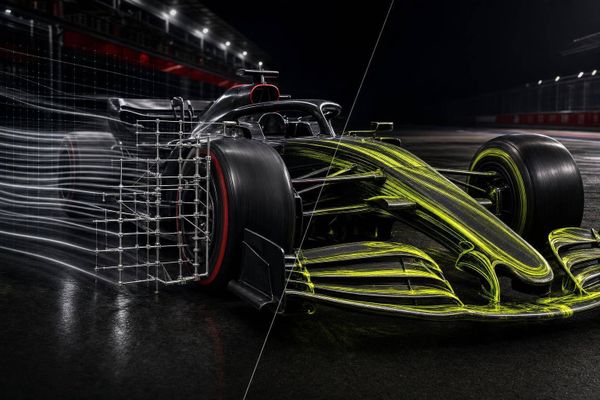
Explains how aero rakes deliver quantitative wake data while flow-vis maps surface attachment and why F1 teams use both.
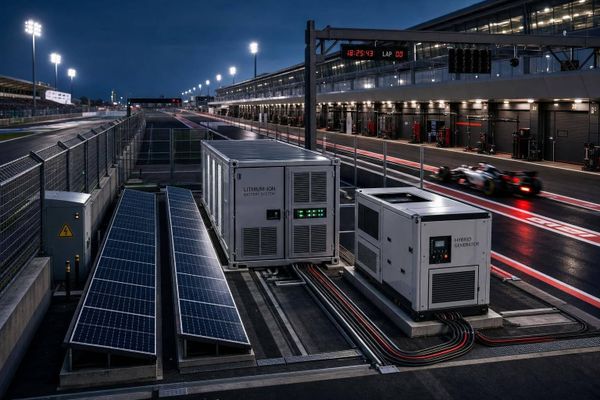
Some F1 venues can run parts of a race site on renewables with grid, batteries and hybrid backup, but full weekend coverage is limited by demand and cost.
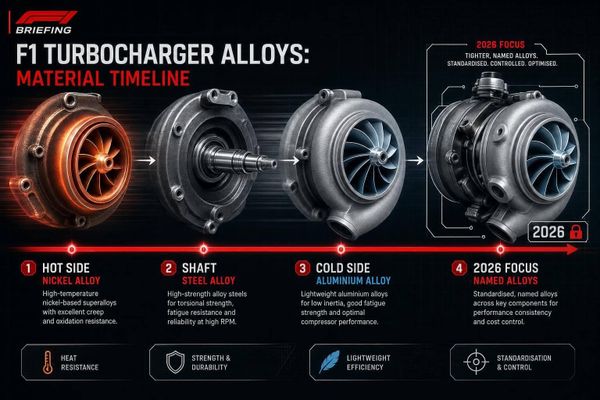
F1 turbo materials timeline: nickel on the hot side, aluminum on the cold side, steel shafts — and tighter, named alloys for 2026 rules.
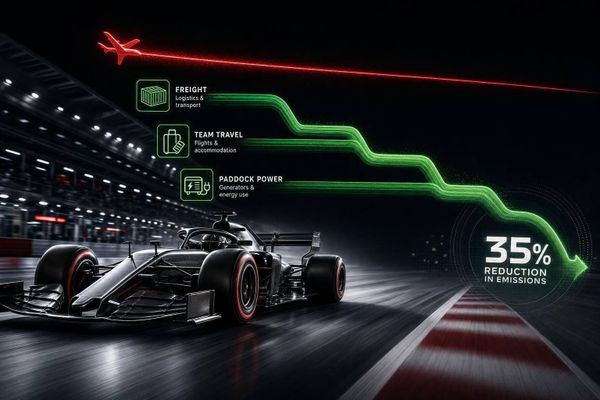
Freight, team travel and paddock power drove a 35% fall in F1 race weekend emissions; aviation remains hardest to cut.
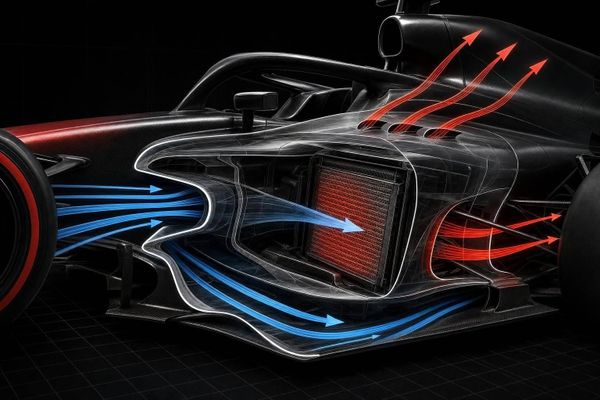
Explains how inlet size, undercut, radiator layout and exits trade cooling, drag and rear downforce on F1 cars.
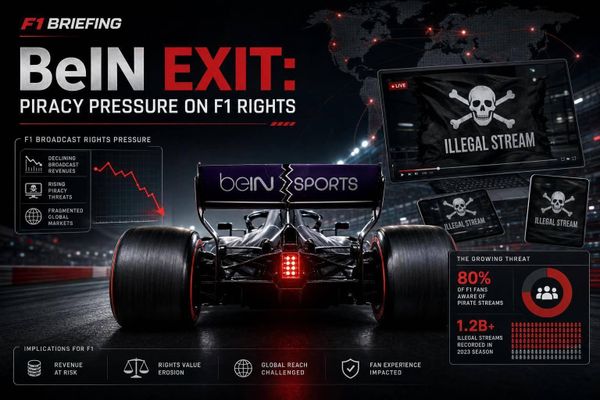
Piracy eroded F1 exclusivity in MENA, cutting rights value, shortening deals, and forcing feed control and stronger anti-piracy measures.
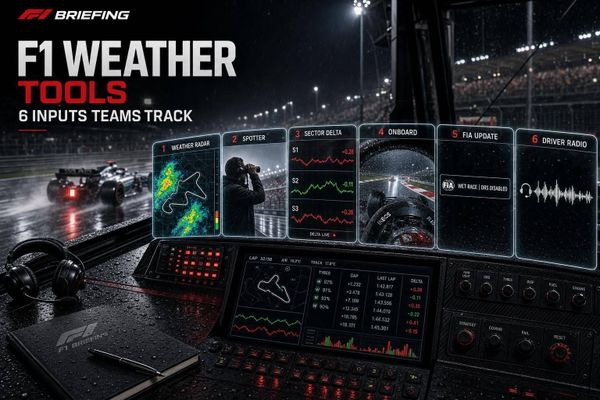
Wet-race wins hinge on stacking radar, spotters, sector deltas, onboard video, FIA updates and driver radio — act when multiple signals align.
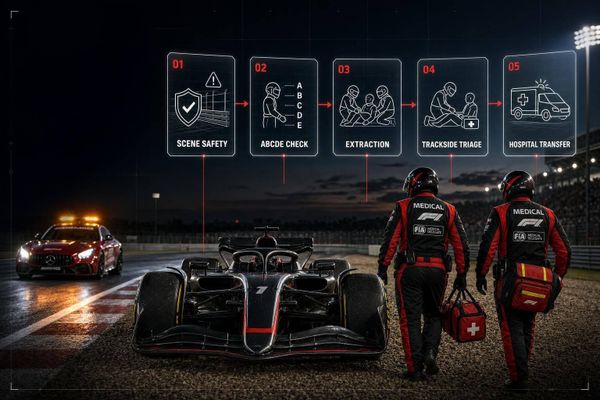
Step-by-step F1 medical care: scene safety, ABCDE checks, extraction, trackside triage, and hospital transfer criteria.
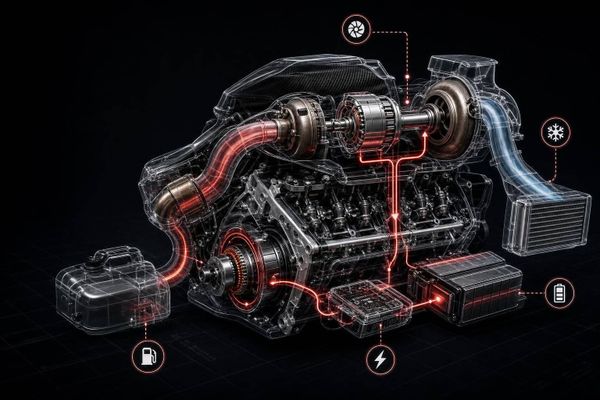
How the 2014 switch to 1.6L turbo V6 hybrids, ERS and a 100 kg fuel limit rewrote F1 priorities - efficiency, integration and team gaps.
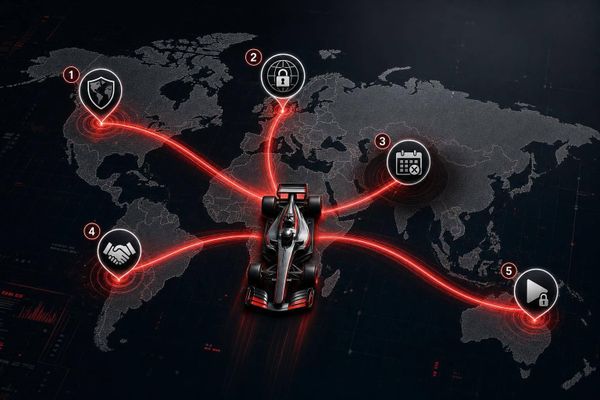
Five licensing rules — territorial limits, geo‑blocking, blackouts, local partner rights, and digital access — explain why F1 stops abroad.
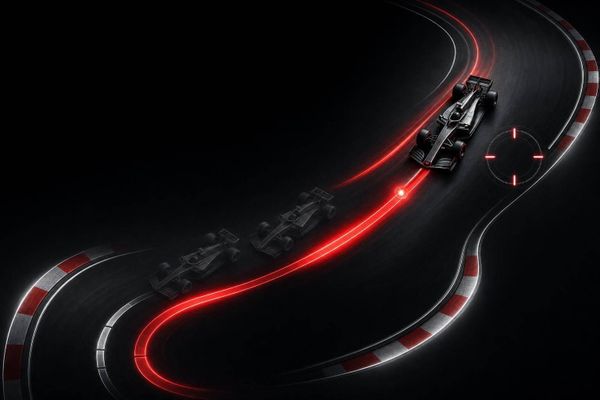
Why 350 kW won't win races: 2026 lap time depends on when drivers charge and spend 4 MJ with the MGU-K.
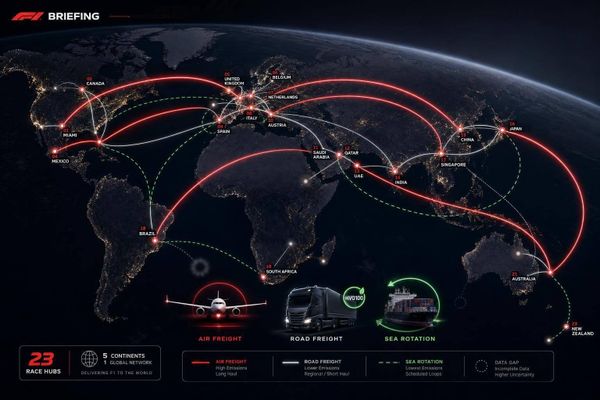
The sport's logistics show cuts from HVO100 trucks and sea rotation, but air freight, limited SAF and data gaps threaten Net Zero 2030.
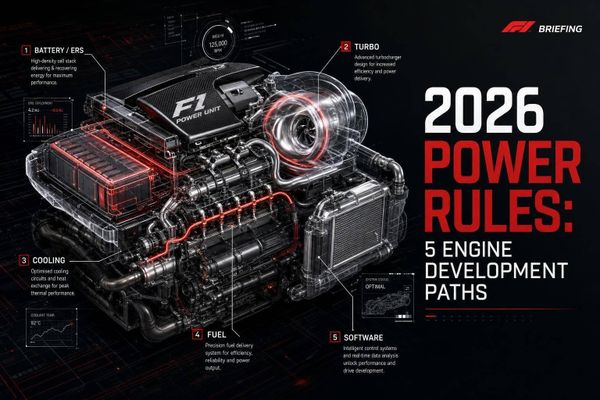
How five paths—battery, turbo, cooling, fuel and software—will shape team performance under F1's 2026 power-unit rules.
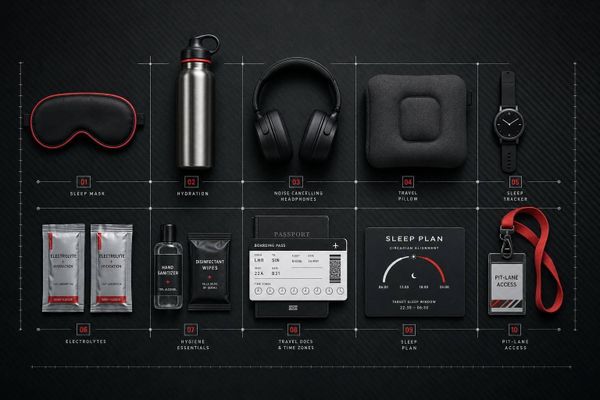
F1 teams treat travel as performance—using sleep plans, flight timing, hydration, hotel setups and rotation to cut jet lag and illness.
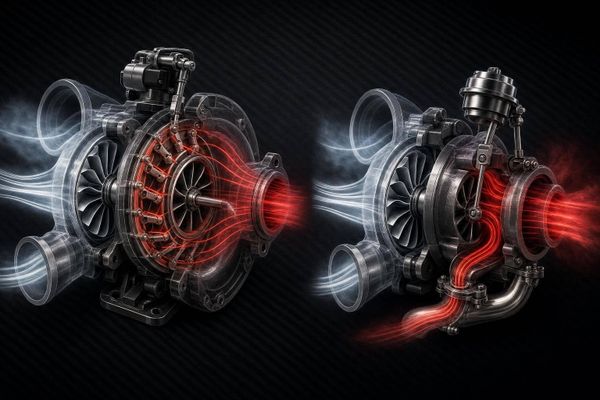
VGT boosts corner-exit response, but wastegate turbos prevail in F1 for legality, heat durability, and race-long reliability.
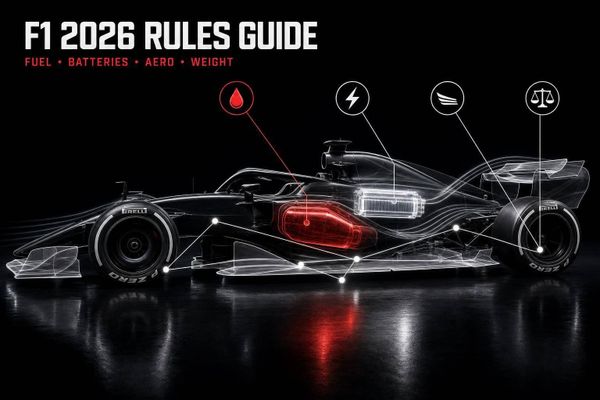
2026 F1 rules force teams to trade fuel, battery, aero and weight — winners will be those who best balance all four systems.