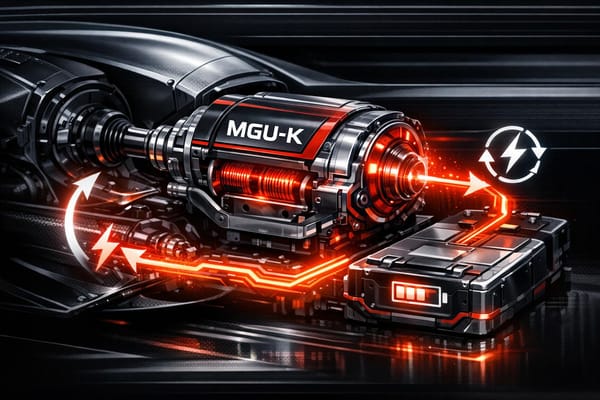
How FIA Regulates Energy Recovery Systems
Clear guide to FIA ERS rules and 2026 changes: MGU-K power jump, energy limits, safety upgrades, homologation, telemetry monitoring and enforcement.

Clear guide to FIA ERS rules and 2026 changes: MGU-K power jump, energy limits, safety upgrades, homologation, telemetry monitoring and enforcement.
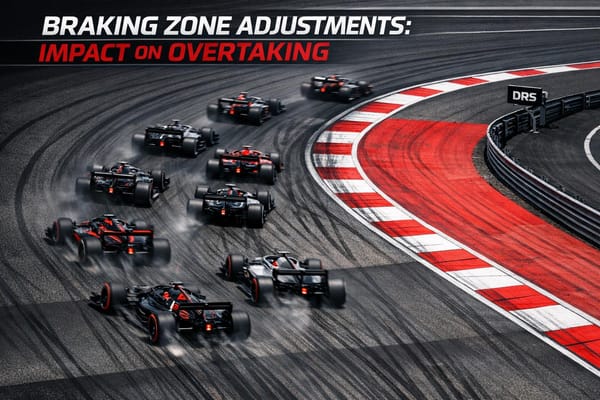
How changes to braking zones and DRS at Bahrain, Barcelona and Yas Marina reshape overtaking, strategy, and safety in F1 races.

How F1 teams cut telemetry latency using edge computing, tiered storage, Kafka, optimized networks and error correction for real-time race decisions.
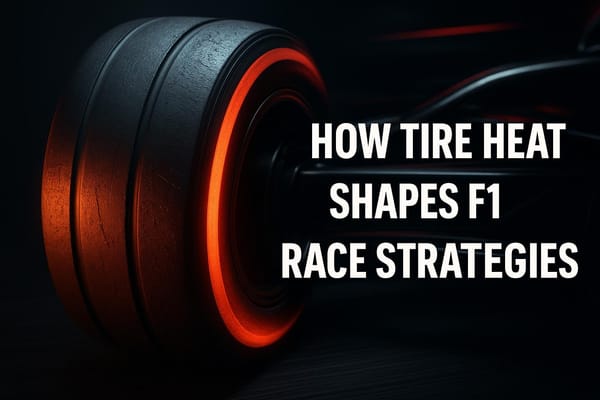
Tire temperatures control grip, wear and pit strategy; how teams target a 90–110°C sweet spot to optimize stints and race decisions.
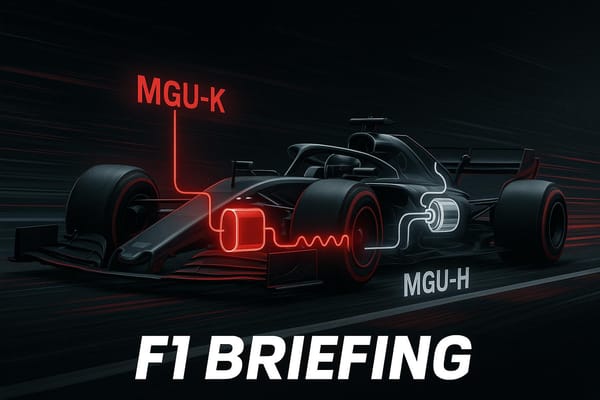
How MGU-K and MGU-H recover and deploy energy on high-speed F1 tracks, and what the 2026 MGU-H removal means for hybrid power.
F1's 2026 power units shift to 50% electric, 100% sustainable fuel, doubled energy recovery, and active aero — reshaping race strategy and road-car tech.
Banned rear‑wing innovations — T‑wings, shark fins, mini‑DRS and beam wings — reveal the clash between aerodynamic gains, safety and fair racing.
Checklist for meeting F1's 2025 flexi-wing rules: Article 3.15 limits, 75 kg rear‑wing and 30 N slot‑gap tests, FEA, static/wind‑tunnel validation and race monitoring.
How F1 cars collect, filter and transmit ~1.1M sensor data points/sec using on-car CAN networks, encrypted wireless telemetry, and factory links.
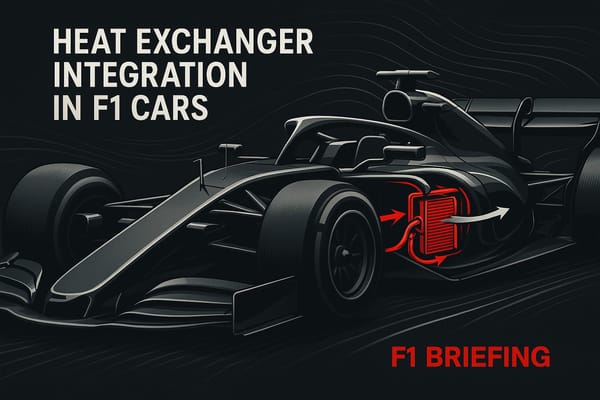
Explains how F1 teams optimize radiator placement, ducting, and 3D-printed cores to balance cooling needs with aerodynamic drag and performance.
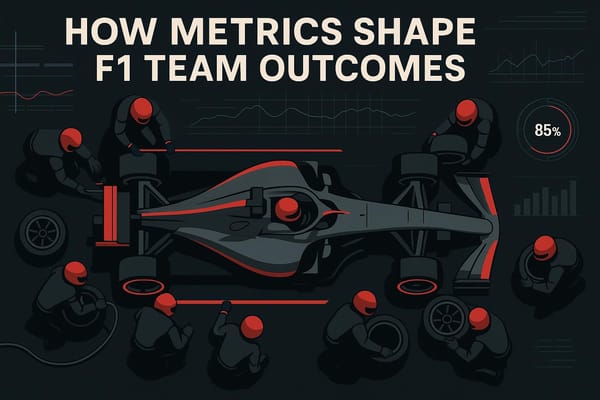
Integrated car, driver, and pit-crew metrics—aligned with cost-cap efficiency—are the decisive edge that turns F1 telemetry into consistent race wins.
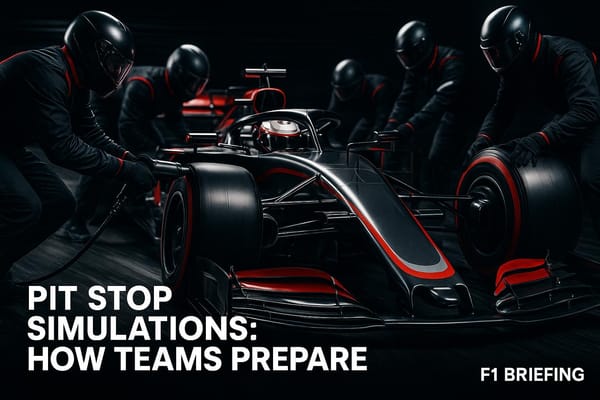
How F1 teams use simulations, driver-in-loop rigs and intense pit-crew drills to plan pit windows, rehearse sub-2.5s stops and adapt strategy in real time.