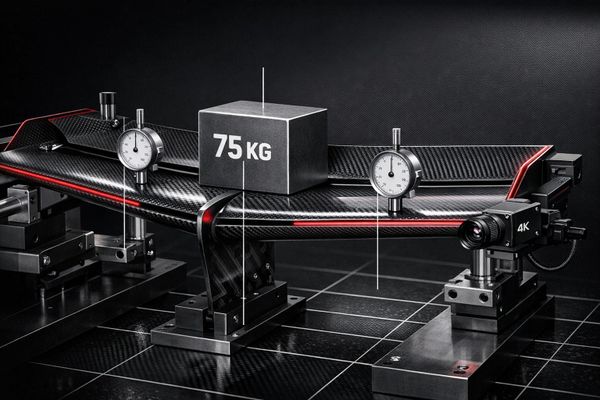
How FIA Tests Rear Wing Flexibility
How the FIA enforces rear wing rigidity: 75 kg static load tests, 4K on-track monitoring, tighter slot-gap limits and new 2025 technical directives.
How the FIA enforces rear wing rigidity: 75 kg static load tests, 4K on-track monitoring, tighter slot-gap limits and new 2025 technical directives.
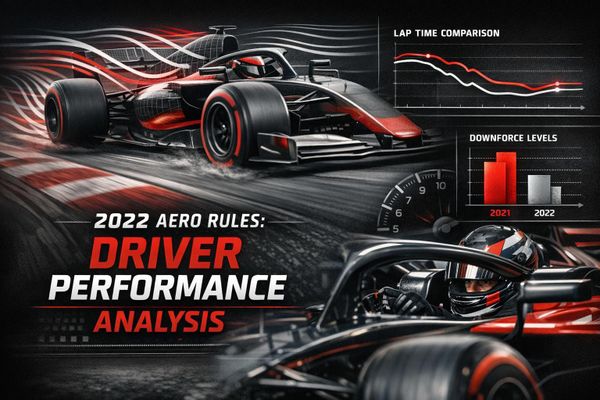
2022 aerodynamic rules reshaped F1: which teams adapted, how drivers adjusted to ground-effect cars, and why overtaking and setups changed the championship.
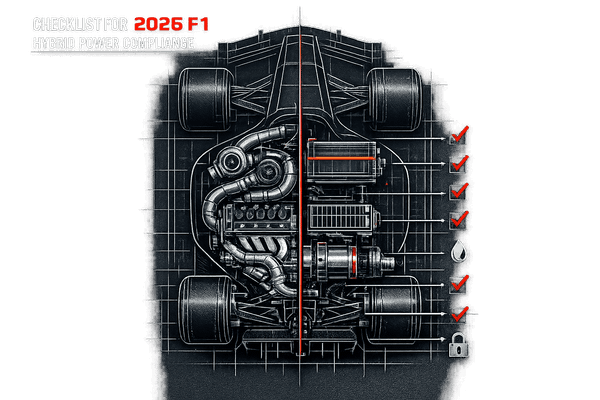
Checklist of 2026 F1 hybrid power rules: 50/50 ICE-electric split, 350 kW MGU-K, MGU-H removal, 100% sustainable fuels, reduced fuel flow, budget and homologation limits.
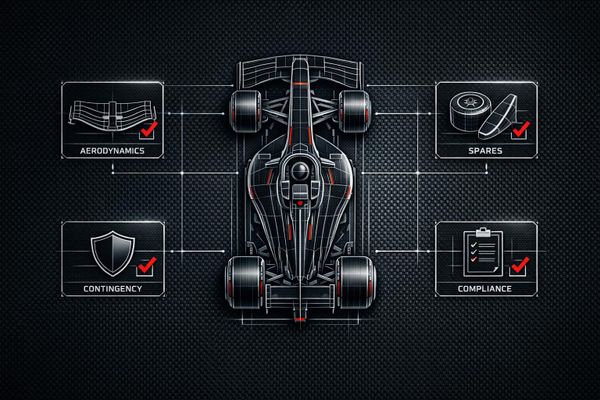
Practical checklist for allocating F1 resources under the 2026 budget cap—prioritize aero upgrades, power-unit efficiency, spares, contingencies, and FIA compliance.

Explore the 1950s rivalry that defined early Formula One—contrasting driving styles, decisive races, head-to-head stats, and lasting influence on the sport.

How blockchain transforms F1 media rights: transparent ownership, smart-contract payments, NFT ticketing, fan tokens and decentralized streaming.
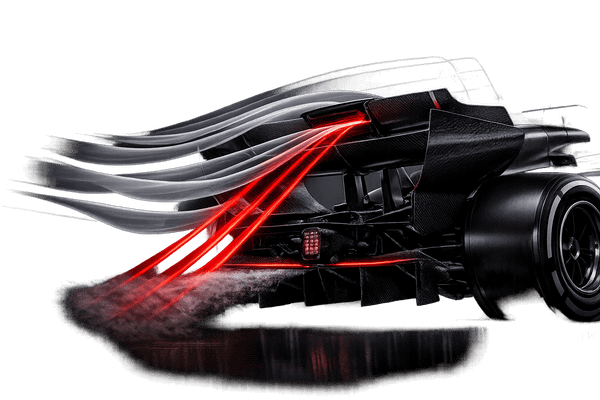
Explains how F1 rear and beam wings generate downforce, how DRS alters airflow (including beam-wing stall and Triple DRS), and what 2026 active aero changes.
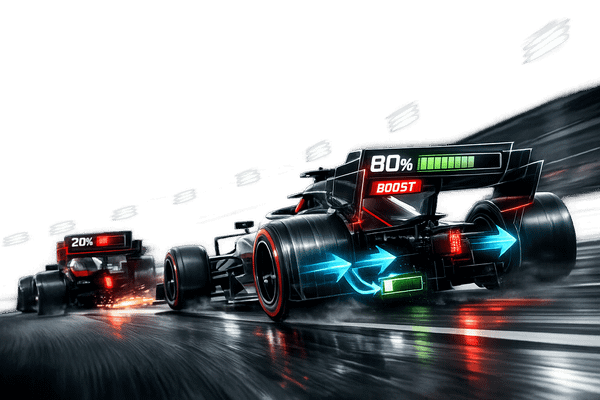
How ERS and Active Aero replace DRS in 2026, adding Boost and Overtake modes that force strategic battery management and change overtaking tactics.
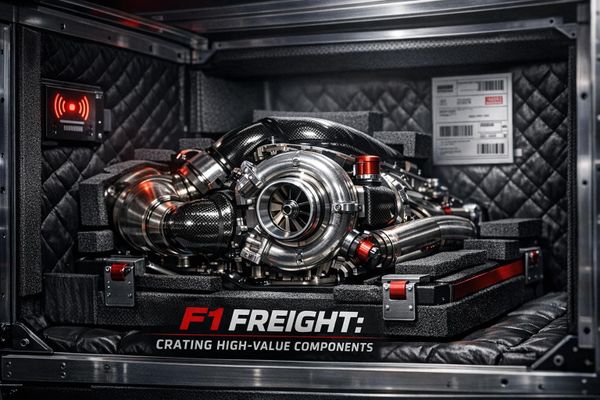
How F1 teams disassemble, crate and ship fragile car parts worldwide using climate-controlled containers, RFID tracking, and multimodal freight.

AWS machine-learning analysis of lap times normalizes car performance to rank the top 10 F1 drivers by raw qualifying speed across eras.
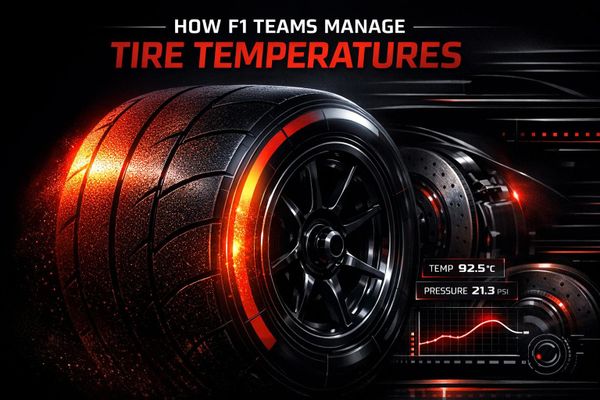
How teams use tire blankets, brake heat, driver techniques and real-time telemetry to keep F1 tires in the 90–110°C range for optimal grip and longevity.
Full-wet F1 tires are advanced but often sidelined by massive spray and a 6–7s pace deficit; Pirelli aims to cut spray and close the wet/intermediate gap by 2026.