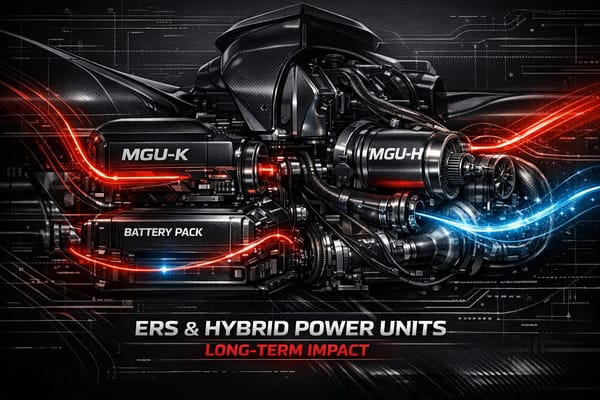
ERS and Hybrid Power Units: Long-Term Impact
Examines how F1’s ERS reshaped performance, efficiency and reliability — and how removing the MGU‑H and boosting MGU‑K under 2026 rules will change strategy.

Examines how F1’s ERS reshaped performance, efficiency and reliability — and how removing the MGU‑H and boosting MGU‑K under 2026 rules will change strategy.
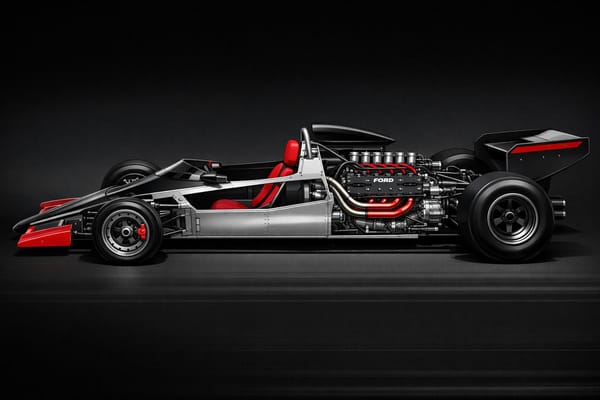
How 'simplify, then add lightness' transformed F1 — monocoque chassis, stressed-member engines and ground-effect aerodynamics that still shape modern car design.
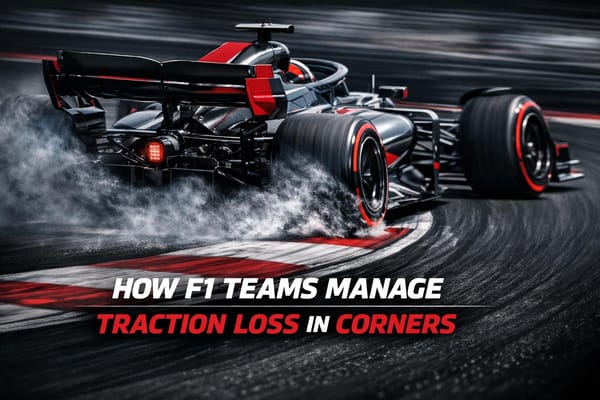
How F1 teams limit traction loss with throttle technique, suspension and differential tuning, aerodynamic balance and telemetry to improve corner exits.
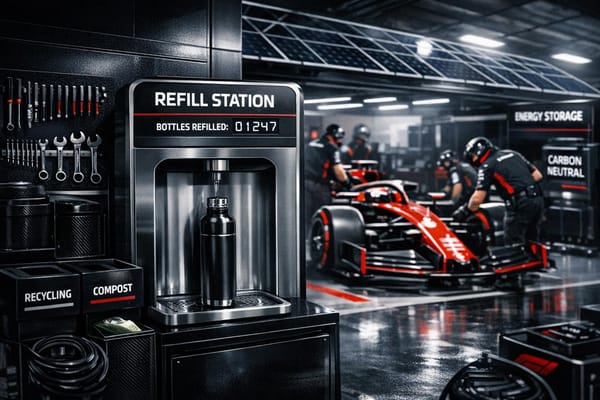
Seven F1 teams are eliminating single-use plastics with refill stations, circular manufacturing and renewable energy to support the sport’s net-zero goals.
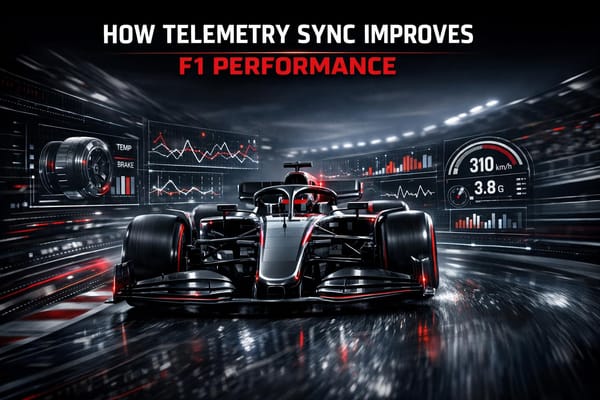
How synchronized telemetry from hundreds of sensors enables real-time decisions, strategy shifts, and measurable performance gains in Formula 1 races.
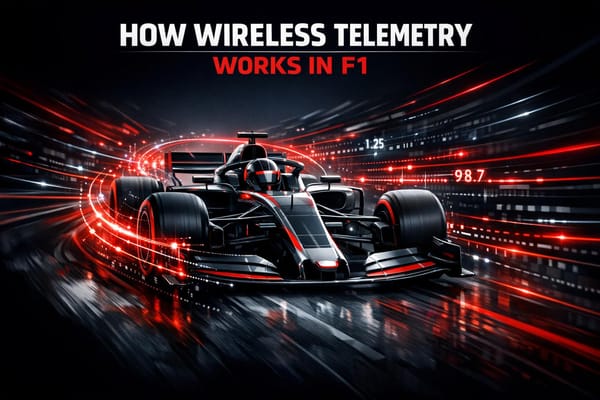
Explore how F1 teams collect, encrypt, and stream real-time car data from hundreds of sensors—covering transmission, security, challenges, and future tech like 5G and AI.
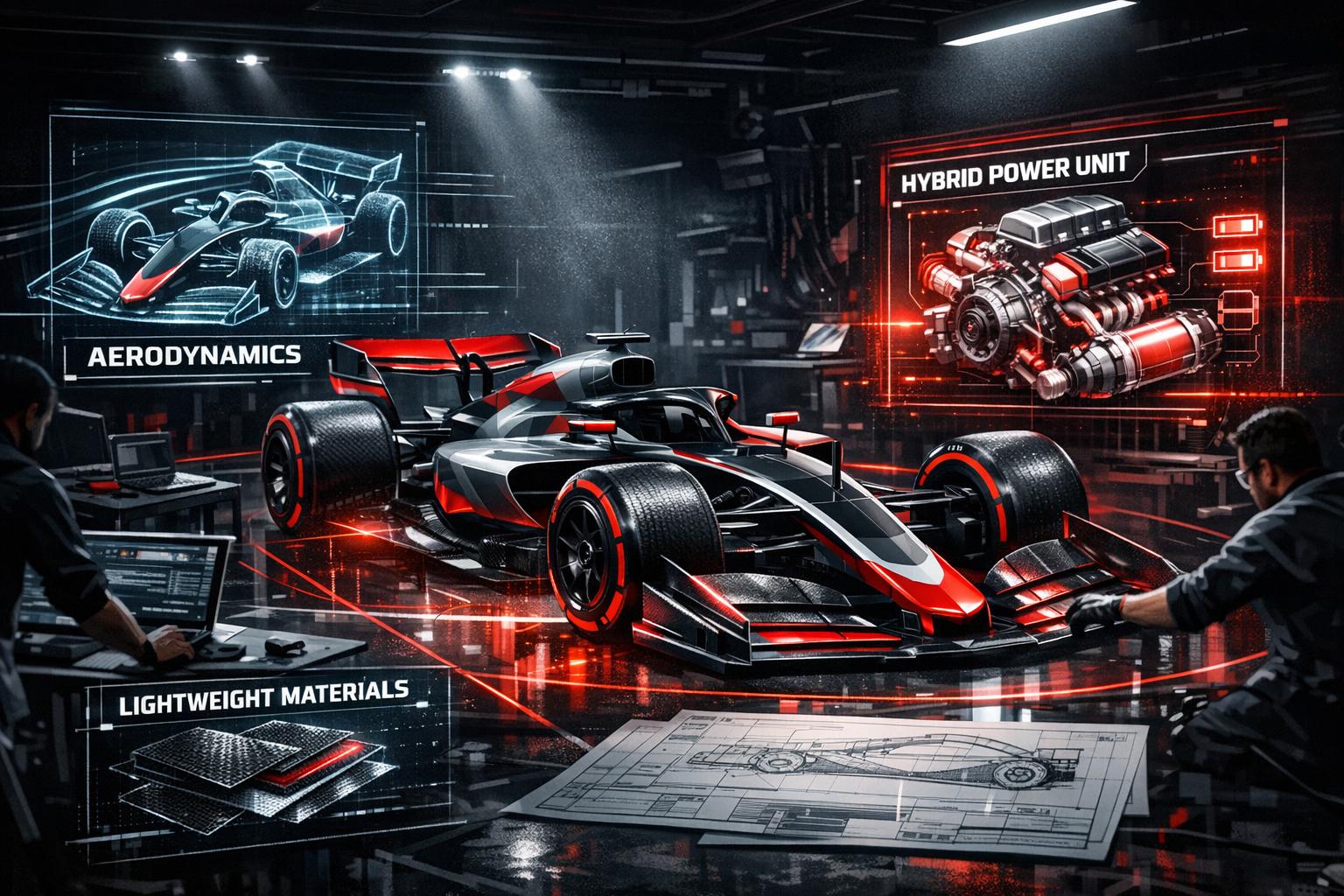
How 2026 F1 rule changes — active aerodynamics, hybrid power overhaul, sustainable fuels and lighter cars — force teams to redesign, strategize and adapt.
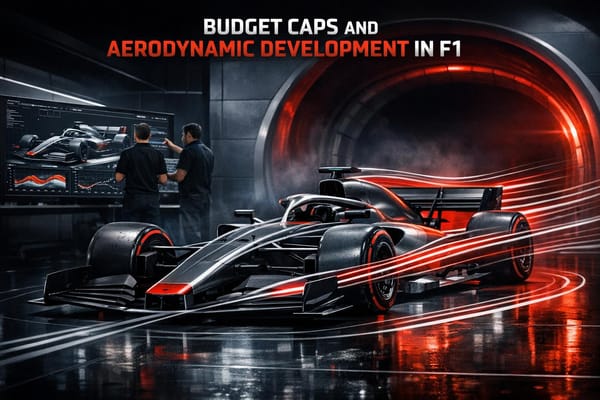
Budget caps and ATR forced F1 teams to shift from spending to engineering efficiency, prioritizing high-impact aero upgrades, advanced CFD and 2026 prep.

How Drive to Survive grew F1's audience while dramatizing and sometimes fabricating rivalries, prompting driver criticism and demands for accuracy.
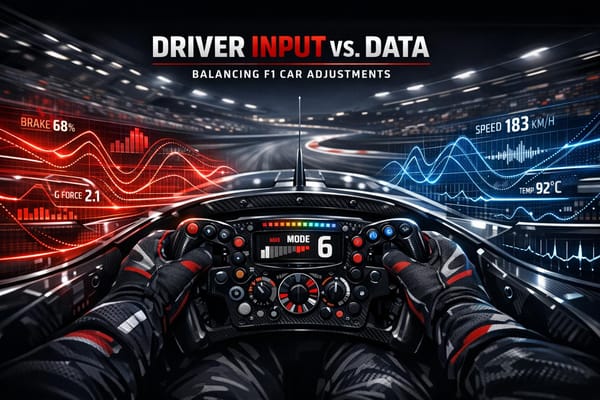
How top F1 teams blend driver feel with telemetry to refine setups, diagnose handling issues, and maximize on-track performance.
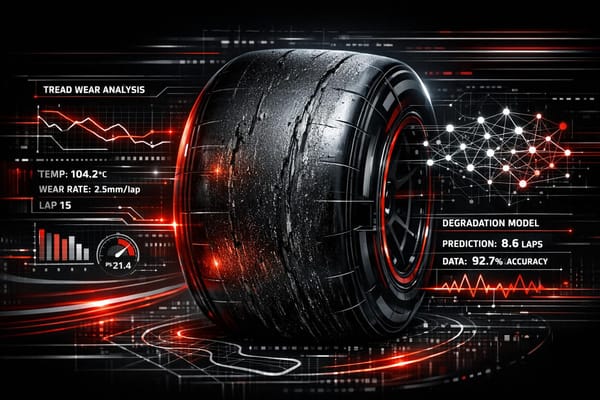
How F1 teams use telemetry and ML (XGBoost, neural nets, Bayesian) to forecast tire wear, guide pit stops, and improve race strategy.
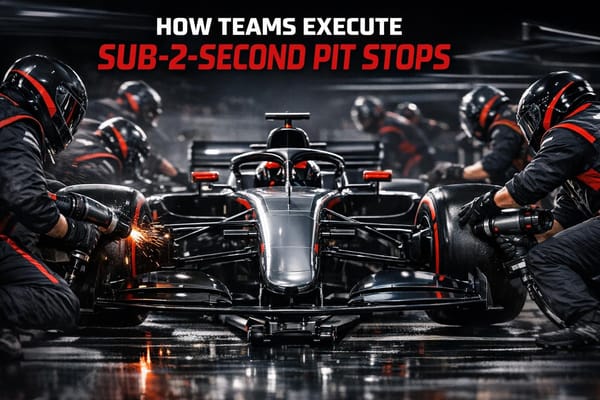
Inside the choreography, tools, and training behind sub-2-second F1 pit stops: crew roles, laser parking, pneumatic guns, jacks, and relentless practice.