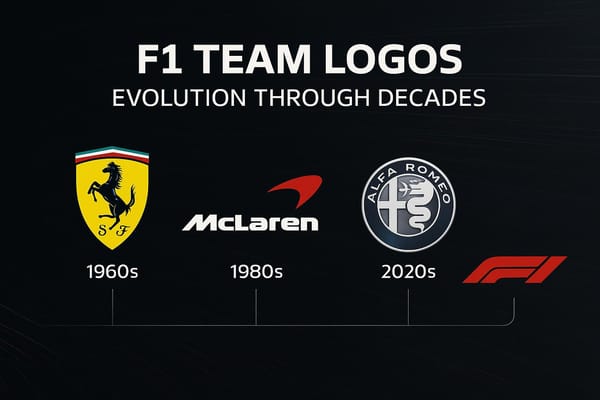
F1 Team Logos: Evolution Through Decades
A concise history of how F1 team logos evolved from simple mid-century marks to minimalist, digital-first designs that balance heritage and modern branding.

A concise history of how F1 team logos evolved from simple mid-century marks to minimalist, digital-first designs that balance heritage and modern branding.
F1 drivers use visualization, mindfulness, neurofeedback and simulators to stay focused, recover quickly, and make split-second decisions.

A WWII wooden hut turned Tyrrell Racing’s 20×69 ft workshop where championship F1 cars were built and later preserved at Goodwood.

Explore how additive manufacturing is revolutionizing cooling systems in Formula 1, enhancing performance through innovative materials and designs.
Explore how AI is revolutionizing race strategies in Formula One, enhancing decision-making and performance with advanced simulations.

Explore how Formula 1 teams leverage real-time tire data and advanced analytics to shape race strategies and enhance performance.
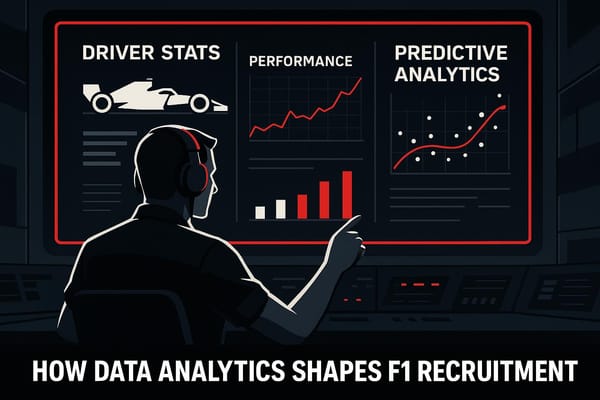
Explore how data analytics is revolutionizing recruitment in Formula 1, enhancing talent selection and team performance across the sport.
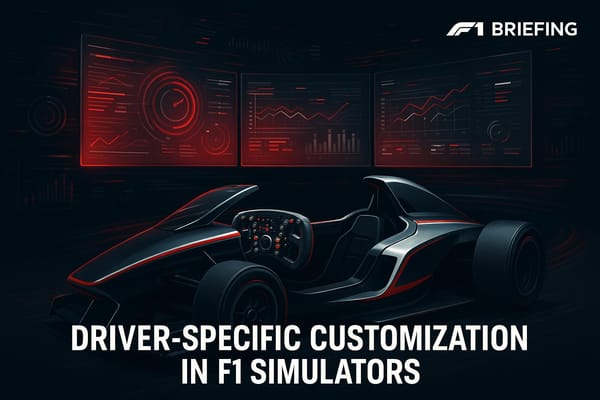
Explore the evolution of F1 simulators, highlighting the differences between professional and consumer options, and their impact on driver performance.
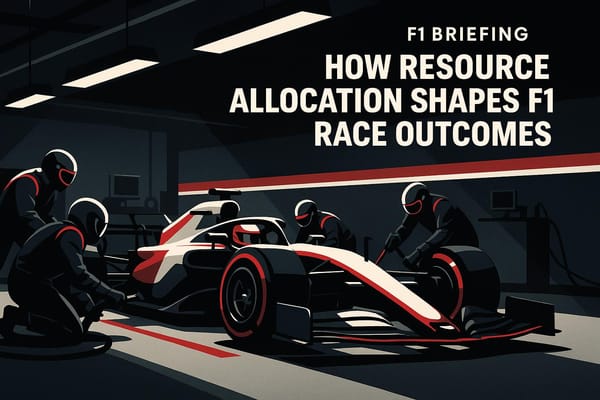
Resource allocation in F1 is crucial for success, balancing budgets, technical limits, and personnel strategies to enhance competitiveness.
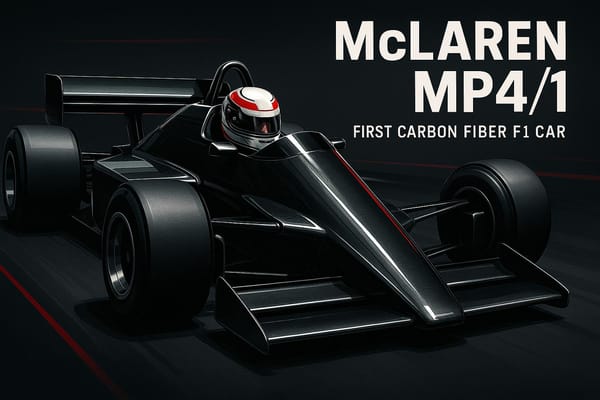
The MP4/1 revolutionized Formula 1 with its carbon fiber chassis, enhancing performance and safety standards in the sport and beyond.
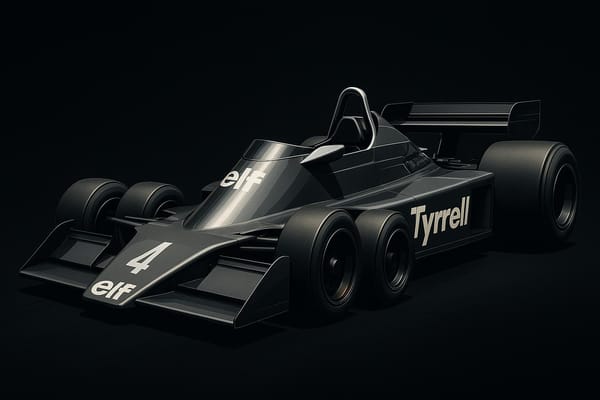
Explore the groundbreaking design and legacy of the only six-wheeled Formula One car, the Tyrrell P34, and its impact on motorsport innovation.
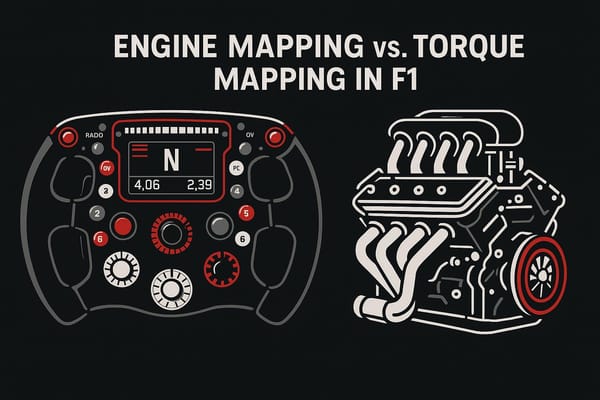
Explore the critical roles of engine mapping and torque mapping in optimizing Formula 1 car performance under varying conditions.