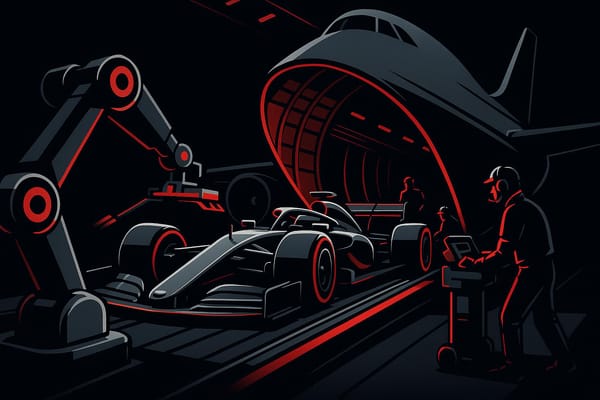
5 Ways F1 Teams Save Time in Logistics
Formula 1 teams utilize advanced logistics strategies to efficiently transport equipment worldwide, ensuring seamless operations during race weekends.

Formula 1 teams utilize advanced logistics strategies to efficiently transport equipment worldwide, ensuring seamless operations during race weekends.

Explore the impact of stress and fatigue on F1 teams, revealing how they manage these challenges for optimal performance during races.
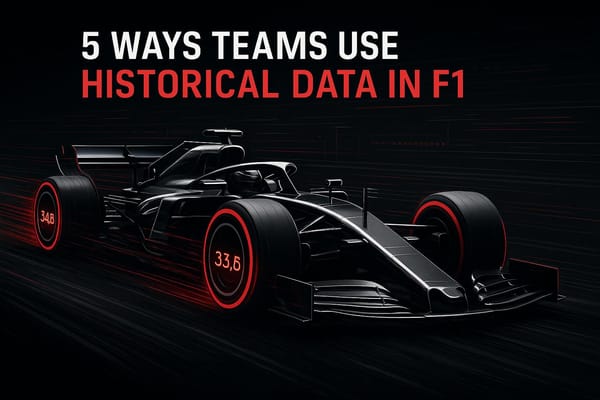
Explore how Formula 1 teams leverage historical data to enhance performance, strategize races, and outsmart competitors for success.
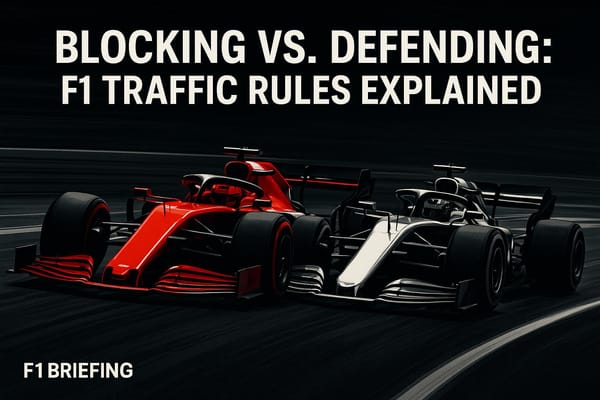
Explore the crucial differences between blocking and defending tactics in Formula 1, including rules, risks, and their impact on race strategy.
Qualifying positions significantly predict race results in Formula 1, but race-day strategies and unpredictable factors can disrupt this correlation.
Explore the changing dynamics of competitive balance in Formula One, examining how eras of dominance and regulation shifts shape the sport.
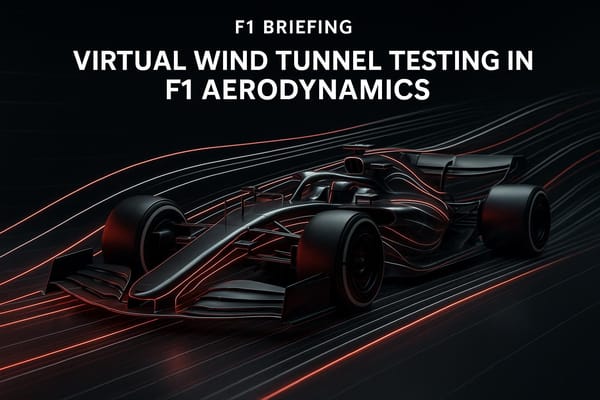
Explore how virtual wind tunnel testing using CFD is revolutionizing Formula 1 car design, enhancing performance while reducing costs.
Explore how innovative engineering and a focus on lightweight design transformed Formula One, setting new standards in motorsport.

Explore the evolution of ground effect in Formula One from 2022 to 2025, its impact on car performance, and the upcoming regulatory changes for 2026.
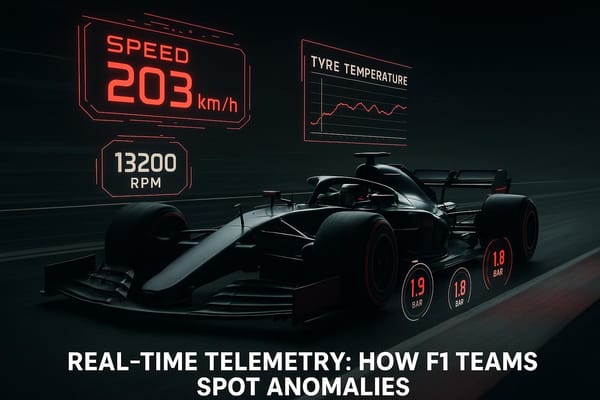
Explore how real-time telemetry revolutionizes F1 racing, enabling teams to optimize performance and prevent failures with advanced data analysis.
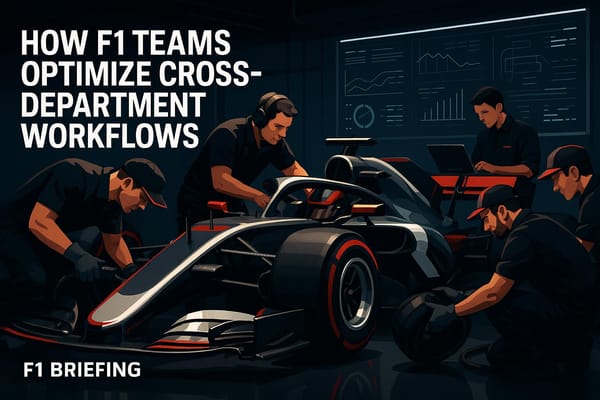
Explore how Formula 1 teams enhance collaboration across departments, leveraging communication, shared goals, and advanced technology for peak performance.
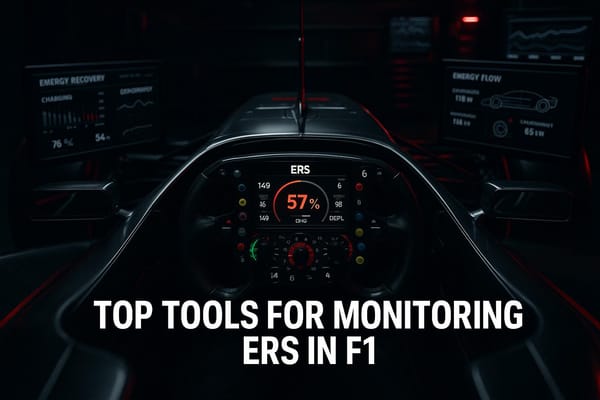
Explore the top tools for monitoring Energy Recovery Systems in Formula One, enhancing race strategies through real-time data and predictive analytics.