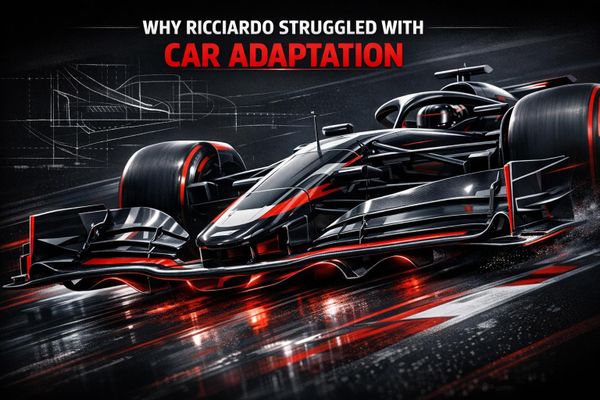
Why Ricciardo Struggled with Car Adaptation
Why Ricciardo failed to sync with McLaren's cars: driving-style mismatch, limited testing, ground-effect rules and setup limits that cost lap time.
Why Ricciardo failed to sync with McLaren's cars: driving-style mismatch, limited testing, ground-effect rules and setup limits that cost lap time.
Move into F1: match transferable skills, tailor your resume, gain motorsport experience, network, and prepare for interviews.
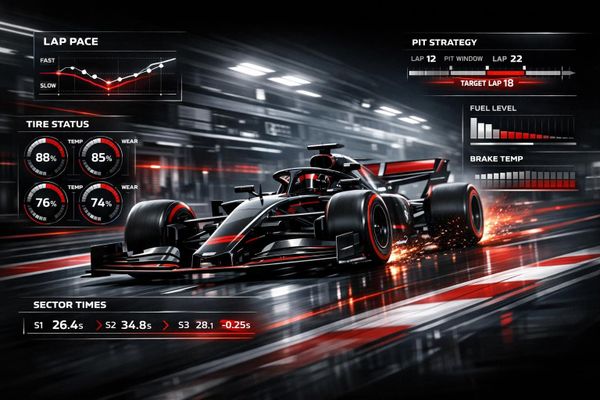
How top F1 teams use real-time telemetry, AI and cloud simulations to optimize pit timing, tire strategy and lap pace within split-second decision windows.
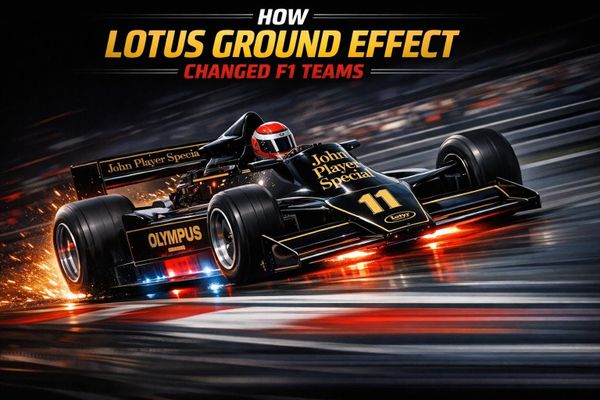
Venturi tunnels and sliding skirts revolutionized F1 aerodynamics, forcing rivals to overhaul chassis, suspension and cooling from 1977 to 1981.
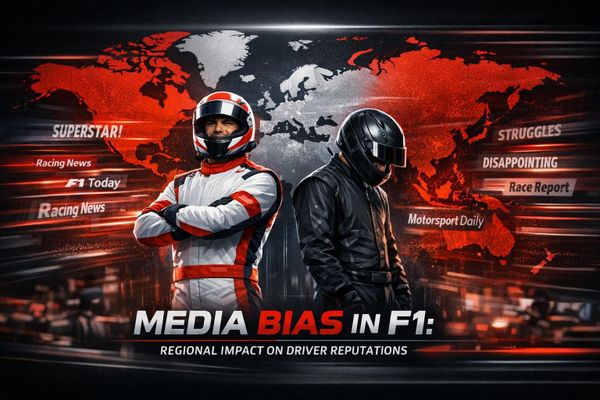
Regional F1 media shape driver reputations—domestic broadcasters favor home drivers, skewing global narratives and sponsorships in a 'wrong passport' effect.
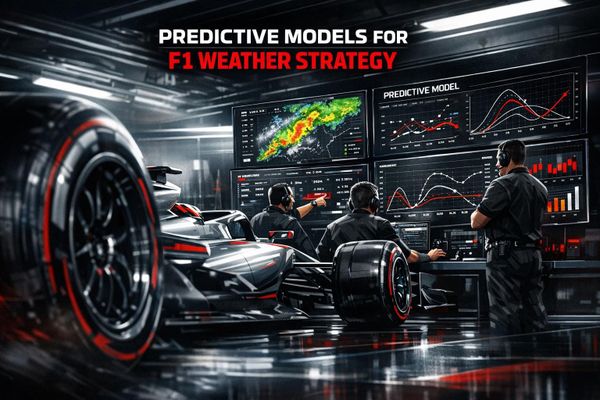
How F1 teams combine hyper-local weather radar, real-time telemetry and ML models to predict tire degradation, optimize pit timing and manage race risk.
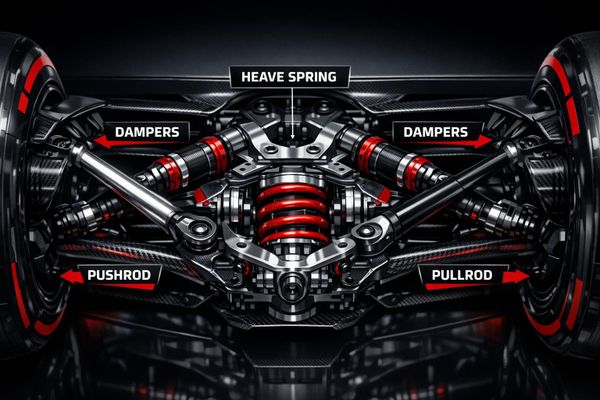
How F1 teams use suspension (pushrod/pullrod, heave springs, dampers) to control static and dynamic ride height, maximize downforce and limit plank wear.
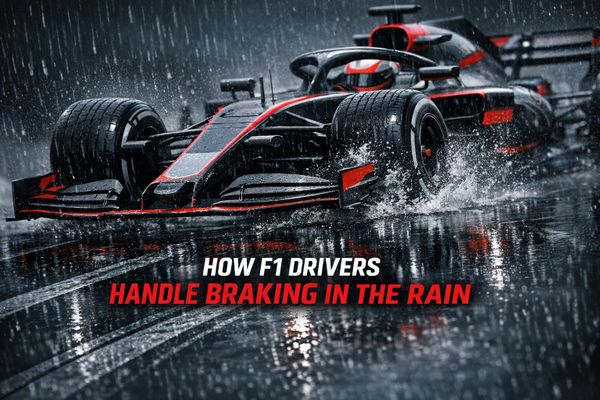
F1 drivers brake earlier off the racing line, modulate pedal pressure, avoid trail braking, follow tire tracks and use trackside cues to avoid aquaplaning.
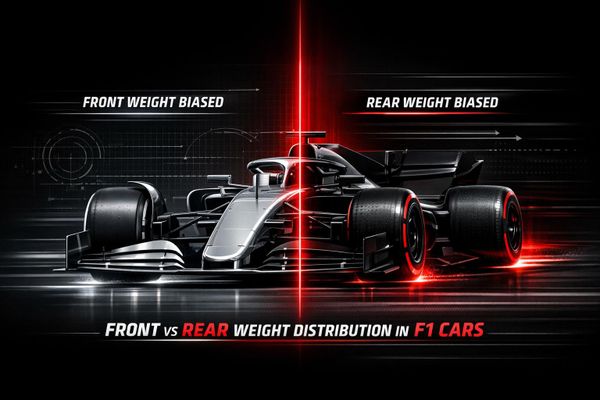
Front- vs rear-biased weight dramatically changes F1 handling: trade-offs in braking, cornering and acceleration, ballast tuning, and track-specific setup choices.
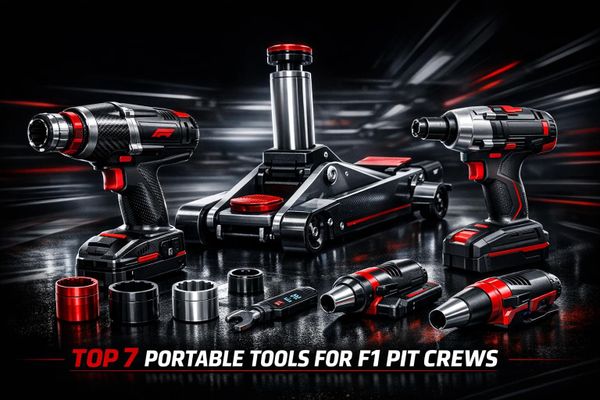
Overview of seven portable F1 pit tools — wheel guns, jacks, cordless drivers, blowers and custom sockets — focused on speed, precision, and reliability.
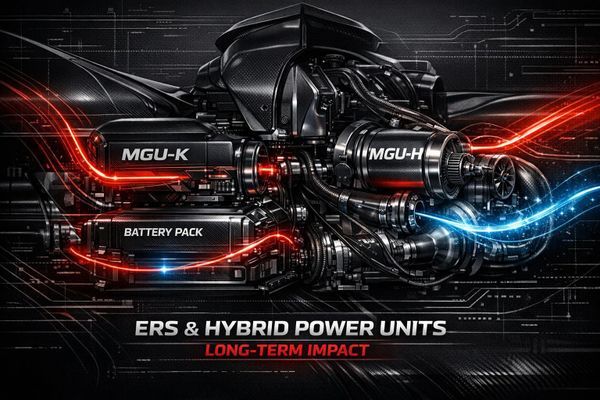
Examines how F1’s ERS reshaped performance, efficiency and reliability — and how removing the MGU‑H and boosting MGU‑K under 2026 rules will change strategy.
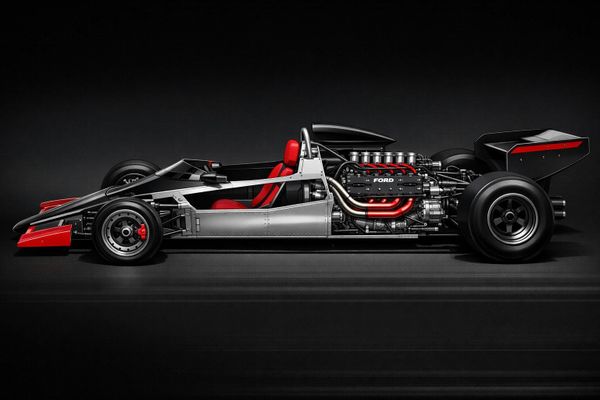
How 'simplify, then add lightness' transformed F1 — monocoque chassis, stressed-member engines and ground-effect aerodynamics that still shape modern car design.