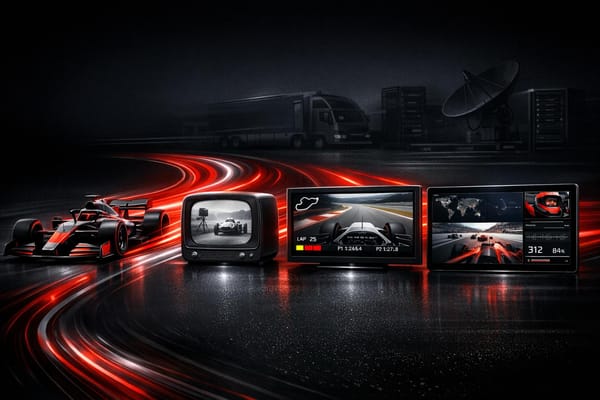
How F1 TV Coverage Evolved Over Decades
From 1950s broadcasts to F1 TV Pro and AI-driven remote production, how F1's coverage became interactive, data-rich, and global.

From 1950s broadcasts to F1 TV Pro and AI-driven remote production, how F1's coverage became interactive, data-rich, and global.
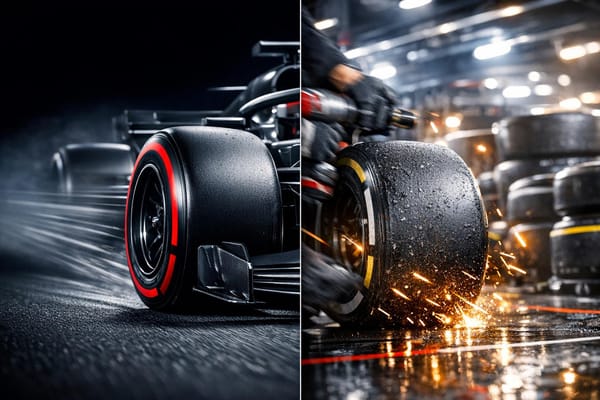
Qualifying demands razor-thin tire precision for a single fast lap; race day rewards durability, pit timing, and adaptable compound strategies.
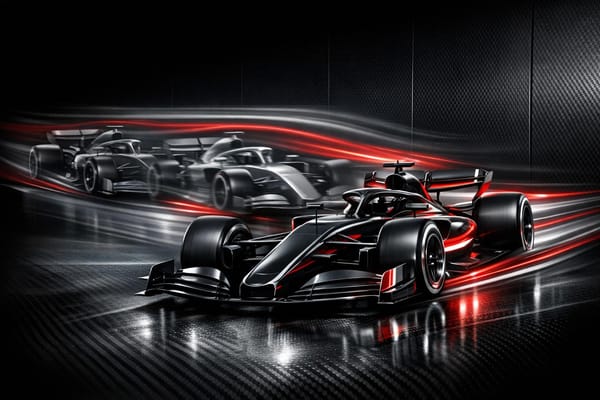
F1's 2026 rules reshape car design: lower weight, less drag, 50/50 combustion-electric power, 100% sustainable fuel, active aero, and higher budget caps.
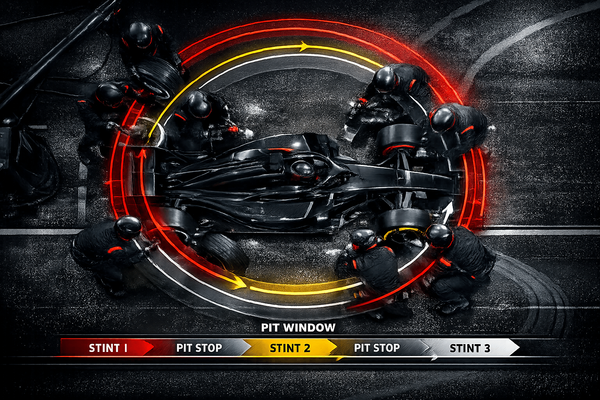
Discover the secrets of F1 tire strategy and pit tactics that shape every race. Learn how teams make split-second decisions for victory.
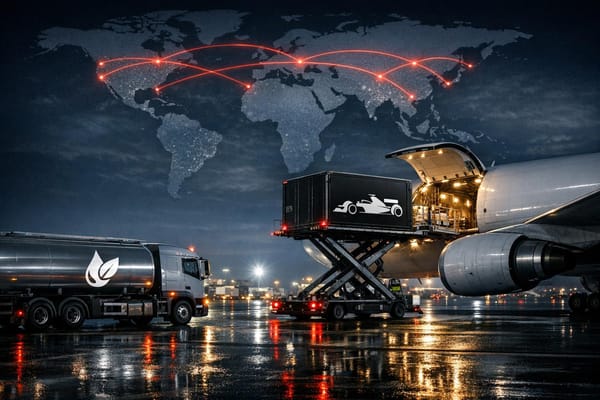
How Formula 1 used Sustainable Aviation Fuel and book-and-claim to cut air freight emissions 19% in 2024 (8,000+ tCO2e) while advancing Net Zero goals.
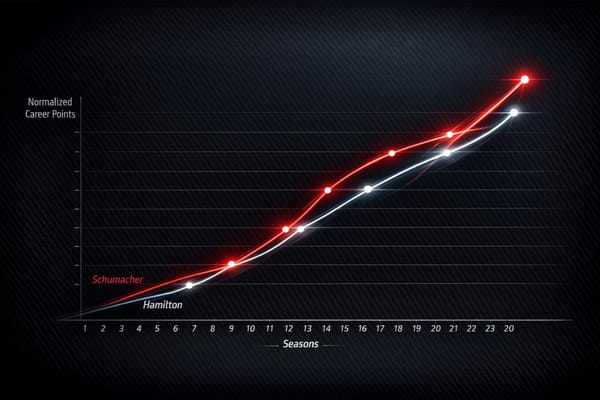
A data-led comparison of Hamilton and Schumacher career points, adjusted for scoring systems, race calendars and peak-season dominance.
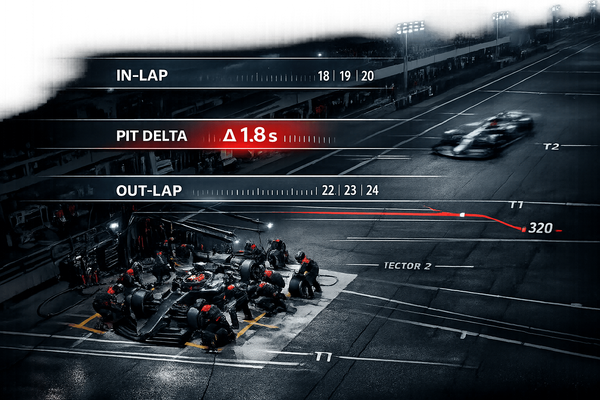
How pit-stop delta time shapes undercut/overcut choices, Safety Car tactics, and circuit-specific strategy using telemetry and simulations.
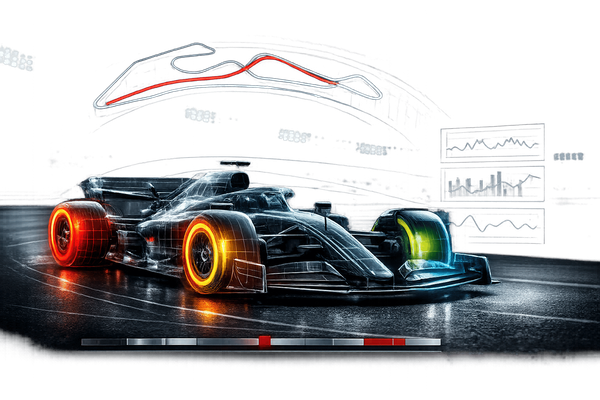
Teams convert millions of sensor readings into digital twins and real-time race simulations, using AI to predict tire wear, prevent failures, and optimize pit strategy.
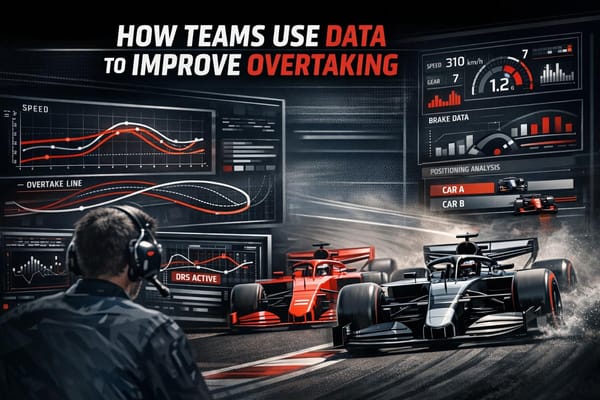
Data and AI now shape every overtake in Formula 1, using telemetry, simulations and tire metrics to time DRS/ERS, pit stops and energy deployment.
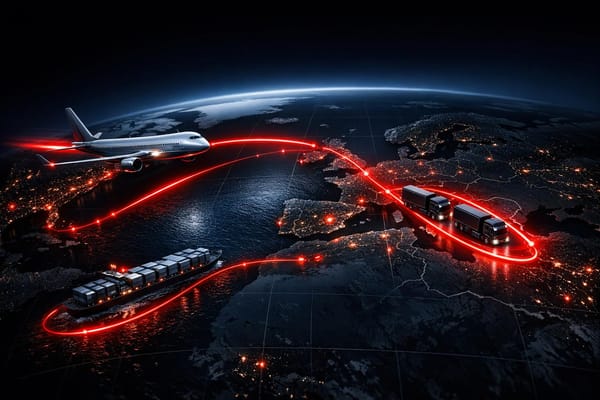
How Formula 1 teams move 50 tons per race using chartered air cargo for critical kit, rotating sea freight for bulky items, and truck convoys in Europe.
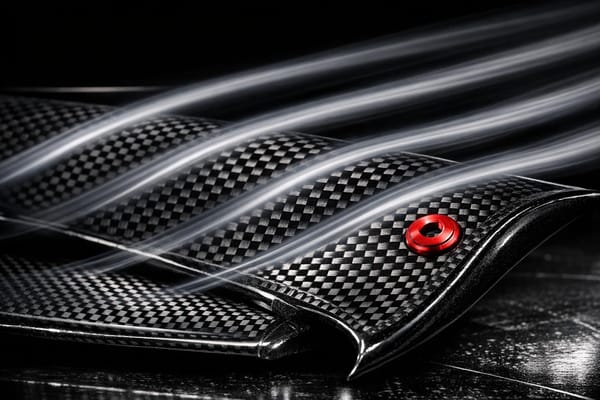
F1 teams use carbon-fiber composites, tailored layups and precision manufacturing to improve aerodynamic stability, cut weight, and control porpoising.
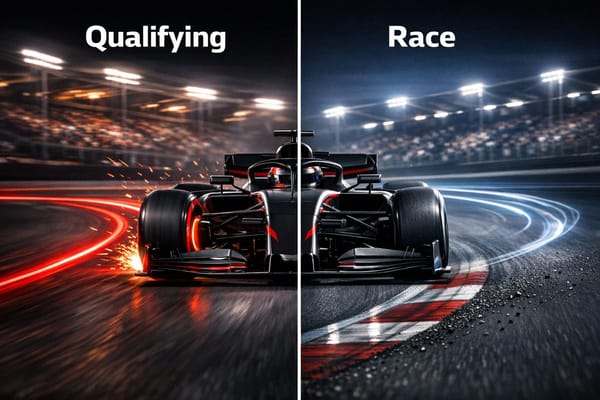
How F1 qualifying and race trims differ—fuel, aerodynamics, tires—and how drivers change braking, cornering and energy management across a race weekend.
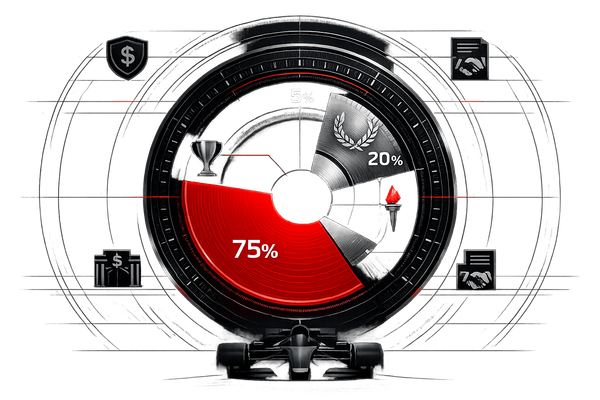
Explains how F1 divides its ~$1.6B prize pool—75% performance, 20% historic, 5% heritage—and how the cost cap, anti-dilution fee and Concorde Agreements affect teams.
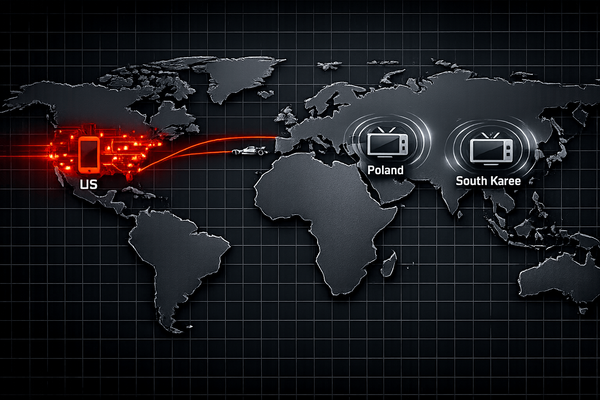
TV still leads F1 viewing, but streaming is surging—Gen Z and U.S. fans drive digital growth while Poland and South Korea remain TV-first.
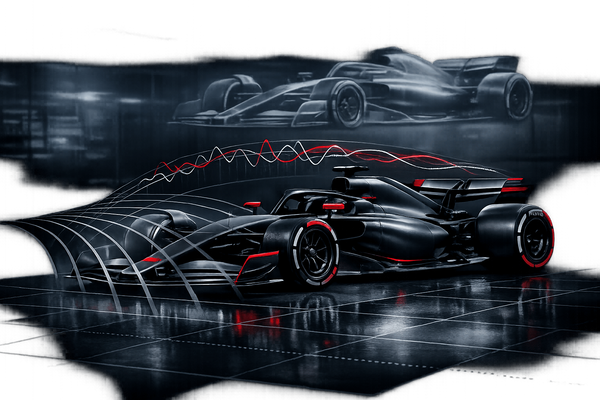
F1 teams use telemetry, ML and billions of simulations to forecast driver and engineering skills, reduce testing costs, and prepare for regulatory change.
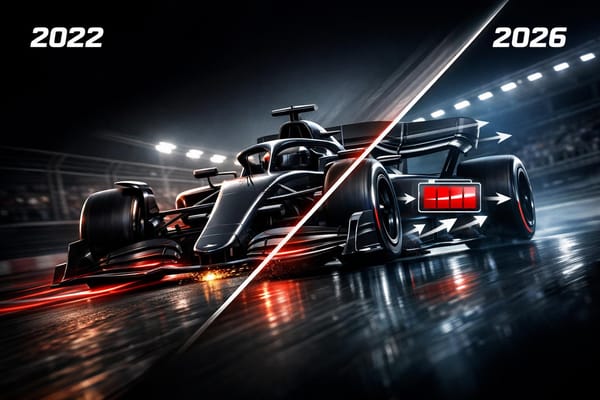
How F1 rule changes from 2022 to 2026 shift driving demands from underbody aero handling to active aero, battery management, and strategic energy use.
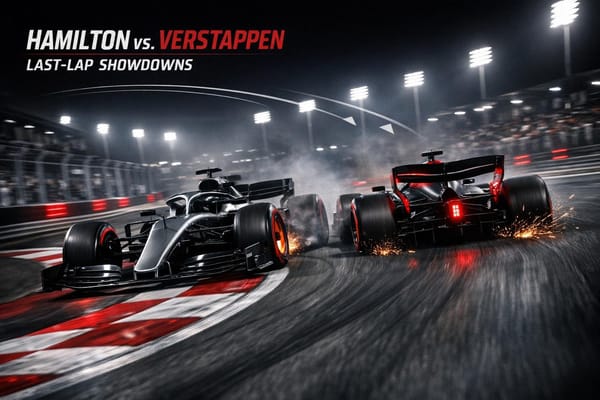
Analyze last-lap F1 tactics, tire management, cornering, DRS and pressure handling to see how contrasting styles decide races like Bahrain and Abu Dhabi.
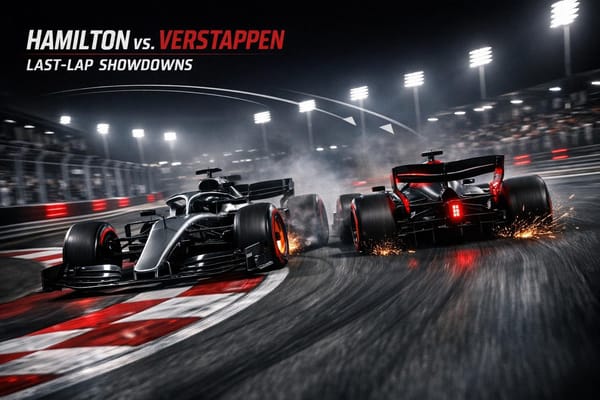
Analyze last-lap F1 tactics, tire management, cornering, DRS and pressure handling to see how contrasting styles decide races like Bahrain and Abu Dhabi.
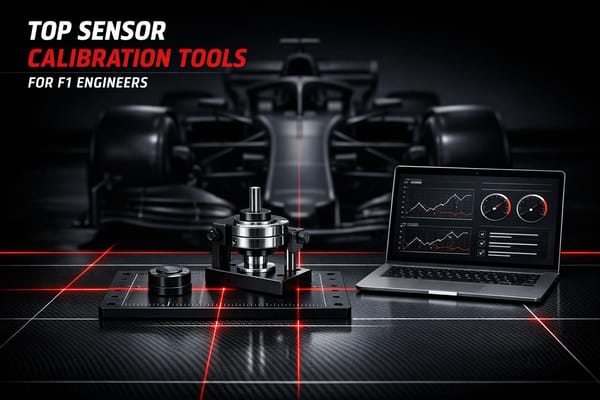
Compare top F1 sensor calibration tools—hardware and software evaluated for accuracy, speed, and FIA compliance across knock, force/torque and telemetry sensors.
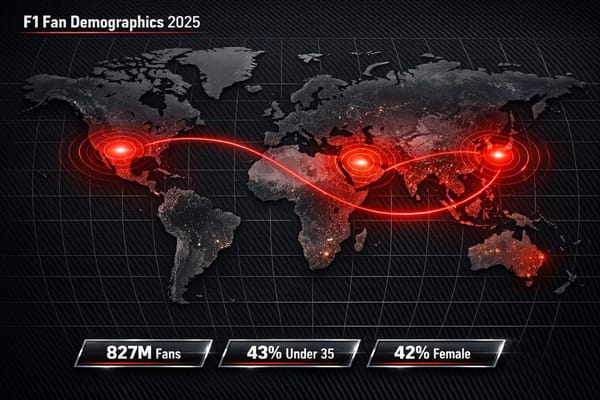
F1's fanbase transformed: 827M fans in 2025, 43% under 35, 42% female, with rapid growth in the U.S., Saudi Arabia and Asia-Pacific.
Car performance, reliability, upgrades and team consistency drive F1 Constructors' titles and determine prize-money outcomes.
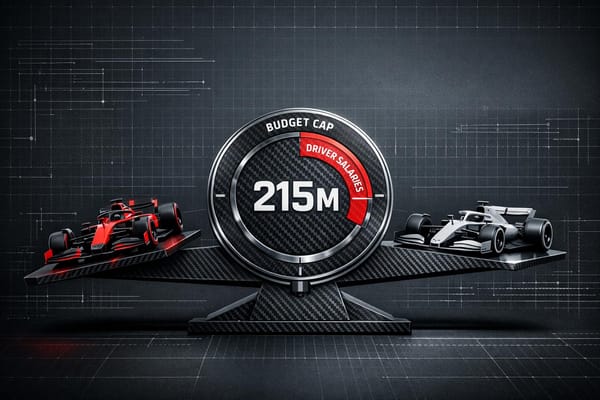
Explores including driver salaries in F1's $215M cost cap, a proposed $30–$50M allowance, and the impact on competitive balance between large and small teams.
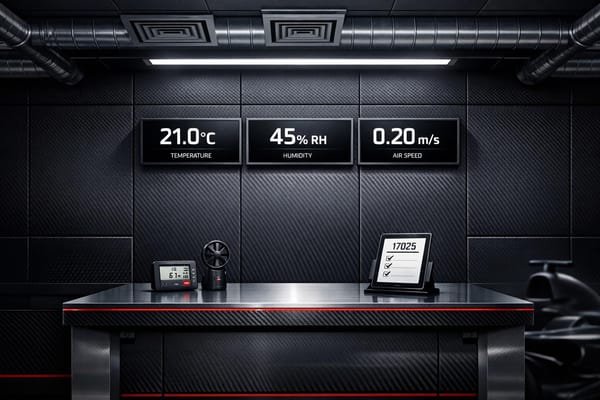
Guide to stabilizing temperature, humidity and airflow for accurate calibration—tools, monitoring, ISO/IEC 17025 requirements, and common fixes.
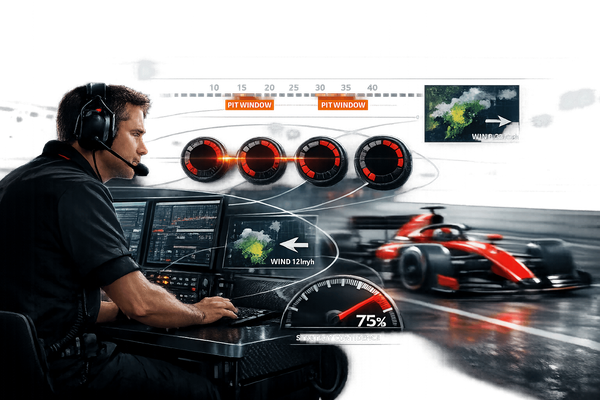
F1 races are won by strategists who blend millions of simulations, live telemetry, AI, and driver intuition to make split‑second pit and tire calls.