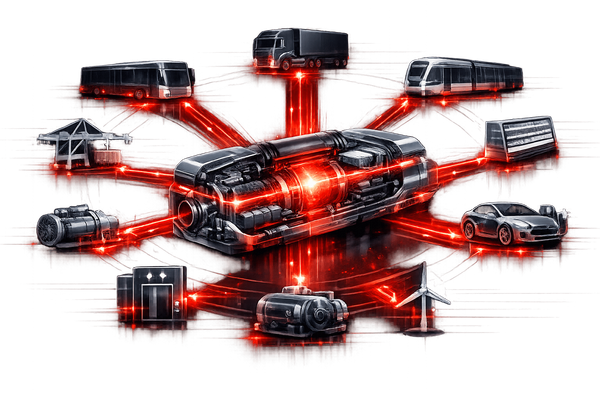
9 F1 Energy Recovery Techs Used in Other Industries
Nine F1-derived energy-recovery technologies adapted for buses, trucks, retail refrigeration, EVs and wind to boost efficiency and cut emissions.

Nine F1-derived energy-recovery technologies adapted for buses, trucks, retail refrigeration, EVs and wind to boost efficiency and cut emissions.
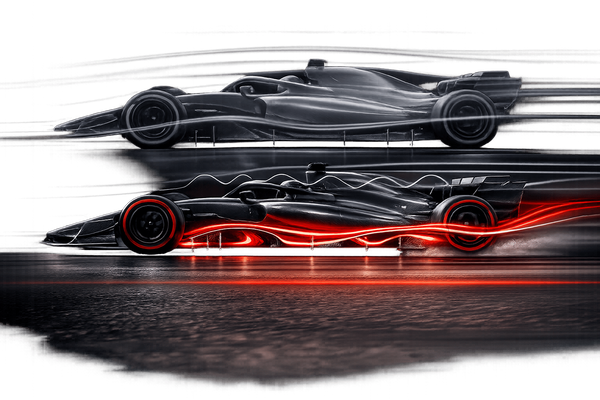
Virtual CFD and wind-tunnel tools drive F1 ground-effect design, but they can't fully predict on-track dynamics like porpoising and ride‑height sensitivity.
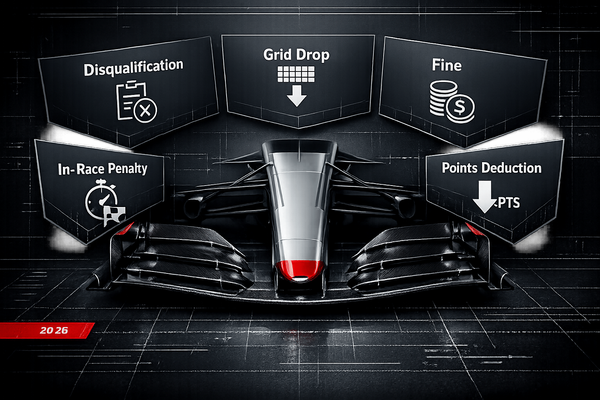
A concise guide to the five most consequential aerodynamic penalties in F1—disqualification, grid drops, fines, in-race sanctions, and points deductions, plus 2026 rule context.
Story-driven coverage transformed a niche motorsport into a global, youthful entertainment phenomenon.
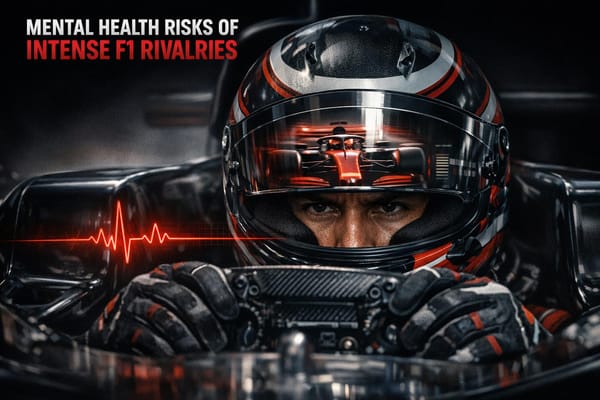
How intense F1 rivalries amplify physical stress, anxiety and burnout in drivers - and why standardized team and regulatory mental health support is essential.
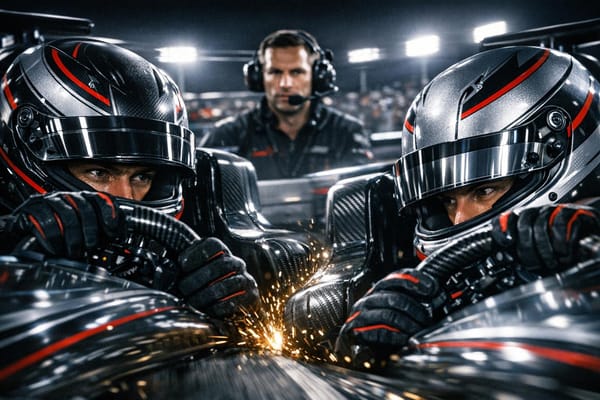
How intra-team rivalries shape F1 titles — risks, rewards and management lessons from historic clashes to McLaren's Papaya Rules.
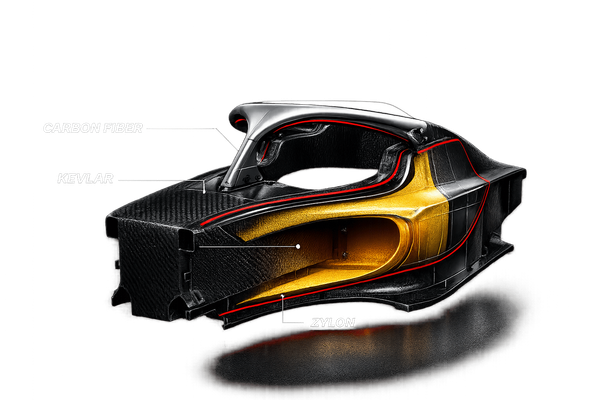
Carbon fiber monocoques transformed F1 safety—lightweight, stronger survival cells with Kevlar/Zylon layers and HALO integration, proven in high-speed crashes.
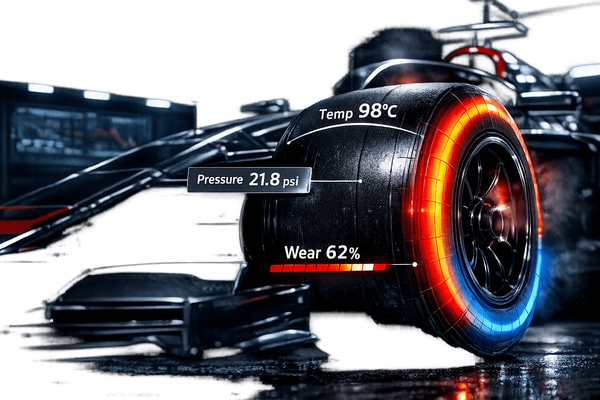
Explains how TPMS and infrared sensors give F1 teams live pressure, temperature, and wear data to guide pit stops and car setup.
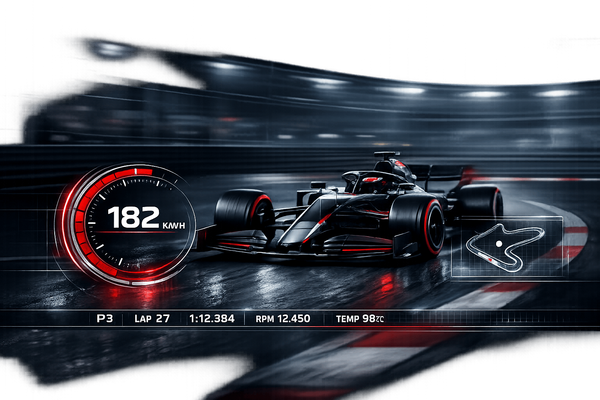
How AR and centralized broadcast tech reshape F1: real-time overlays, 3D virtual studios, onboard cameras and the Apple Vision Pro viewing future.
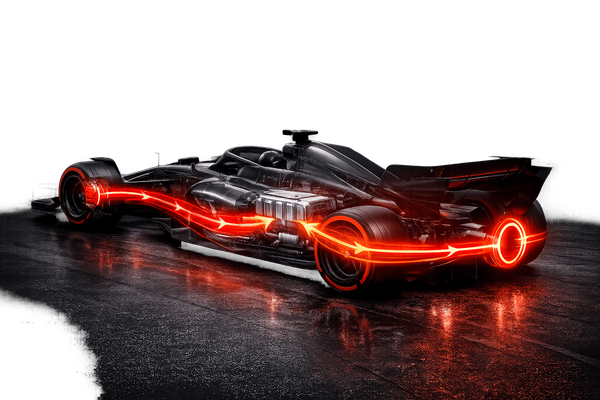
How F1's ERS captures braking and exhaust energy to boost power, shape race strategy and manage fuel and tyre wear — plus the 2026 electrification shift.
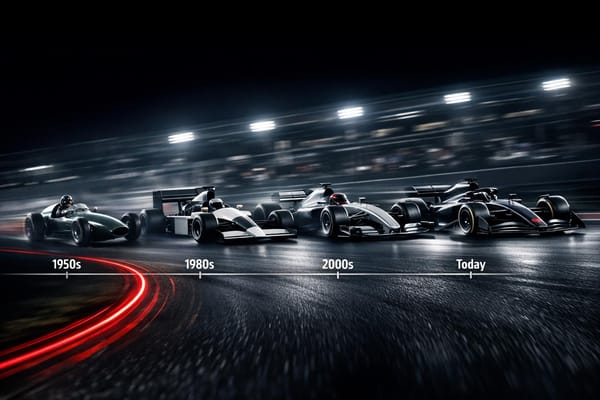
How F1 constructors changed from the 1950s to today — technical revolutions, financial pressures, manufacturer takeovers, and the stabilizing effect of the budget cap.
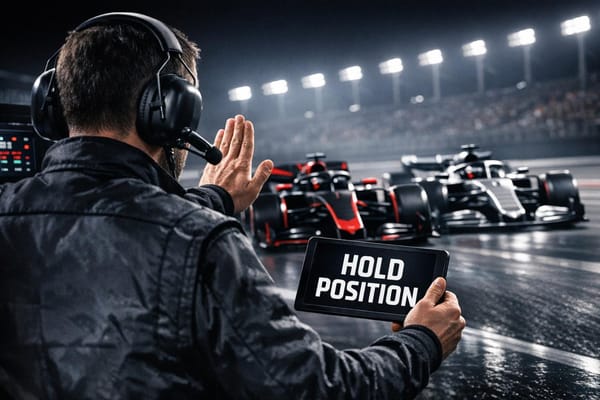
Eight pivotal F1 team orders that reshaped championships, driver rivalries, and team strategy — from Williams and Ferrari to McLaren and Mercedes.