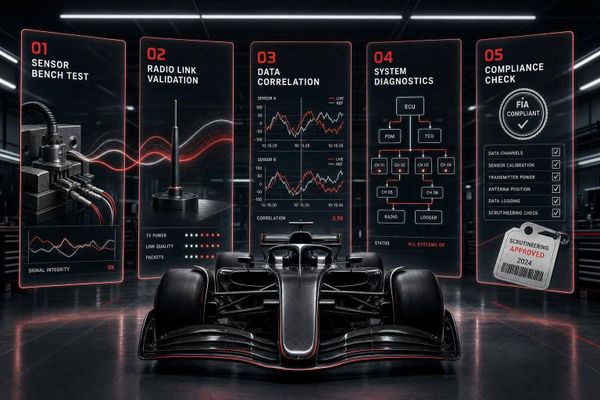
How F1 Teams Test Telemetry Systems
Breaks down the five-stage workflow F1 teams use to bench-test sensors, validate radio links, correlate data, and ensure FIA compliance.
Breaks down the five-stage workflow F1 teams use to bench-test sensors, validate radio links, correlate data, and ensure FIA compliance.
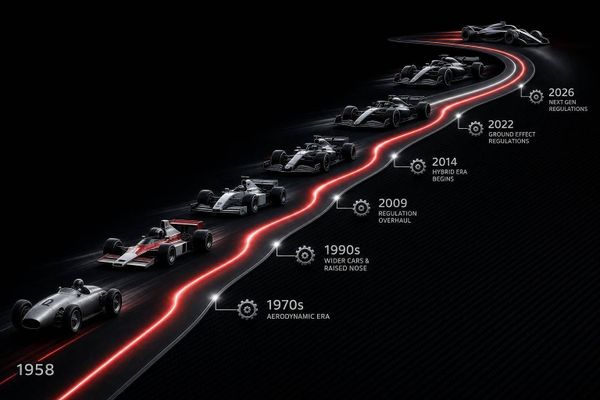
How rule changes, technical edges and two-car scoring shaped F1 constructors' dominance from 1958 to 2026.
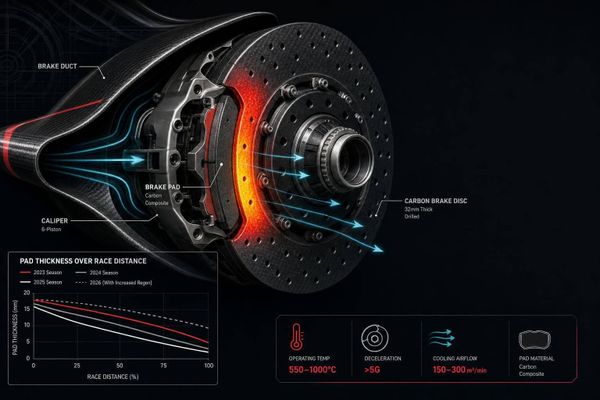
F1 brake pad life, cooling trade-offs, circuit impacts since 2022, and 2026 regen effects on wear.
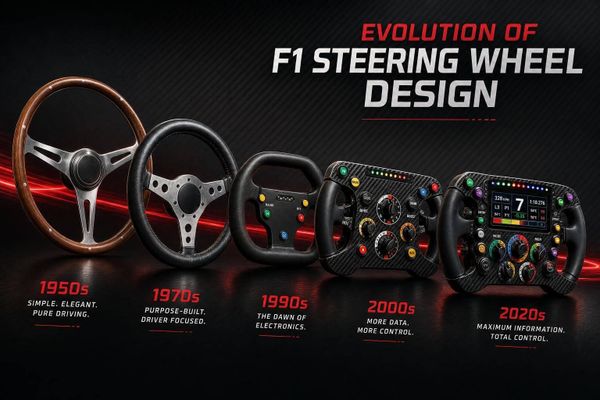
How F1 steering wheels evolved from large wooden rims to carbon-fiber control hubs with paddles, displays, rotaries, and software controls.
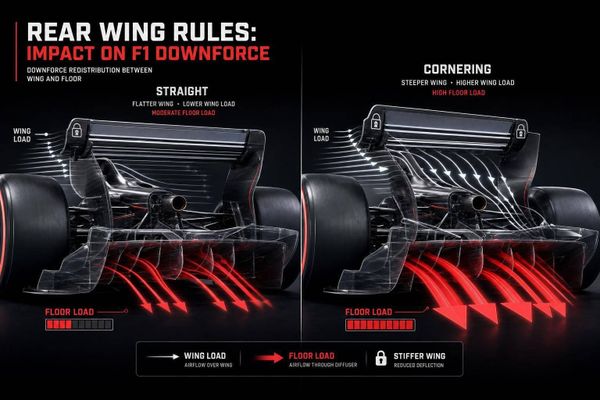
2026 F1 rear-wing rules don't remove downforce — they cut wing load, shift it to the floor, force active‑aero mode switching, and tighten flex limits.
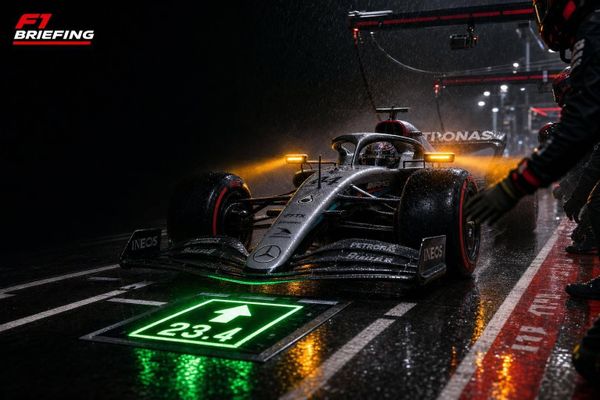
Mirror-mounted lateral lights and digital pit-box displays improve visibility and cut unsafe pit releases in low-visibility conditions.
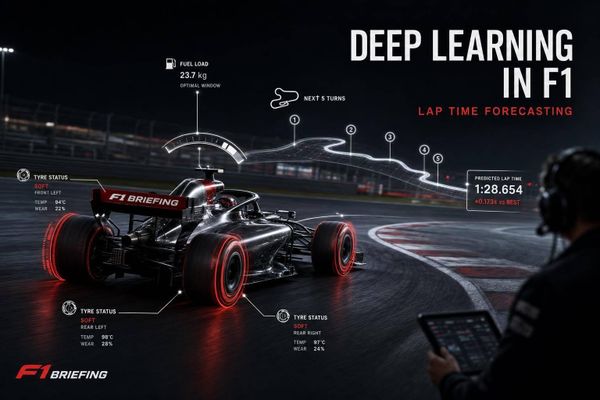
Deep learning improves F1 lap forecasts most when models use tire, fuel, and track context—rare events still need engineers.
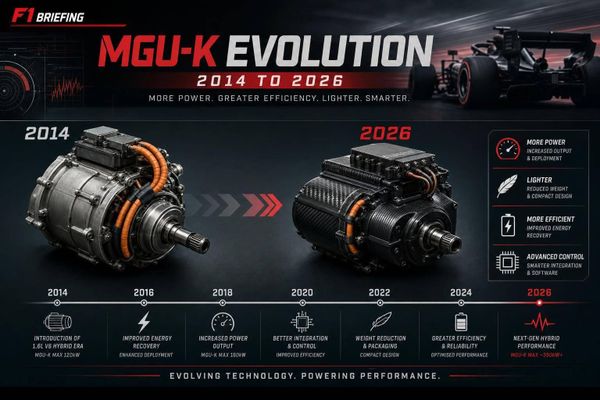
MGU-K transformed from a minor hybrid boost into the primary power source reshaping braking, overtaking, and car design.
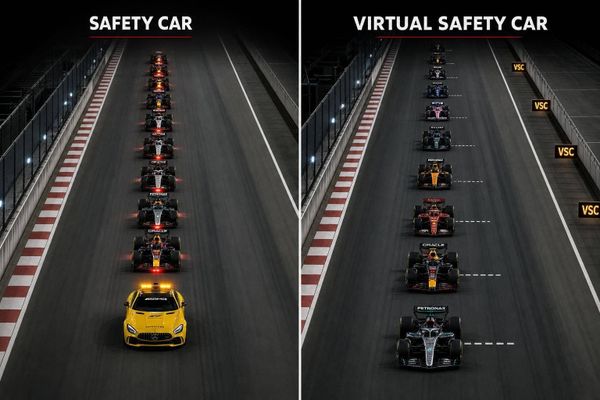
How a full Safety Car bunches the field and reshapes strategy, while a Virtual Safety Car slows by delta and mostly preserves gaps.
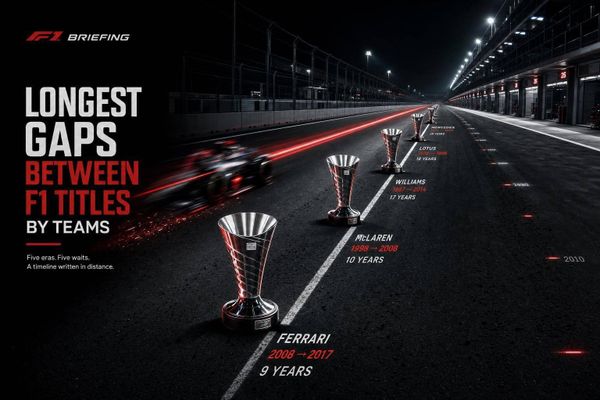
Long Constructors' title droughts reveal the same fault lines: missed rule cycles, weak engines, unstable leadership, and shrinking budgets.
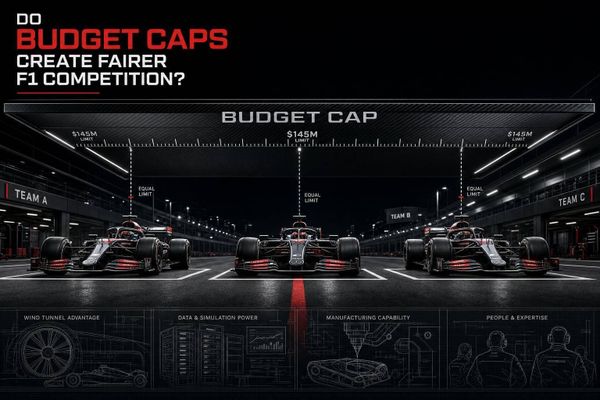
How F1's budget cap cut spending gaps and improved fairness, while legacy resources still shape race results.
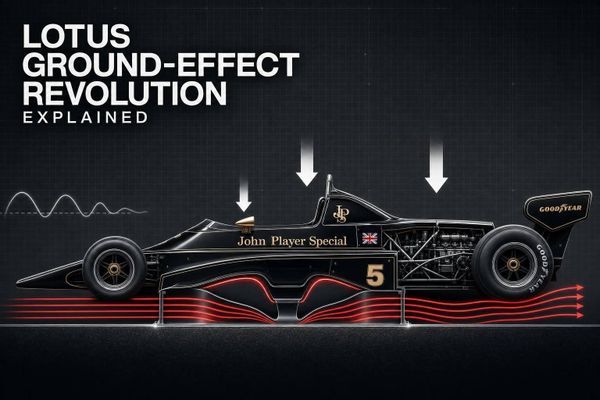
Explains how Venturi tunnels and sealed skirts let cars generate underbody downforce, reshaping F1 aero and causing porpoising.