Sid Watkins and Drivers' Push for Medical Safety
Explore how medical safety in Formula One evolved through groundbreaking reforms and driver advocacy, transforming the sport into a safer environment.
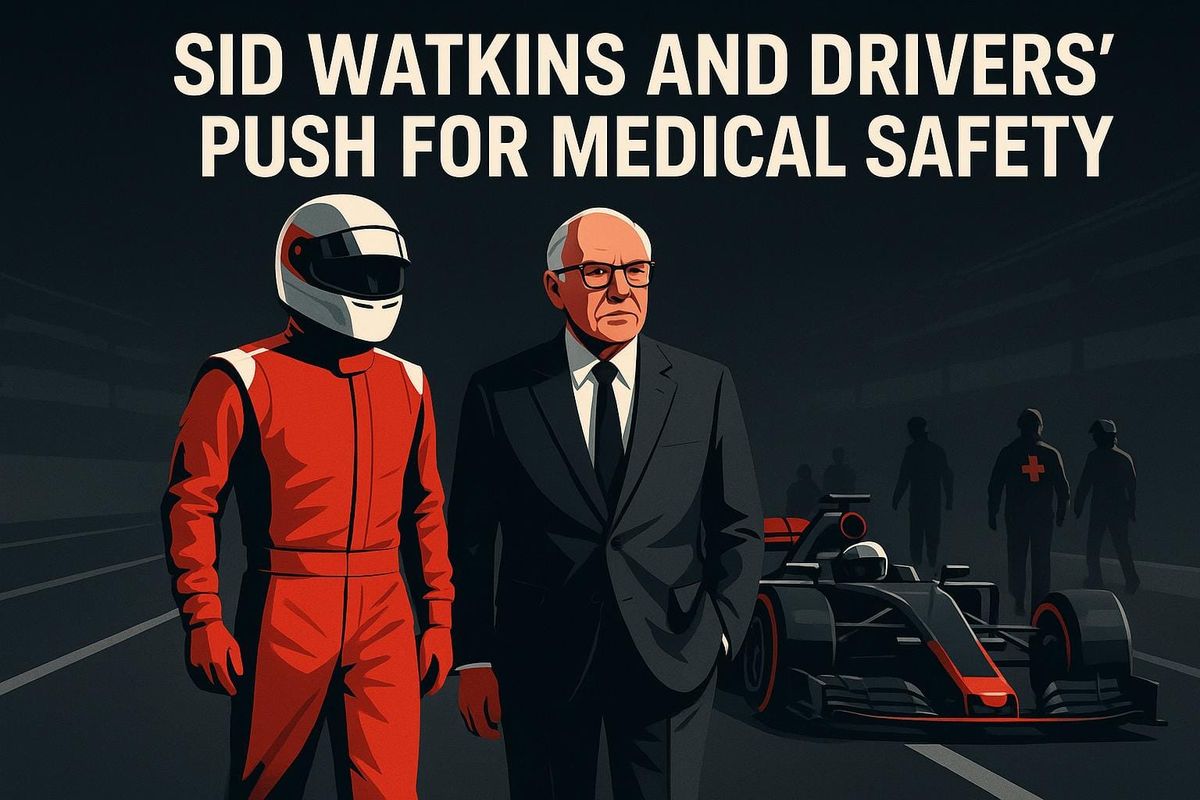
Formula One wasn’t always the safer, high-tech spectacle it is today. Before the 1970s, medical support at races was minimal, with poorly equipped tracks and slow emergency responses putting drivers at extreme risk. Fatalities were alarmingly frequent.
Dr. Sid Watkins, a neurosurgeon, changed everything. Appointed as the FIA's Safety and Medical Delegate, he introduced specialized medical teams, trackside trauma centers, and medical helicopters. He also worked with drivers, who pushed for better safety measures after witnessing and experiencing dangerous lapses in care. Together, they transformed Formula One into a sport where safety became a priority.
Today’s advanced safety systems, like real-time monitoring and improved medical protocols, trace back to their efforts. Watkins’ legacy and the drivers' advocacy continue to define modern F1 safety standards, ensuring the sport values life above all else.
F1's Guardian Angel: Three Drivers Who Were Saved by Sid Watkins
Sid Watkins' Role in Medical Safety Changes
Dr. Sid Watkins revolutionized Formula One's approach to medical safety, reshaping protocols and enhancing emergency response during races.
Sid Watkins' Background and Appointment
Dr. Sid Watkins, a highly respected neurosurgeon with extensive experience in emergency medicine and trauma care, was appointed by the FIA as Formula One's Safety and Medical Delegate. His appointment came in response to drivers demanding better, race-specific safety measures. Watkins brought his medical expertise to the forefront, pushing for standardized protocols and creating specialized on-track medical services tailored to the high-speed, high-risk nature of motorsport. His efforts laid the groundwork for a mobile medical infrastructure that met the unique challenges of Formula One.
Medical Protocols Introduced by Watkins
Watkins led a series of groundbreaking safety reforms that raised the standard for motorsport medicine. He introduced dedicated, trackside medical teams equipped with mobile trauma centers to ensure immediate treatment during Grand Prix weekends. These teams were staffed with professionals trained to handle the unique demands of motorsport injuries.
To further enhance emergency response, Watkins incorporated medical helicopters into the framework, ensuring rapid evacuation during the critical "golden hour" after an incident. He also worked closely with track safety crews to refine driver extraction techniques, developing standardized methods to safely remove drivers from wrecked cars while minimizing additional injury risks.
Watkins set minimum requirements for medical facilities at circuits, mandating essential emergency equipment and establishing direct communication links with nearby trauma centers. Additionally, he introduced medical databases to track injury patterns and treatment outcomes, using this data to continuously improve safety protocols.
These reforms not only transformed medical response in Formula One but also encouraged drivers to take an active role in advocating for further safety improvements. Watkins' contributions became a cornerstone of the sport's ongoing commitment to safety.
Drivers' Push for Better Medical Safety
Dr. Watkins may have introduced important protocols, but it was the drivers themselves who brought a sense of urgency to improving trackside medical care. Their firsthand experiences in life-threatening situations made it clear that the sport needed a serious overhaul when it came to safety.
Drivers' Accident Experiences
Major accidents revealed glaring weaknesses in emergency response systems. From inadequate fire suppression methods to underprepared medical teams, these shortcomings became impossible to ignore. Drivers who had endured these incidents began to speak out, using their platforms to demand better safety measures. Their push for change was fueled by the knowledge that lives depended on it, sparking a movement to reform medical standards at the circuits.
Driver Committee Formation
Realizing that individual voices could only go so far, drivers came together to form a unified front. Through their association, they systematically evaluated track conditions and advocated for stronger medical protocols. Key figures took the lead in documenting safety risks and formally presenting their concerns to race organizers and the FIA.
This collective effort gave Dr. Watkins invaluable input directly from those most at risk. By working closely with drivers, he was able to fine-tune safety protocols to address real-world scenarios. This partnership between drivers and medical professionals created a powerful force for change, pressuring race organizers and the FIA to take immediate action. The drivers’ consistent feedback ensured that safety measures continued to evolve and improve over time.
sbb-itb-7c68254
Major Medical Safety Changes and Results
Responding to drivers' calls for better safety measures, Watkins transformed trackside medical care. He replaced basic local first aid with advanced, specialized on-site medical facilities, setting a new standard for motorsport safety.
Medical Protocols Before and After Watkins
In light of past tragedies, Watkins introduced a game-changing approach to medical response at Grand Prix events. Fully equipped medical vehicles and on-site centers drastically improved response times and the quality of care. By working closely with track designers, he implemented essential safety features like proper barriers, runoff areas, and accessible emergency routes, ensuring drivers were better protected during high-stakes races.
Continued Benefits of Medical Improvements
The protocols introduced by Watkins became the foundation for modern F1 safety measures. Today, advanced systems like real-time monitoring ensure quicker accident responses. Innovations such as the HANS device and biometric racing suits have further minimized injury risks, reduced costs, and supported F1's global expansion. Additionally, international training programs based on Watkins' practices continue to prepare motorsport medical teams, ensuring high safety standards across various racing competitions worldwide.
Sid Watkins and Driver Collaboration Legacy
Sid Watkins' partnership with Formula One drivers was instrumental in reshaping the sport's approach to medical safety. Together, they created a foundation that prioritized driver well-being, sparking a culture of safety that continues to influence advancements in care. Their combined efforts set the stage for lasting reforms and ongoing advocacy for improved safety measures.
Watkins' Role in FIA and Motorsport Medical Standards
As the FIA's Safety and Medical Delegate, Sid Watkins spearheaded transformative medical safety initiatives following past tragedies. His ability to foster trust and cooperation with drivers played a pivotal role in gaining support for these changes. These reforms became a turning point, establishing stricter medical oversight standards that elevated safety across motorsport.
Drivers Upholding the Safety Legacy
Today, drivers carry forward the collaborative spirit initiated by Watkins. Drawing from their own experiences, they actively advocate for better safety protocols, ensuring that medical considerations remain a core focus in the racing world. This ongoing commitment reflects the enduring impact of Watkins' work and the drivers' role in reinforcing a safer environment for all.
Conclusion: Formula One Medical Safety Transformation
Sid Watkins and the Formula One drivers reshaped the sport, turning it from a perilous spectacle into one where safety became the top priority. Their teamwork demonstrated that real progress requires both medical expertise and the voices of those risking their lives on the track.
In the 1970s, before Watkins joined, Formula One faced a grim reality - multiple driver fatalities each season. The lack of proper medical facilities and outdated rescue methods made the sport unforgiving. This dire situation set the stage for a much-needed overhaul.
The partnership between Watkins and the drivers changed everything. By listening to drivers' firsthand accounts, Watkins crafted practical solutions to address the dangers of the sport. The drivers, in turn, championed his ideas, ensuring they were implemented. Together, they fostered a culture of safety that placed human life above tradition or cost.
This collaboration became the foundation for the sport's current safety standards. Modern advancements like enhanced trackside care, rapid response teams, and standardized emergency protocols all trace back to the efforts led by Watkins and the drivers. The transformation is clear: Formula One went from losing multiple drivers annually to achieving decades of racing without fatalities - a powerful testament to their shared vision.
Today’s drivers continue to honor this legacy by actively engaging in safety discussions and pushing for further improvements. The Grand Prix Drivers' Association remains a strong advocate for driver welfare, while the FIA upholds strict medical standards.
Looking back, the collaboration between Watkins and the drivers serves as a reminder of what can be achieved when expertise and advocacy join forces. They turned a grim acceptance of risk into a steadfast commitment to preserving life.
FAQs
How did Dr. Sid Watkins improve Formula One's approach to accident safety?
Dr. Sid Watkins transformed safety in Formula 1 by bringing dedicated medical teams to every race, ensuring accidents were met with swift and effective care. He also introduced on-site medical centers equipped to manage emergencies and championed immediate intervention protocols, cutting response times dramatically during crashes.
These groundbreaking measures redefined safety standards in F1, leading to a significant drop in fatalities and severe injuries. Watkins' legacy remains a driving force behind the sport's ongoing dedication to safeguarding drivers both on and off the track.
How did Formula One drivers contribute to the safety advancements led by Dr. Sid Watkins?
Formula One drivers have been instrumental in championing safety advancements within the sport, standing firmly alongside Dr. Sid Watkins in his mission to enhance protective measures. They advocated for critical updates, such as sturdier crash barriers, improved medical protocols, and groundbreaking innovations like the halo device. These efforts gained even more urgency in the wake of high-profile accidents, underscoring the importance of prioritizing driver safety.
Notably, Ayrton Senna used his platform to passionately push for these changes, bringing attention to the need for stronger safety standards. This united effort between the drivers and Dr. Watkins led to a significant transformation in F1 safety, drastically reducing fatalities and creating a much safer environment for everyone involved in the sport.
What modern safety features in Formula One were influenced by Dr. Sid Watkins and the drivers?
Many of Formula One's current safety measures - like impact-absorbing headrests, reinforced cockpits, and durable seats - owe their existence to the efforts of Dr. Sid Watkins and his collaboration with drivers. Serving as the FIA Safety and Medical Delegate, Dr. Watkins was instrumental in advocating for these life-saving innovations, which have greatly enhanced driver protection.
By combining his relentless dedication with the drivers' push for stricter safety standards, they laid the groundwork for advancements that have dramatically decreased the number of fatalities and serious injuries in the sport.