FIA Safety Rules: Competitive Impact Study
FIA safety rules have become a driving force in leveling F1 competition by reshaping car design and lap-time parity.
FIA safety regulations do more than protect drivers - they directly influence Formula 1's competitive balance. From the 2022 ground-effect aerodynamics overhaul to the upcoming 2026 "Nimble Car Concept", these rules aim to make racing safer while tightening performance gaps across teams.
Key Highlights:
- 2026 Safety Updates: Roll hoop load increases (16G to 20G), structural test loads rise (141kN to 167kN), and car weight drops by 30 kg to 724 kg.
- Closer Racing: 2022 regulations improved wake downforce retention from 50% to 80–85%, enabling more overtaking opportunities.
- Competitive Balance: Studies show an 8.8% reduction in lap time variance and a 6.8% drop in inequality (Gini coefficient) after the 2022 updates.
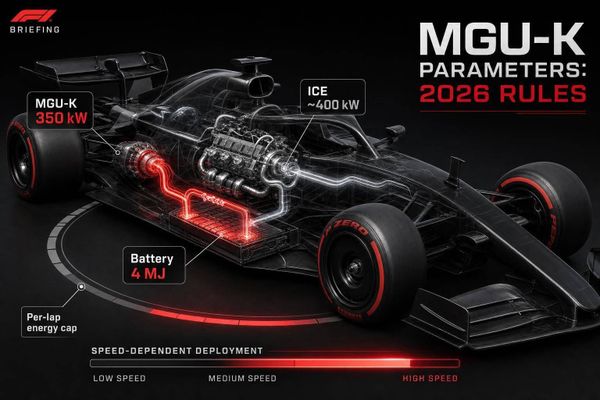
- Future Tech Adjustments: 2026 will replace DRS with active wings and introduce new power unit rules, including eliminating the MGU-H, to attract manufacturers like Audi and Ford.
These changes aim to balance safety and competition, ensuring F1 remains thrilling while leveling the playing field.
How Researchers Study Safety and Competition
Key Metrics for Safety and Competition
To evaluate how safety regulations influence competition, researchers rely on specific benchmarks. On the safety side, they examine structural load specifications, like roll hoop G-force ratings and impact loads measured in kilonewtons (kN). These metrics reveal how much stress a car’s structure can endure.
When it comes to competitive balance, the focus shifts to lap time distribution. Two primary metrics are used here: the standard deviation of lap times, which shows the gap between the fastest and slowest cars, and the Gini coefficient, which measures inequality across the grid. A third tool, the Lorenz curve, complements these by visually representing the share of total race time across different segments of the field. If the curve shifts upward, it indicates a more evenly matched competition.
Another critical measure is wake downforce retention, which assesses how much aerodynamic grip a trailing car maintains at a fixed distance behind the leader. Before 2022, cars retained about 50% of their downforce at 20 meters behind another car. However, the 2022 design updates improved this figure to 80–85%.
Together, these benchmarks offer a comprehensive look at how safety measures impact both car performance and race dynamics.
Statistical Methods and Data Sources
Researchers build on past studies to quantify how safety changes affect competition. Official lap time records serve as the foundation for analysis, with recentered influence function (RIF) regression helping to isolate the effects of regulatory changes. This method accounts for fixed variables like drivers, circuits, and laps.
In May 2023, Cameron Scott Prince from East Carolina University analyzed lap times from the 2021–22 Formula 1 seasons using RIF regression. His findings confirmed that the 2022 rule changes positively affected competitive balance:
"The 2022 regulations improved competitive balance in Formula 1 racing. Specifically, we estimate that the standard deviation and Gini coefficient for lap times declined by 8.8% and 6.8%, respectively." - Cameron Scott Prince, East Carolina University
Quantile analysis adds further depth by dividing the grid into segments, such as the top 20% and bottom 20%, to identify where competitive gains are most pronounced.
Challenges in Isolating Regulation Effects
Despite these advanced methods, researchers face several hurdles. FIA rule changes often address multiple areas simultaneously - altering aerodynamics, safety structures, and financial rules in a single cycle. This overlap makes it tough to pinpoint which specific change drives a particular outcome.
Another issue is regulation decay. Over time, teams exploit technical loopholes, such as tweaking front wing endplates, which can erode the initial aerodynamic benefits. For example, the 2022 cars initially achieved 80–85% downforce retention, but this gradually declined during the regulation cycle. As Nikolas Tombazis, FIA Single-Seater Director, explained:
"The 2022 cars started off with a significant improvement in their wake characteristics... And then that gradually decayed during the regulation cycle to what it is now."
Additionally, the 2021 cost cap adds another layer of complexity. These financial regulations limit teams’ budgets, affecting their ability to adapt to new safety and technical rules. Untangling the effects of these intertwined factors remains a challenge for researchers.
sbb-itb-7c68254
What Are Formula 1 Regulations? | 2026 F1 Regulations Explained
How FIA Safety Rules Have Changed Over Time
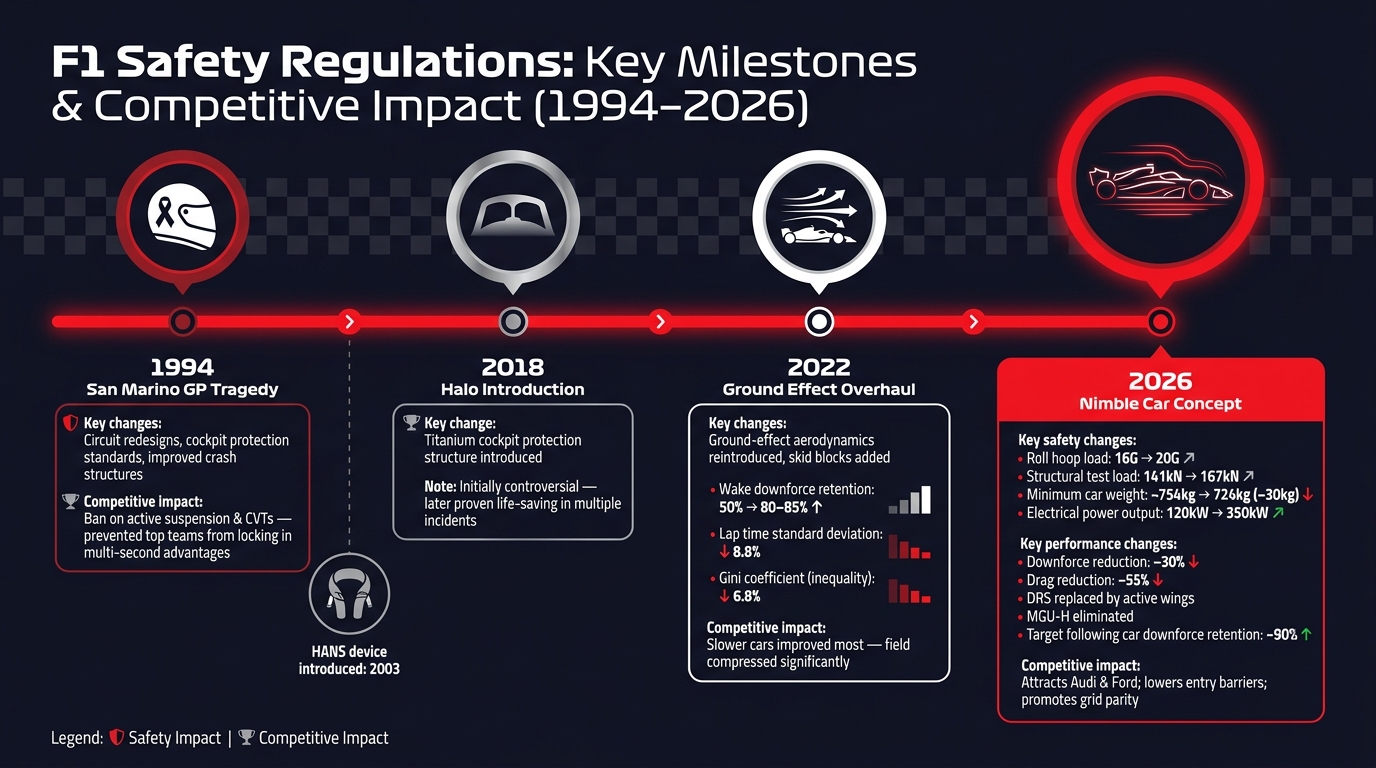
F1 Safety Regulations: Key Milestones & Competitive Impact (1994–2026)
Major Eras of Safety Reform
The evolution of F1 safety has often been driven by tragic events and advancements in technology. One of the most defining moments came after the devastating 1994 San Marino Grand Prix, which claimed the lives of Ayrton Senna and Roland Ratzenberger. This tragedy prompted the FIA to implement sweeping changes, including updates to circuit layouts, stricter cockpit protection standards, and improved crash structures. Among these reforms was the eventual introduction of the HANS (Head and Neck Support) device in 2003, designed to reduce the risk of fatal injuries during high-impact crashes.
Another milestone in safety came in 2018 with the introduction of the Halo - a titanium structure positioned above the cockpit to protect drivers from debris and collisions. Initially met with skepticism and criticism, the Halo has since proven its value, saving lives in several high-profile incidents.
In 2022, the FIA ushered in another era of reform by revisiting car aerodynamics with a focus on ground-effect principles. This redesign aimed to reduce wake turbulence and improve downforce retention for trailing cars, leading to closer and more competitive racing. Research has since confirmed the effectiveness of these changes in achieving both safety and performance objectives.
These pivotal reforms reflect how F1 has continually adapted its safety measures to meet new challenges while shaping the sport's competitive landscape.
Safety Goals and Their Competitive Context
Over the years, the FIA has worked to balance safety improvements with competitive fairness. Each era of reform has sought to address immediate safety concerns while influencing how teams approach car design. For instance, the measures introduced after 1994 focused on preventing fatalities and improving crash protection. These changes forced teams to rethink vehicle designs, which helped level the playing field by minimizing some of the advantages held by wealthier teams.
By 2022, the FIA began explicitly linking safety with competitive equity. A prime example of this approach is the "Nimble Car Concept" set for 2026. These upcoming regulations aim to make cars stronger yet lighter, reversing the trend of increasing vehicle weight caused by hybrid components and additional safety features. Key changes include:
- Increasing roll hoop load capacity from 16G to 20G
- Raising structural test loads from 141kN to 167kN
- Reducing the minimum car weight by 30 kg to 724 kg
| Regulation Feature | Pre‑2026 | 2026 |
|---|---|---|
| Roll Hoop Load | 16G | 20G |
| Structural Test Load | 141kN | 167kN |
| Minimum Weight (incl. tires) | ~754 kg | 724 kg |
| Electrical Power Output | 120kW | 350kW |
These updates reflect a broader trend toward integrating safety with performance, ensuring that the sport remains challenging yet secure.
However, new rules often bring unforeseen challenges. For example, the mandated 50-50 power split for 2026 introduces complexities in energy management. Drivers at the front of the grid might begin races with as little as 0% battery charge due to energy harvesting limits during formation laps. Max Verstappen highlighted this issue, stating:
"Starting with 0 percent battery is not a lot of fun and quite dangerous... you can see a lot of big speed differences."
This example underscores a recurring theme in F1: safety and performance regulations are deeply interconnected, and their full impact often becomes clear only after implementation.
What the Data Shows: Safety Rules and Competitive Balance
Let’s take a closer look at how recent and upcoming regulatory changes impact safety, race dynamics, and the competitive landscape in Formula 1.
Impact on Driver Safety
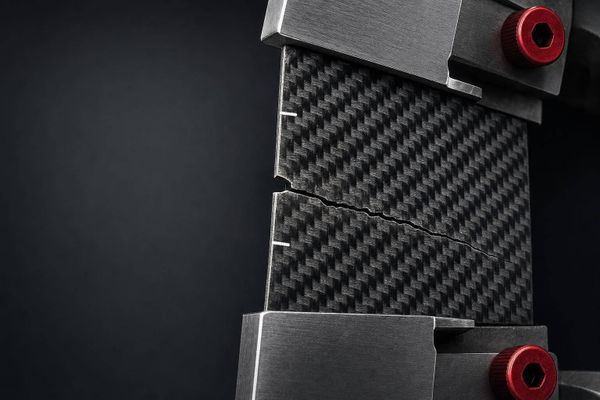
Starting in 2026, Formula 1 cars will undergo stricter safety measures. Structural test loads are increasing from 141kN to 167kN, and roll hoop loads are rising from 16G to 20G. These adjustments are designed to provide better crash protection. Additionally, new lateral safety lights will make it easier to identify the on-track status of the Energy Recovery System (ERS), reducing risks associated with high-voltage incidents.
"The 2026 regulations are not just about improved racing – the FIA's ceaseless mission to continually raise safety levels will also lead to 2026 cars being safer and more secure than ever." - FIA
Effects on Race Dynamics and Overtaking
The 2022 regulations brought tangible improvements to race dynamics. Research by Cameron Scott Prince from East Carolina University revealed an 8.8% decrease in the standard deviation of lap times between the 2021 and 2022 seasons. This tightening of lap times compressed the race field, making overtaking more achievable.
Looking ahead to 2026, the FIA plans to reduce downforce by 30% and drag by 55%, while replacing the DRS system with active front and rear wings. These changes are expected to improve how closely cars can follow one another, a critical factor for overtaking. Nikolas Tombazis, FIA Single-Seater Director, highlighted the aim:
"We believe that the start of the new cycle will be more like 90% [downforce for following cars], better than it's ever been."
This improvement in aerodynamic performance could lead to more wheel-to-wheel battles and an overall increase in on-track excitement.
Effects on Competitive Balance Between Teams
The interplay between safety and competition is evident in the data. The East Carolina University study used the Gini coefficient, a measure of inequality, to analyze lap times. After the 2022 regulations, the Gini coefficient dropped by 6.8%, with slower cars showing the most improvement. This indicates a more level playing field.
"The 2022 regulations improved competitive balance in Formula 1 racing... driven by increases in lap times below the 95th percentile and decreases in lap times above the 95th percentile (the slowest cars)." - Cameron Scott Prince, Researcher
For 2026, the removal of the MGU-H from power unit specifications is another step toward balancing the competition. This component has historically been a costly and complex barrier for smaller manufacturers. By eliminating it, the FIA aims to attract new participants like Audi and Ford. Paired with the cost cap, these changes lower entry barriers, making the sport more accessible and competitive.
The table below highlights how key regulation changes over the years have influenced competitive balance:
| Regulation Era | Key Change | Competitive Impact |
|---|---|---|
| 1994 | Ban on active suspension & CVTs | Prevented top teams from locking in multi-second advantages |
| 2022 | Ground effect reintroduction & skid blocks | Lap time standard deviation fell 8.8% |
| 2026 | MGU-H removal & Nimble Car Concept | Designed to attract Audi and Ford at a competitive level |
These updates underscore the FIA’s commitment to creating a safer, more competitive, and engaging racing environment.
Conclusion: Safety Rules and F1 Competition
Key Takeaways on FIA Rules and Competition
FIA safety regulations are not just about protecting drivers - they also play a big role in shaping the competitive landscape of Formula 1. For instance, the 2022 rule changes significantly narrowed performance gaps across the grid. This was reflected in better lap time metrics, particularly among teams that previously struggled to keep up with the frontrunners. Updates like stricter crash structures, improved aerodynamic wake management, and the introduction of more standardized components have leveled the playing field, reducing the advantage of wealthier teams. Looking ahead, the 2026 rule changes aim to continue this trend, refining race dynamics and promoting greater parity among teams.
What Comes Next for Safety and Competition
The 2026 regulations aim to push the boundaries of both safety and competitive balance even further. Changes include the introduction of the "Nimble Car Concept", which reduces the minimum car weight to 724 kg (a drop of 30 kg), shortens the wheelbase to 3,400 mm, and targets an impressive 90% downforce retention for cars following closely - higher than in any previous generation. On the safety side, roll hoop load requirements will increase from 16G to 20G, and structural test loads will rise from 141 kN to 167 kN. At the same time, aerodynamic adjustments, such as a 30% reduction in downforce loss and a 55% drag reduction, are designed to make closer racing more feasible.
Another significant change is the shift from DRS to Overtake Mode, which provides a +0.5 MJ boost to trailing cars while reducing the leader's power above 290 km/h. This adjustment is expected to shake up race strategies. Simone Resta, Deputy Technical Director at Mercedes, shared his thoughts on the potential impact:
"It's going to be quite different... every driver will be running moveable front and rear wings together, at many points in the lap, and they will be using the energy to help overtaking. It's going to be different and potentially quite more unpredictable."
Moreover, the competitive field will expand with the arrival of new power unit suppliers like Audi and Cadillac, joining the grid in 2026. If these regulations succeed in fostering closer racing and lowering technical barriers, Formula 1 could see a dramatic shift in its competitive dynamics in just a few seasons.
FAQs
How do safety rules change who wins in F1?
Safety rules in Formula 1 play a key role in shaping race outcomes by directly affecting car design, performance, and strategy. The FIA's regulations prioritize driver safety through technical adjustments, which often influence the competitive landscape. For example, changes like aerodynamic tweaks and the introduction of the Drag Reduction System (DRS) not only enhance overtaking opportunities but also ensure that safety measures don't detract from the sport's competitive edge. This delicate balance between safety and fair competition can have a significant impact on who takes the checkered flag.
How do researchers measure “closer racing” in data?
Researchers assess "closer racing" by looking at two key metrics: the standard deviation and the Gini coefficient of lap times. When these numbers drop, it signals more balanced competition and closer racing action.
Will 2026 active wings make passing easier than DRS?
The active wings set to debut in 2026 aim to make overtaking easier and more dynamic than the current DRS system. By offering more stable aerodynamic downforce, they create better chances for passing without being entirely dependent on DRS. This approach ties in with the FIA's revised regulations and recent studies on the impact of rule adjustments.