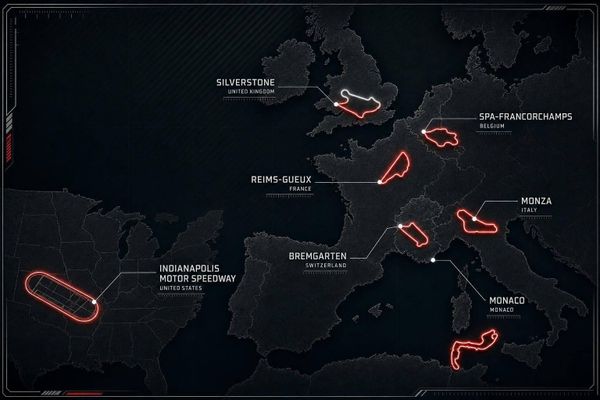
7 Original F1 Circuits: History and Legacy
Examines the seven 1950 F1 circuits and how they shaped modern racing through speed, safety and track variety.
Examines the seven 1950 F1 circuits and how they shaped modern racing through speed, safety and track variety.
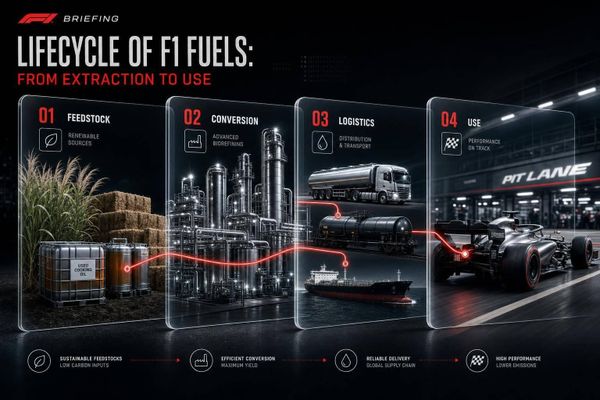
Explains why F1's 2026 drop-in sustainable fuel success hinges on feedstock, conversion, logistics, and full well-to-wheel accounting.

2026 F1 rules shift downforce from floors to active wings, increasing drag sensitivity and tying aero trim to battery use.
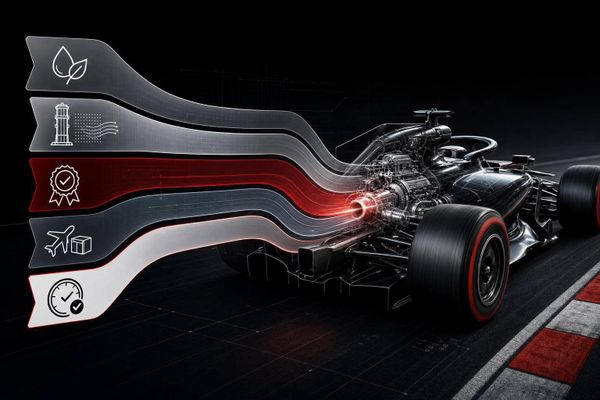
Five carbon-capture routes behind F1’s 2030 net-zero: 2026 sustainable fuel, DAC e‑fuels, removal credits, SAF/logistics, and FIA checks.
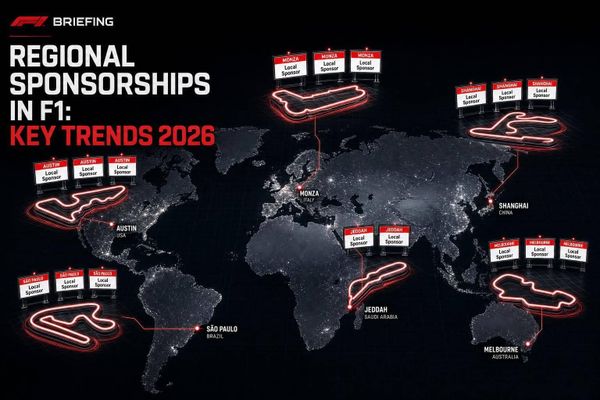
F1 is shifting from global sponsorships to tightly targeted, market-by-market deals powered by virtual signage and precise ROI.

Live F1 feeds are constrained more by sync, path design, and regional outputs than raw bandwidth—venue links, last-mile, and backups cause issues.
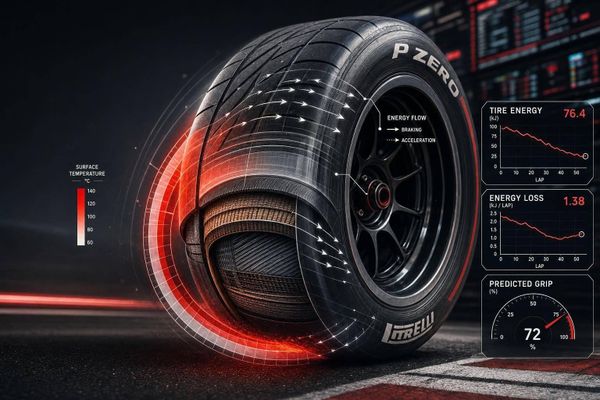
How F1 teams use sensor data and physics+telemetry models to track tire energy, guide stint pacing, and inform pit calls.
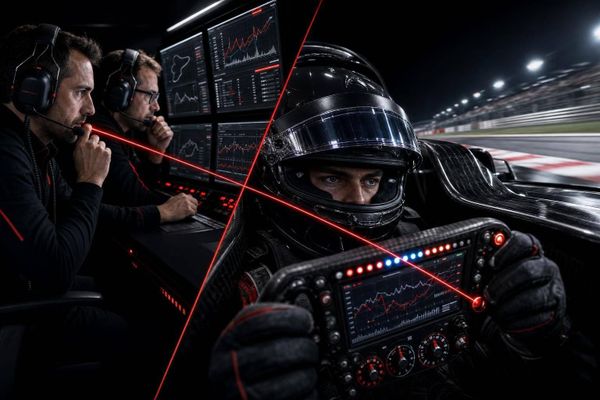
FIA radio rules keep strategy with the pit wall while forcing drivers to execute and adapt alone at speed.
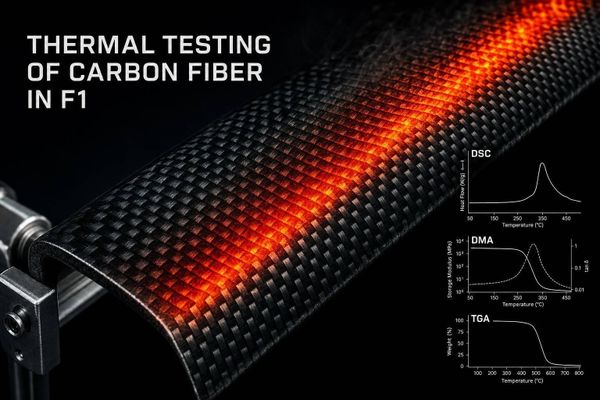
How resin softening, stiffness loss, and lab tests (DSC, DMA, TGA) determine F1 carbon‑fiber part performance under race heat.

Teams win by keeping a fixed global identity and flexing local liveries, sponsors, and activations to stay recognizable.

How F1 moved from delayed analog logs to live digital streams from hundreds of sensors, reshaping strategy and reliability.
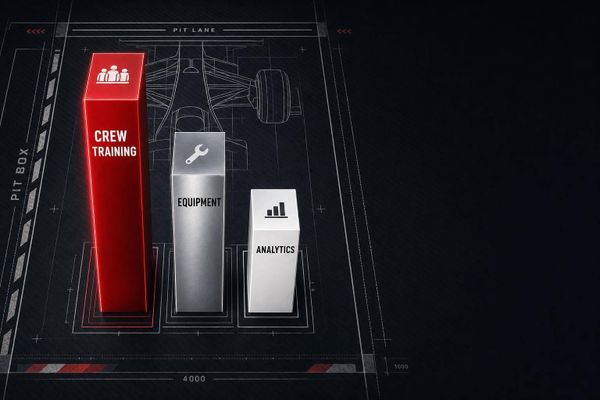
Shows why crew training delivers the best pit-stop gains under the FIA cost cap, with equipment second and analytics third.