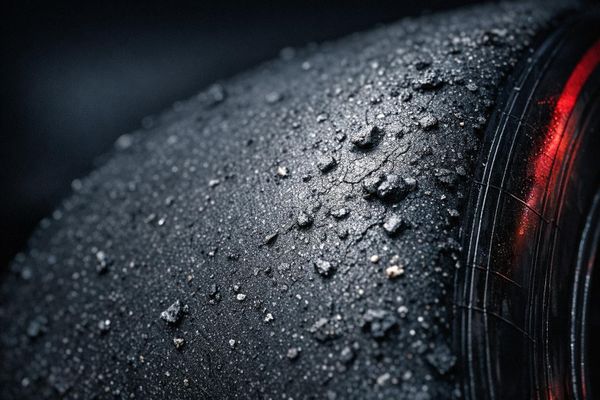
Understanding Grip Degradation in F1 Tires
How F1 tires lose grip: thermal and chemical degradation, graining, measurement, and strategic impact on race pace.
How F1 tires lose grip: thermal and chemical degradation, graining, measurement, and strategic impact on race pace.
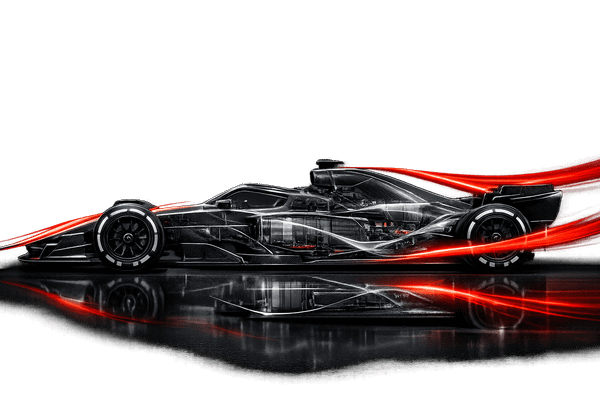
How top F1 teams balanced aerodynamics, packaging, energy harvesting and cooling under the 2026 rules, and the trade-offs that followed.
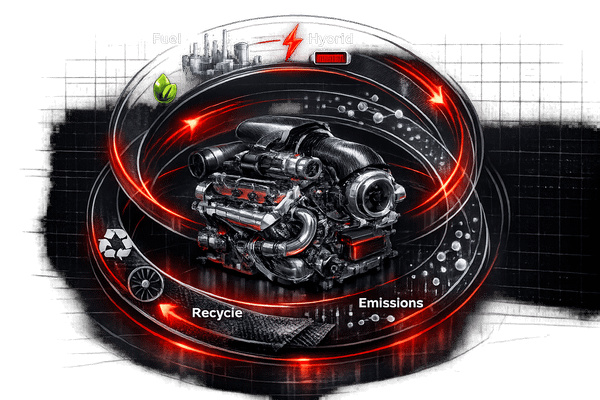
Explains F1 engine lifecycle emissions, 2026 advanced sustainable fuels, hybrid efficiency gains, and recycling challenges.

HR transforms F1 results by recruiting hybrid specialists, aligning technical teams, reducing burnout, and strengthening leadership.

Drivers’ real-time feedback prompted 2026 mid-season F1 rule tweaks to fix hybrid power issues and boost safety in starts and wet conditions.
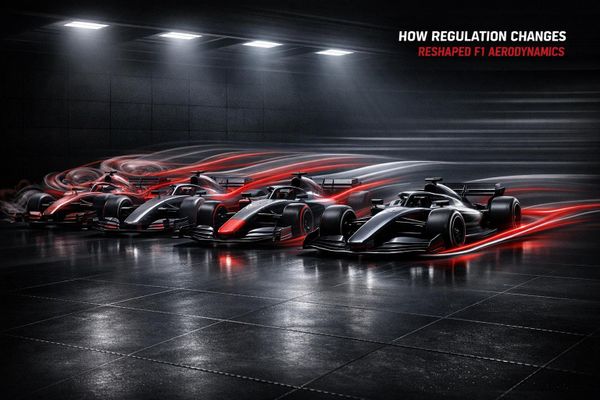
How F1 rule changes (2009–2026) shifted downforce, wake behavior and the move to ground-effect and active aerodynamics.
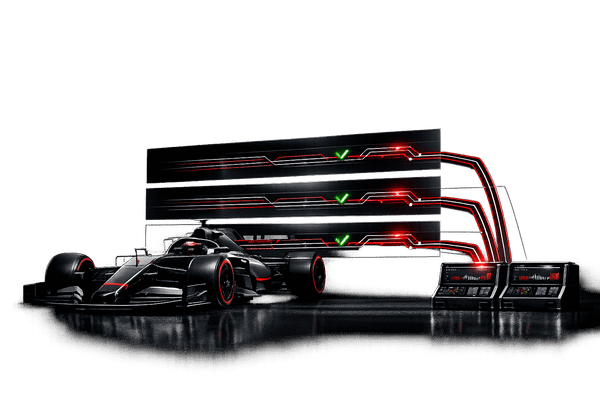
Multi-layer backups, automatic failover, and fault detection that keep Formula 1 telemetry reliable and compliant under 2026 rules.
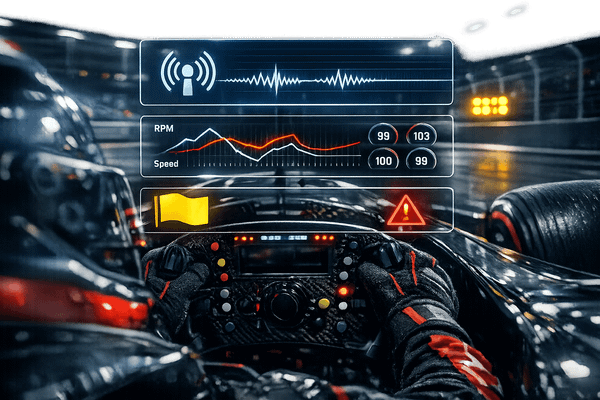
How F1 teams use radios, telemetry, code phrases and visual alerts to detect and manage on-track emergencies and keep drivers safe.
Five drivers transformed Formula 1 safety, prompting track redesigns, cockpit protection and emergency reforms.
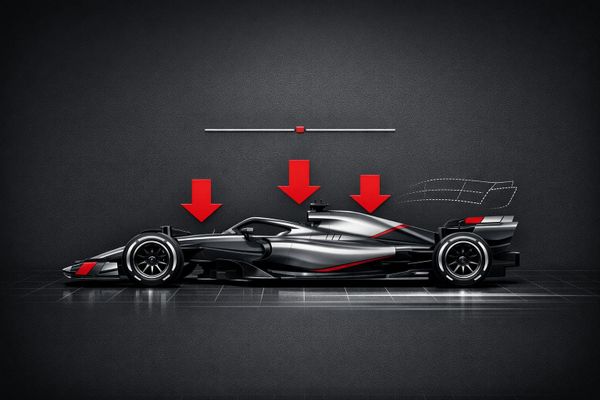
Explains how reduced 2026 F1 weight and downforce rules affect lap times, tire wear, and active aerodynamics tradeoffs.

How F1 teams partner with universities to solve engineering problems, protect data, and recruit talent under 2026 rules.
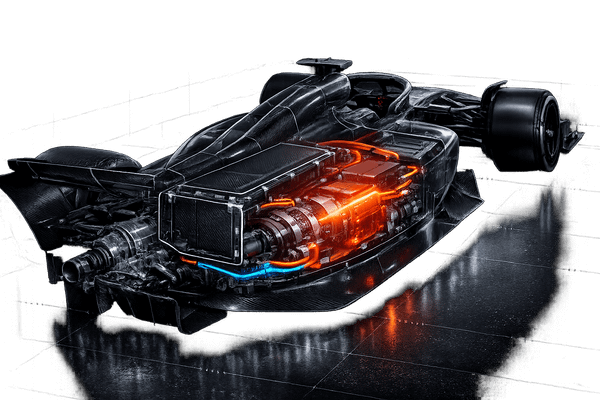
2026 F1 rules make cutting battery weight harder: heavier power units, 350 kW MGU‑K, greater heat, strict safety and tight packaging.