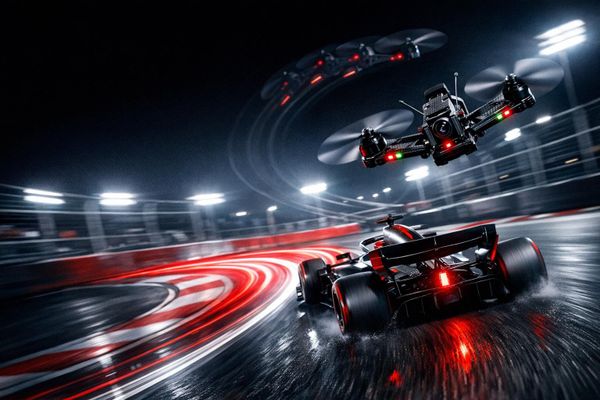
Evolution of Drone Use in F1 Broadcasting
Drones and FPV tech are changing F1 coverage with closer, immersive angles while safety, battery and latency limit full live use.
Drones and FPV tech are changing F1 coverage with closer, immersive angles while safety, battery and latency limit full live use.
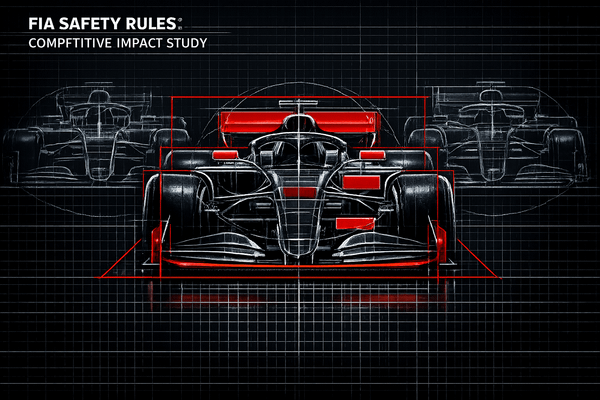
FIA safety rules have become a driving force in leveling F1 competition by reshaping car design and lap-time parity.
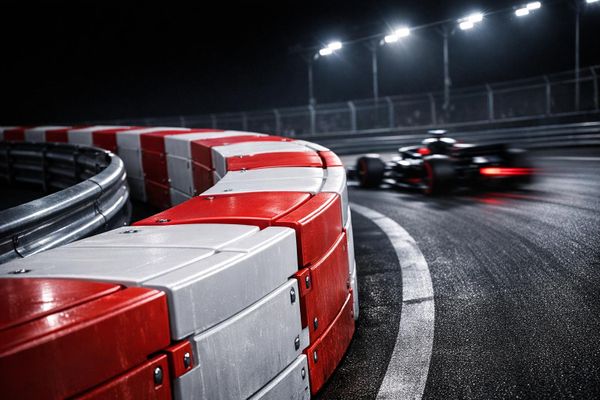
TecPro barriers absorb crash energy, limit rebound and enable quick repairs—meeting FIA standards to improve F1 track safety.
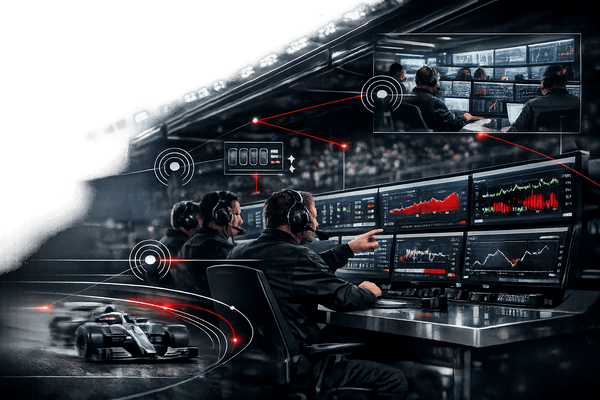
How F1 pit wall teams use radios, telemetry, strategists, and remote ops to make split-second race decisions.
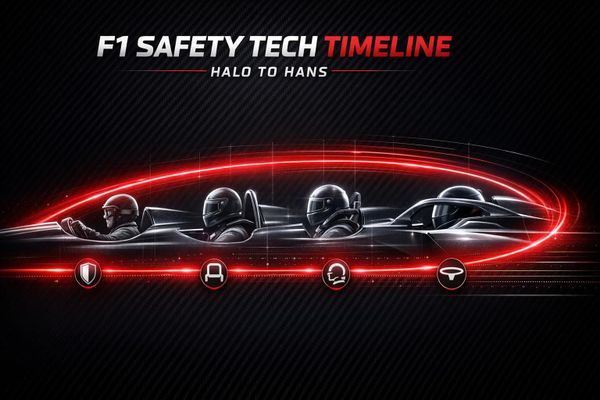
Timeline of F1 safety advances from basic protections to the HANS device and Halo, showing how engineering cut fatalities and reshaped motorsport safety.
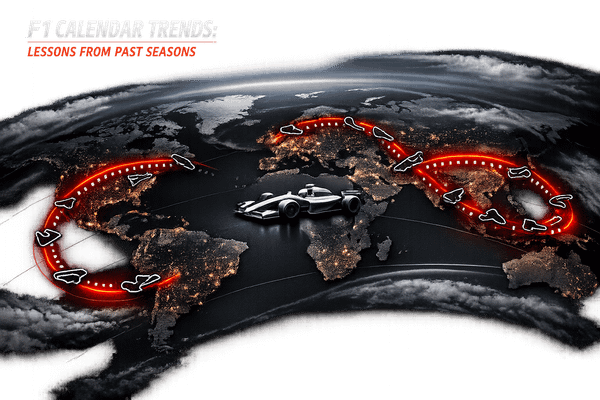
Regional race grouping, venue deals and weather shifts are reshaping F1 logistics, budgets and race-day setup strategies.
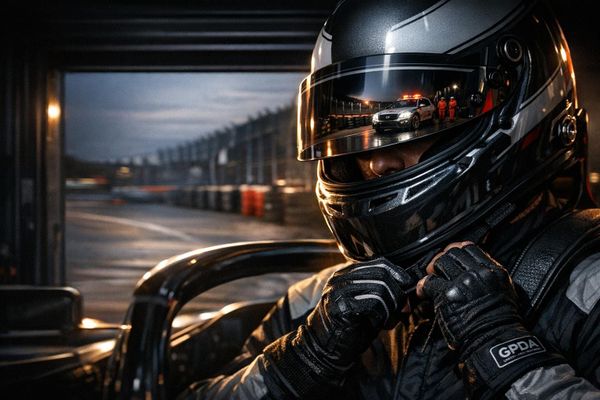
Jackie Stewart's campaign reshaped F1 safety—reviving the GPDA, improving tracks, gear, and medical response, and reducing driver deaths.
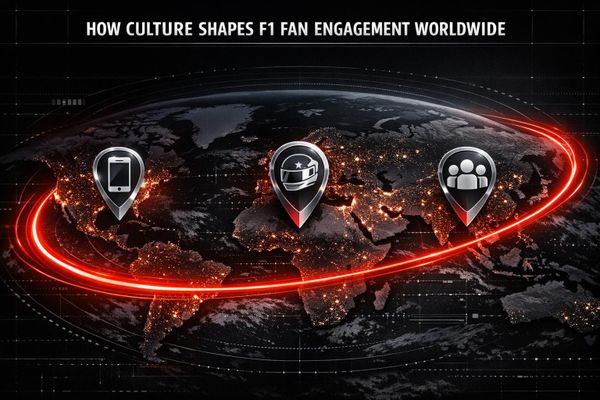
Cultural norms, media habits, and local heroes shape how Gen Z, women, and regional fans engage with F1.
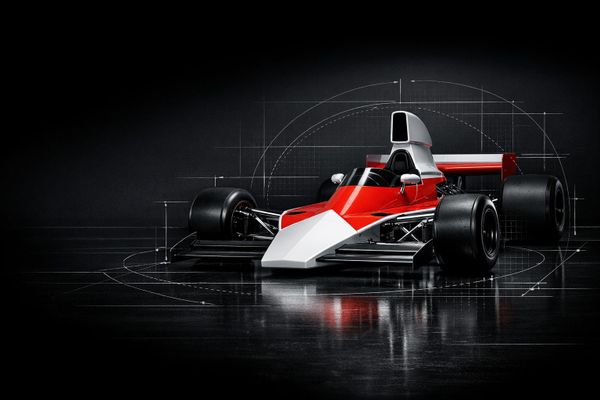
Mayer professionalized McLaren, secured Marlboro funding, developed the M23 chassis, and led the team to 1970s F1 titles.
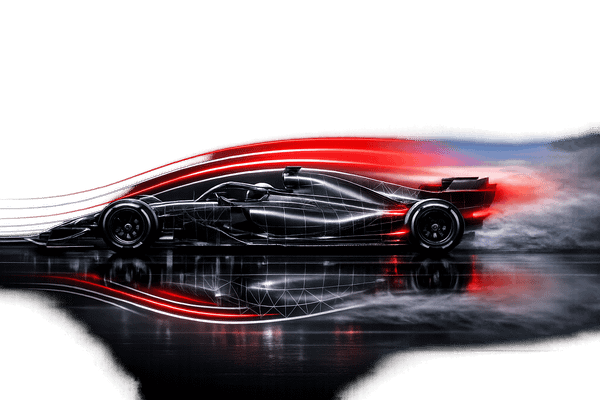
CFD workflow to optimize F1 downforce and drag using surrogate models, iterative simulations, and wind-tunnel validation.
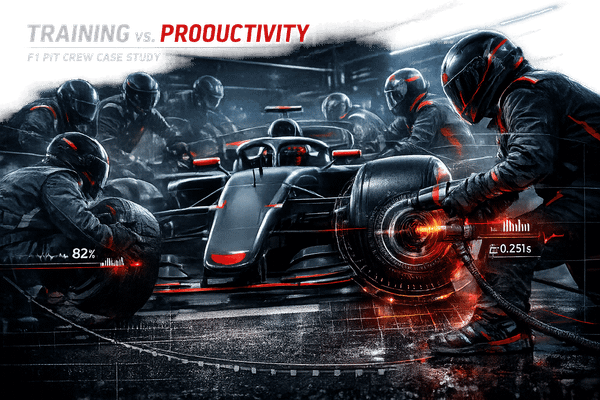
How F1 teams use athletic training, role rotation, data and AI to turn pit-stop preparation into consistent, millisecond gains.
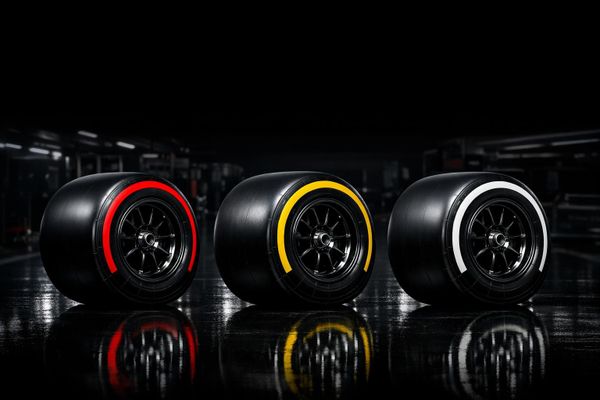
Explains how F1 soft, medium and hard compounds trade grip for durability and shape pit-stop and race strategies.