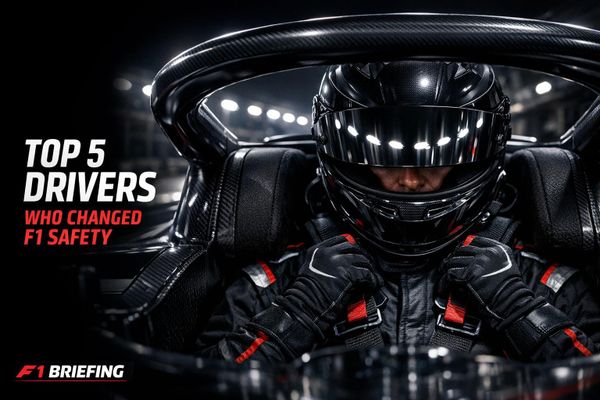
Top 5 Drivers Who Changed F1 Safety
Five drivers transformed Formula 1 safety, prompting track redesigns, cockpit protection and emergency reforms.
Five drivers transformed Formula 1 safety, prompting track redesigns, cockpit protection and emergency reforms.
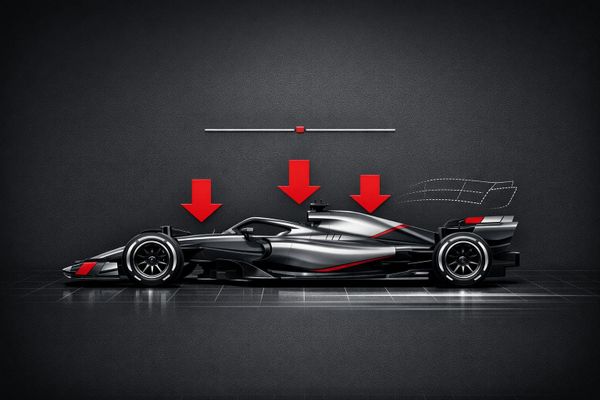
Explains how reduced 2026 F1 weight and downforce rules affect lap times, tire wear, and active aerodynamics tradeoffs.
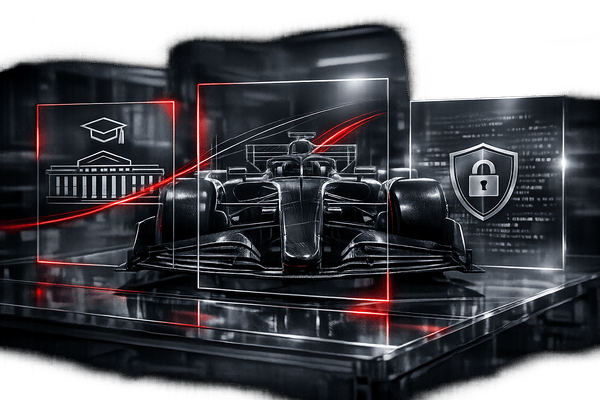
How F1 teams partner with universities to solve engineering problems, protect data, and recruit talent under 2026 rules.
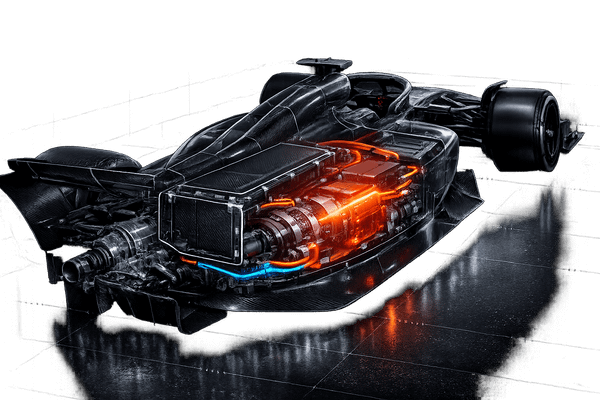
2026 F1 rules make cutting battery weight harder: heavier power units, 350 kW MGU‑K, greater heat, strict safety and tight packaging.
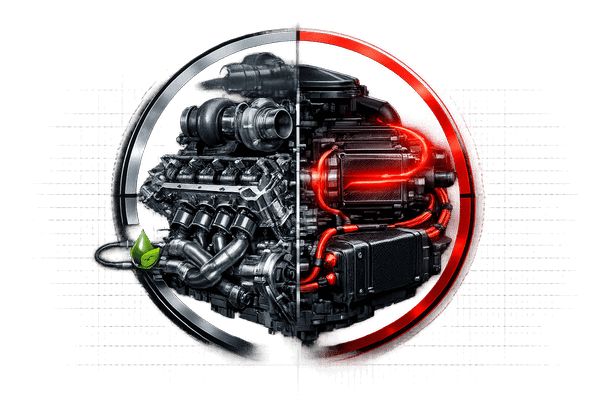
F1's 2026 power-unit overhaul forces a 50/50 ICE–electric split, 100% sustainable fuel, MGU-H removal and new overtake mode.
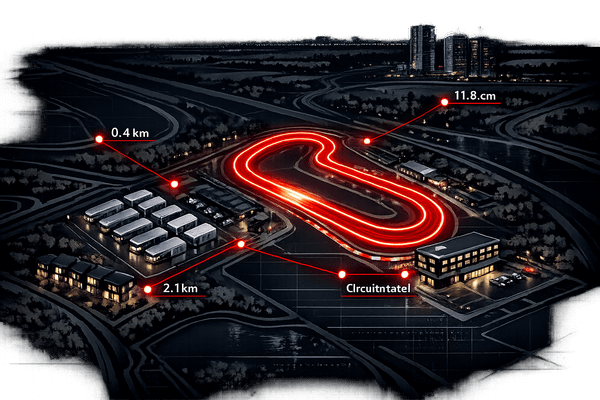
How motorhomes, circuit and city hotels, and residential rentals affect proximity, cost and recovery for F1 teams on 2026 Sprint weekends.

Shift to kinetic-only ERS exposes energy shortfalls and super-clipping, forcing teams to rethink 7 MJ-per-lap energy strategies.
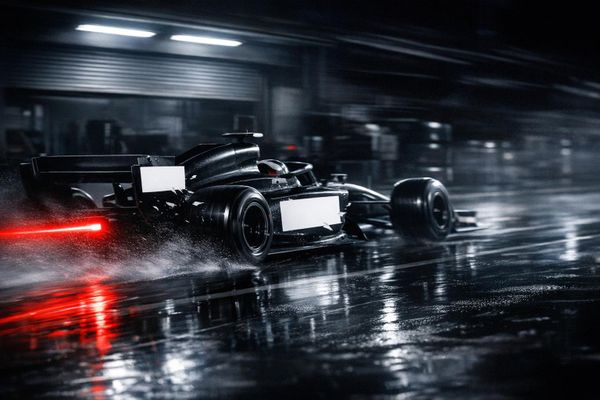
How sponsorship loss, costly engine deals, and leadership failures sank an F1 team and reshaped financial rules.
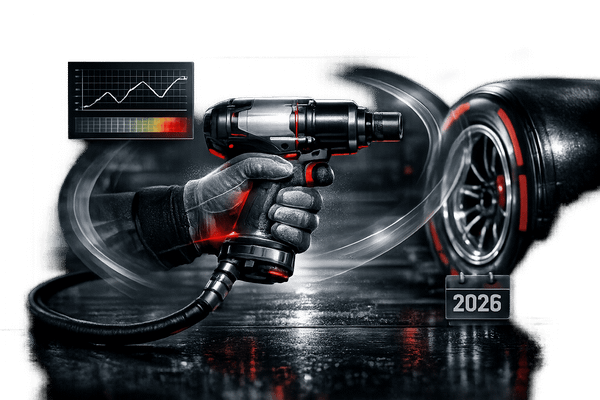
Explores how F1 pit-stop tools juggle split-second speed, crew ergonomics, AI analysis and 2026 regulation changes.
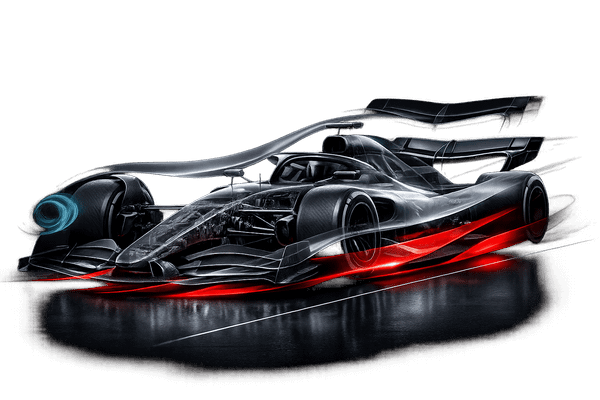
How F1 aerodynamics and suspension work together to control ride height, cure porpoising, and exploit 2026 active-aero rules.
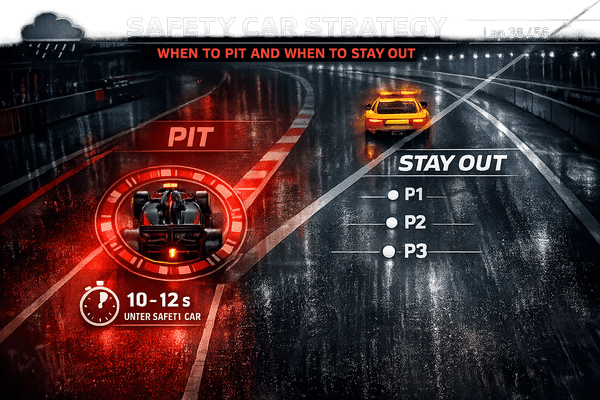
Decide whether to pit under a Safety Car by weighing tire wear, track position, race phase and weather—pits can save ~10–12s.
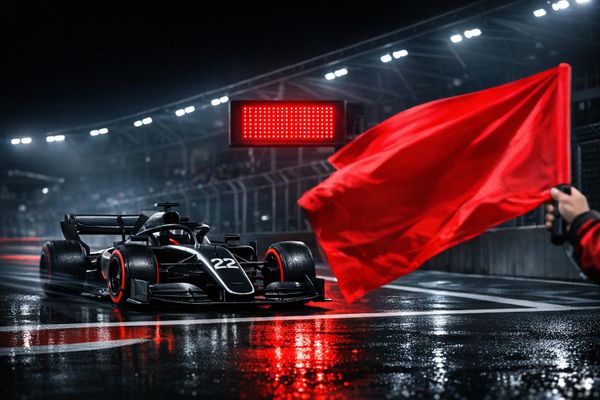
Red flags are F1's ultimate safety tool - how they stop races, reshape strategy, and govern restarts.