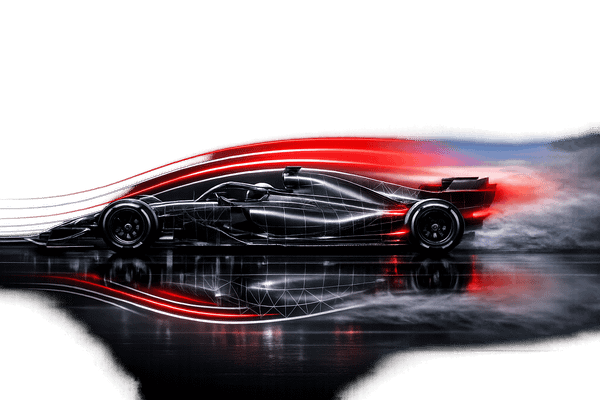
5 Steps to Optimize F1 Aerodynamics with CFD
CFD workflow to optimize F1 downforce and drag using surrogate models, iterative simulations, and wind-tunnel validation.
CFD workflow to optimize F1 downforce and drag using surrogate models, iterative simulations, and wind-tunnel validation.
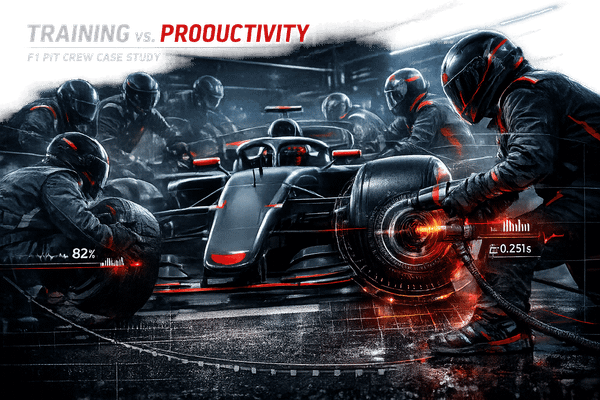
How F1 teams use athletic training, role rotation, data and AI to turn pit-stop preparation into consistent, millisecond gains.
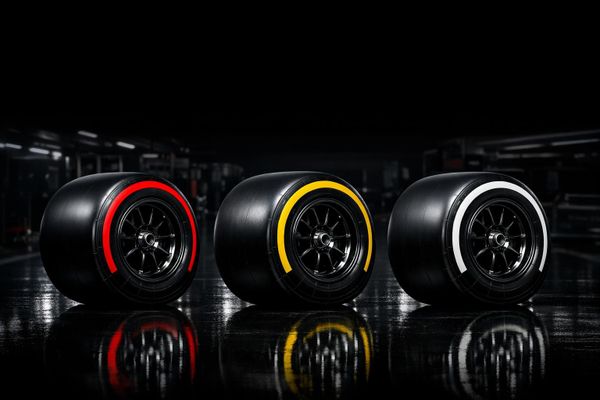
Explains how F1 soft, medium and hard compounds trade grip for durability and shape pit-stop and race strategies.
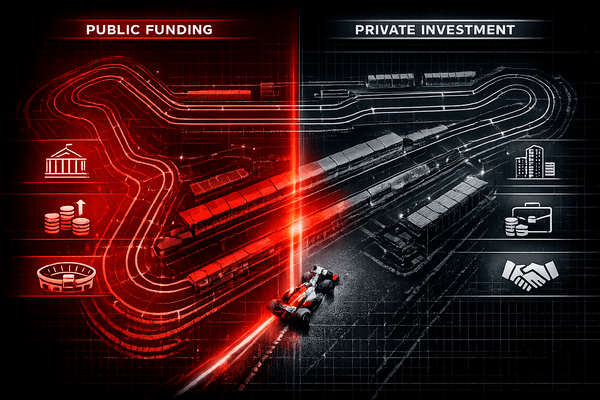
How public, private and hybrid funding shape F1 circuits — costs, risks, and economic impact of hosting Grand Prix.

How F1 radio grew from pit boards to encrypted, digital two-way systems with AI monitoring and TETRA networks.
Early-season poles often predict F1 champions—66% for drivers and 70%+ for teams—but accuracy drops as the season progresses.
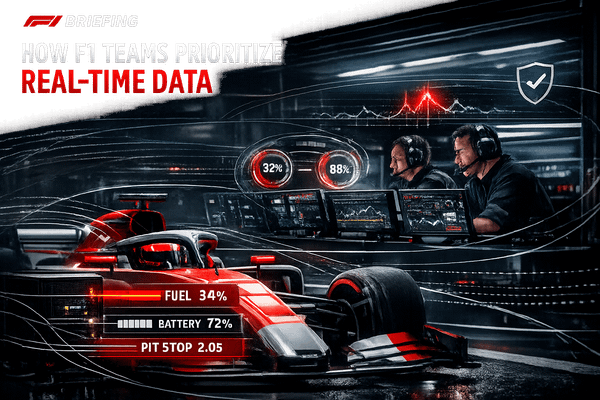
Explains how F1 teams use AI, edge computing, and telemetry to filter 1.1M data points/sec for pit strategy, safety, and performance.
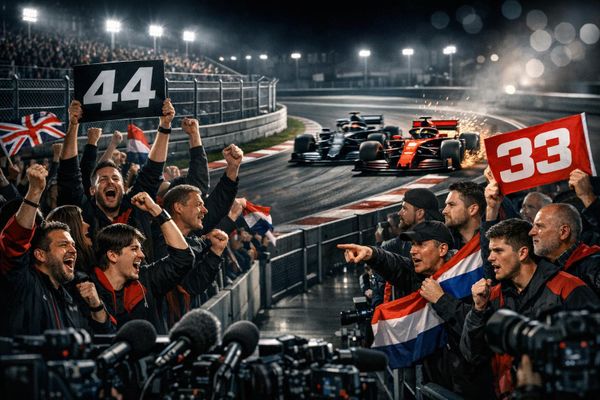
Fan, team and media reactions to the 2021 Hamilton–Verstappen clashes, covering Silverstone, Monza, Jeddah and the Abu Dhabi finale.

How F1 drivers beat jet lag with sleep shifts, timed light exposure, in-flight routines, exercise and tailored recovery tools.
2026 F1 aero and PU changes reward energy management and consistency—active aero, override boosts and revived turbo lag reshape driving.
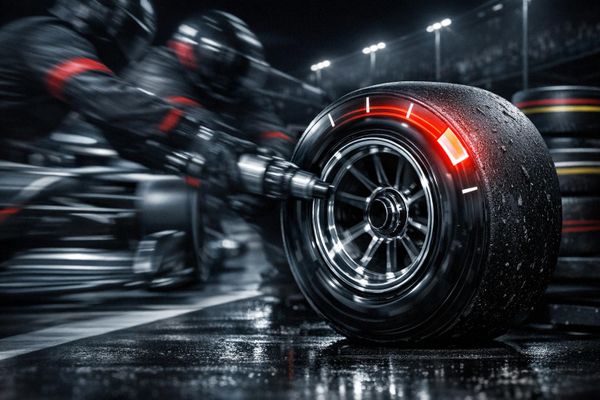
Explains how tire wear, compounds, track conditions and Bayesian models drive optimal F1 pit-stop timing and race strategy.

Urban fans drive F1's digital boom while rural viewers stay loyal yet risk losing access as broadcasts shift to streaming.