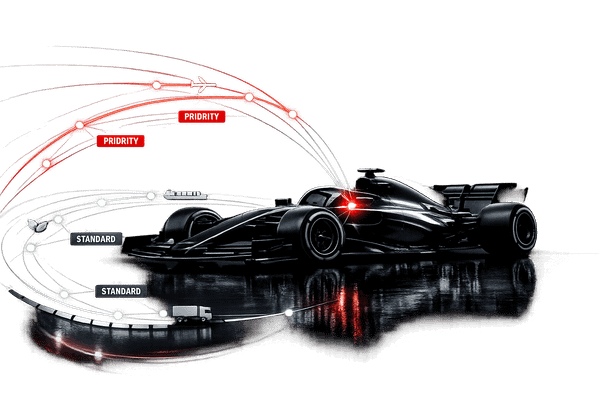
How F1 Teams Manage Vendor Relationships
Top F1 teams balance cost, reliability and sustainability using multimodal logistics, cargo prioritization, and long-term vendor contracts.
Top F1 teams balance cost, reliability and sustainability using multimodal logistics, cargo prioritization, and long-term vendor contracts.

Streaming-first F1 in 2026 turns live racing into an immersive, data-rich ecosystem while fragmenting global access.

Analysis of 2026 mid-season F1 rule changes and how energy-system tweaks reshaped driver consistency, strategy, and safety.

Williams' engineering-led dominance vs McLaren's driver-focused resurgence: how tech, engines and design shaped 1990s F1.

How F1 teams use 300+ sensors and live telemetry to optimize performance, strategy, and safety — and how 2026 rules will change sensing.

Teams model and adjust fuel use with telemetry, ERS, and driving techniques to balance speed, weight, and race finish.

Explains F1 tire degradation types, testing, driver techniques, and race strategies using telemetry and predictive models.
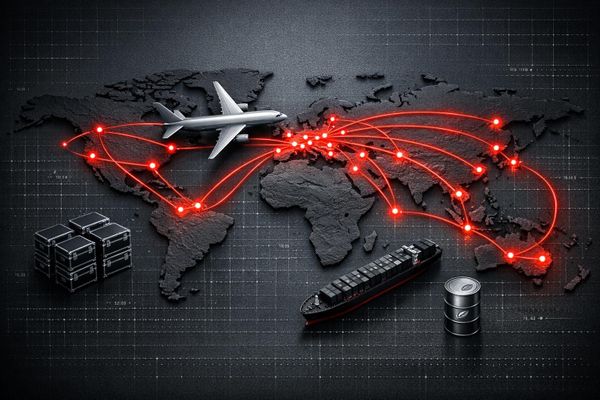
How F1 teams manage $8–$20M freight budgets: air vs sea, duplicate kits, logistics partners, AI and sustainable fuels under the $140M cap.
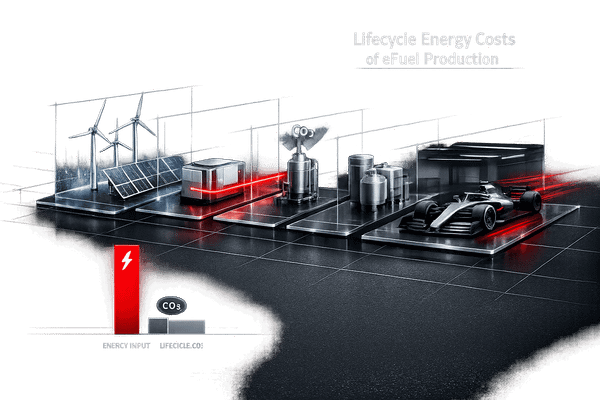
eFuels can cut lifecycle CO2 but require far more renewable energy and higher costs to produce.

Explains FIA’s four-step process to certify 100% sustainable, drop-in racing fuels through lifecycle audits, supply‑chain tracing, lab tests and race monitoring.
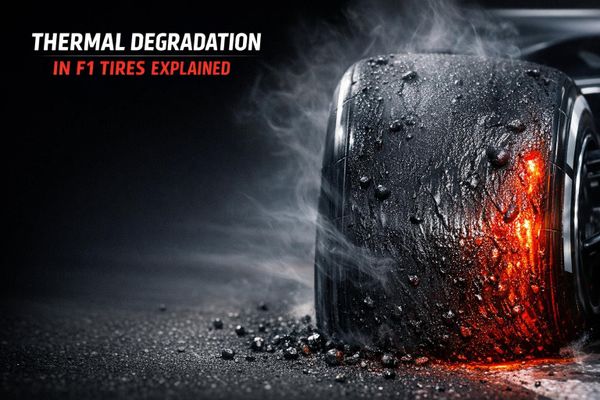
How overheating degrades F1 tires, impacting grip, lap times and strategy — causes, effects, and temperature management tips.

When to use an undercut or overcut in F1: benefits, risks, and how tire wear, track type and traffic shape pit timing decisions.