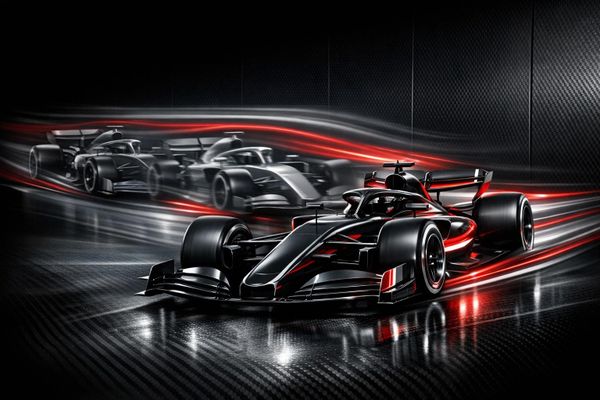
How Regulation Changes Impact F1 Car Evolution
F1's 2026 rules reshape car design: lower weight, less drag, 50/50 combustion-electric power, 100% sustainable fuel, active aero, and higher budget caps.
F1's 2026 rules reshape car design: lower weight, less drag, 50/50 combustion-electric power, 100% sustainable fuel, active aero, and higher budget caps.
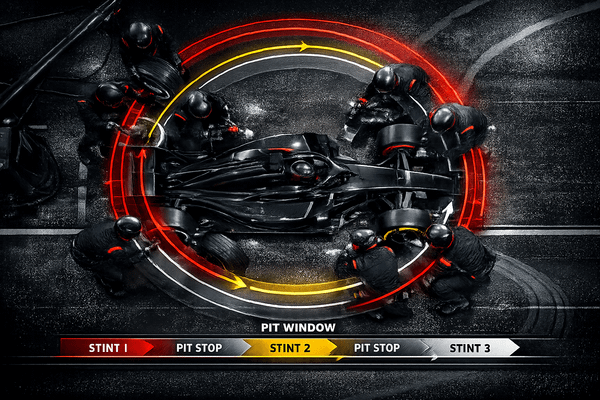
Discover the secrets of F1 tire strategy and pit tactics that shape every race. Learn how teams make split-second decisions for victory.
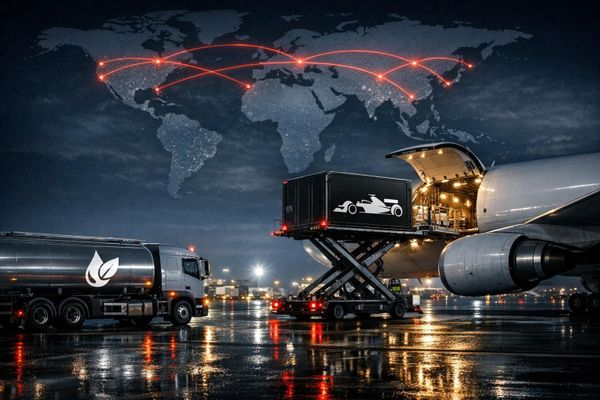
How Formula 1 used Sustainable Aviation Fuel and book-and-claim to cut air freight emissions 19% in 2024 (8,000+ tCO2e) while advancing Net Zero goals.

A data-led comparison of Hamilton and Schumacher career points, adjusted for scoring systems, race calendars and peak-season dominance.
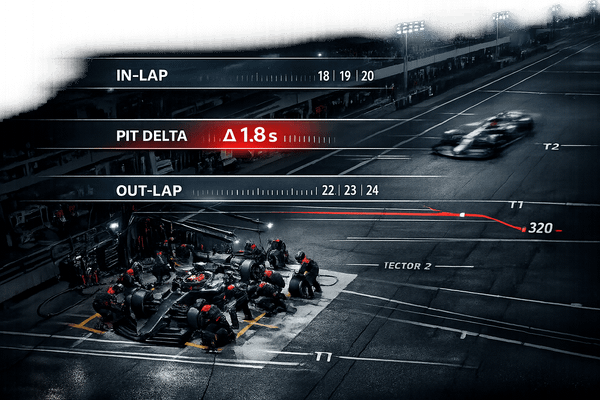
How pit-stop delta time shapes undercut/overcut choices, Safety Car tactics, and circuit-specific strategy using telemetry and simulations.
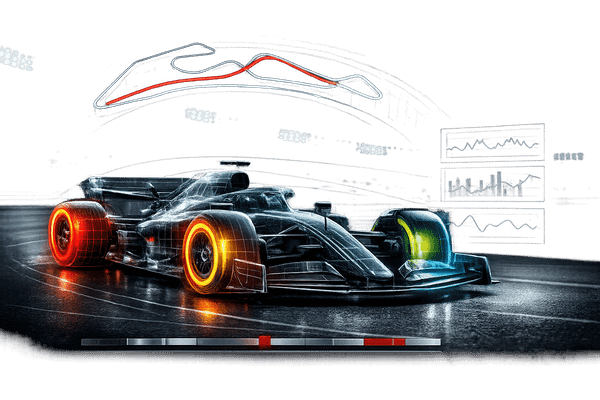
Teams convert millions of sensor readings into digital twins and real-time race simulations, using AI to predict tire wear, prevent failures, and optimize pit strategy.
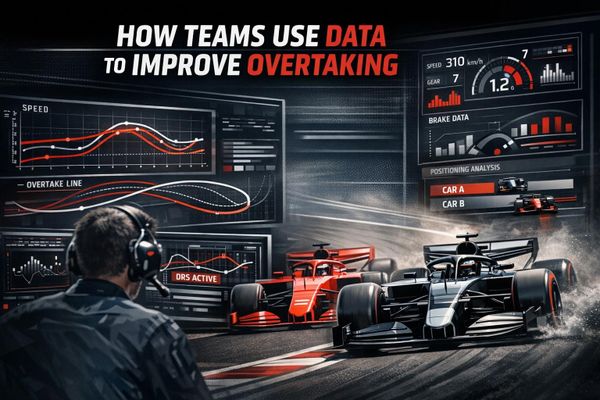
Data and AI now shape every overtake in Formula 1, using telemetry, simulations and tire metrics to time DRS/ERS, pit stops and energy deployment.

How Formula 1 teams move 50 tons per race using chartered air cargo for critical kit, rotating sea freight for bulky items, and truck convoys in Europe.

F1 teams use carbon-fiber composites, tailored layups and precision manufacturing to improve aerodynamic stability, cut weight, and control porpoising.
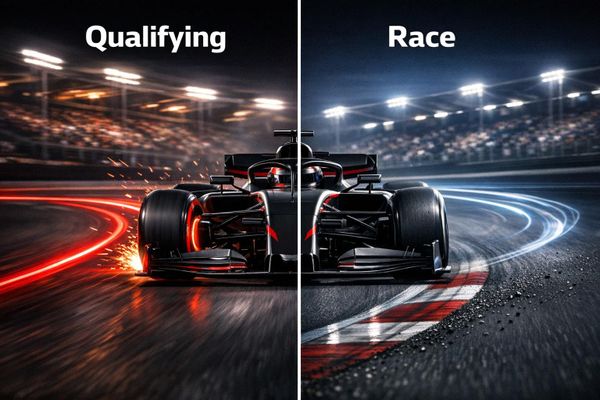
How F1 qualifying and race trims differ—fuel, aerodynamics, tires—and how drivers change braking, cornering and energy management across a race weekend.

Explains how F1 divides its ~$1.6B prize pool—75% performance, 20% historic, 5% heritage—and how the cost cap, anti-dilution fee and Concorde Agreements affect teams.

TV still leads F1 viewing, but streaming is surging—Gen Z and U.S. fans drive digital growth while Poland and South Korea remain TV-first.