
F1 Digital Content Leaves Some Fans Behind
F1's digital coverage often lacks captions, readable live timing, and fast mobile navigation; basic accessibility fixes would keep fans in the race.
F1's digital coverage often lacks captions, readable live timing, and fast mobile navigation; basic accessibility fixes would keep fans in the race.

How missed flights, visas, and last‑mile issues disrupt F1 race prep — and how teams reroute, charter, and reprioritize staff.
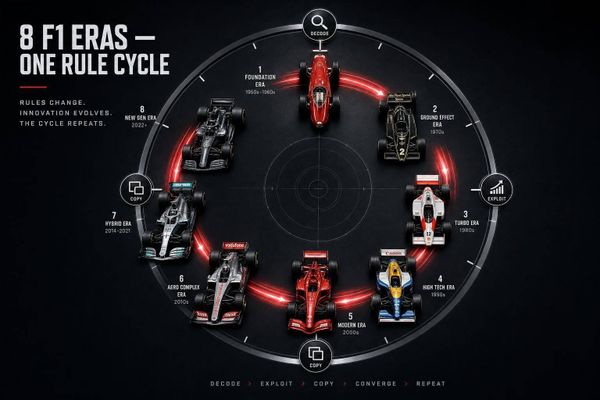
Major F1 rule resets repeat a clear cycle: one team decodes new regs, exploits loopholes, rivals copy, and the field tightens.
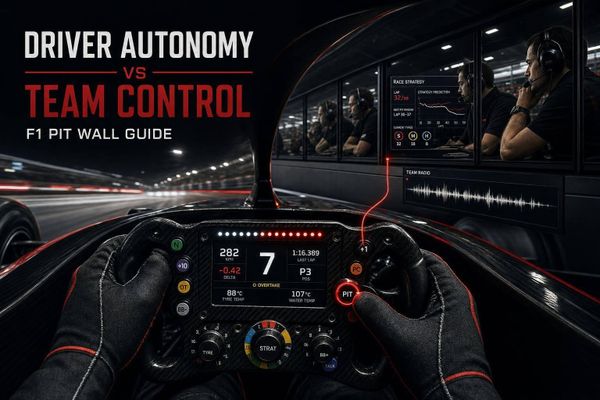
Breaks down pit wall strategy vs driver responsibility, FIA radio limits, team orders, and when drivers can override calls.
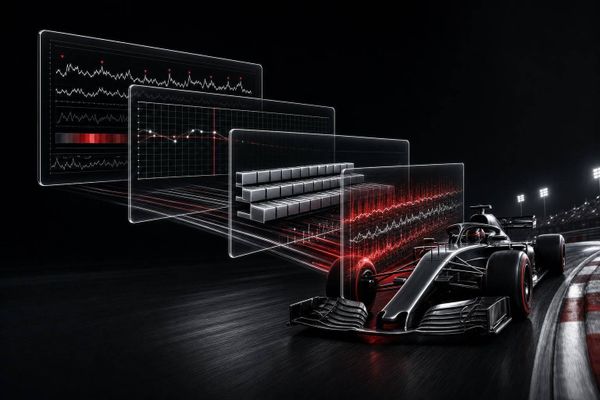
Ingest, query, and visualize high-frequency F1 telemetry in Azure Data Explorer using streaming, queued ingestion, and KQL.
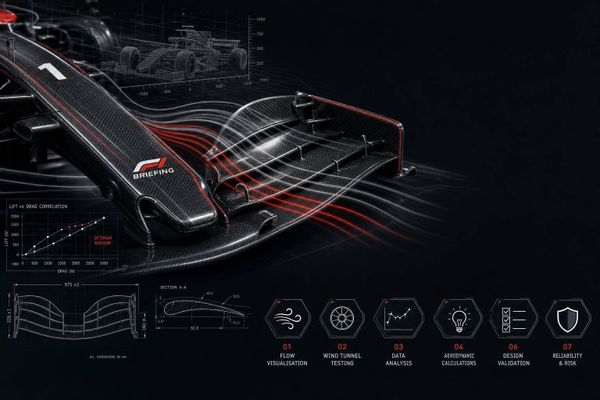
Seven practical F1 aero tests—CFD, wind tunnel, correlation, theory, problem-solving, design review and resilience.
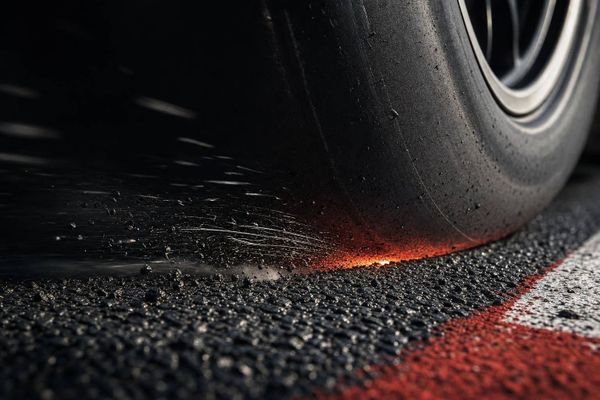
How asphalt age, aggregate, roughness and sealing change F1 tire temperatures, grip, wear and pit strategy across a race weekend.

How F1's Diversity Charter widened recruitment routes but still struggles to convert access into engineering roles and top driver seats.
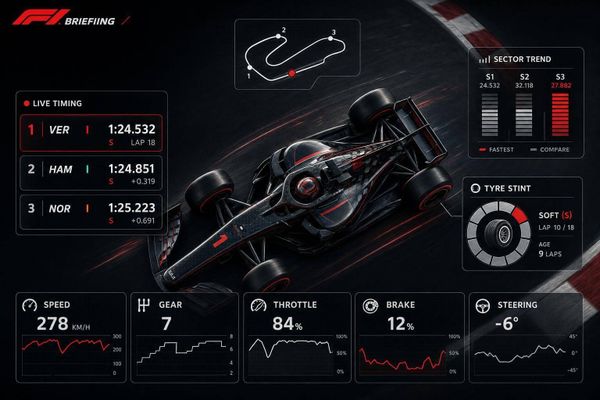
Breaks down F1 TV pit-wall feed: live timing, sector trends, tire stints, driver tracker and five fan telemetry channels.
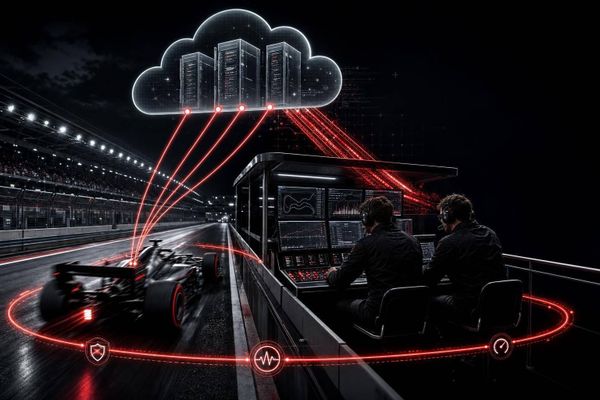
Keep split-second safety logic at the circuit while offloading heavy modeling, simulations, and season-scale analysis to the cloud.
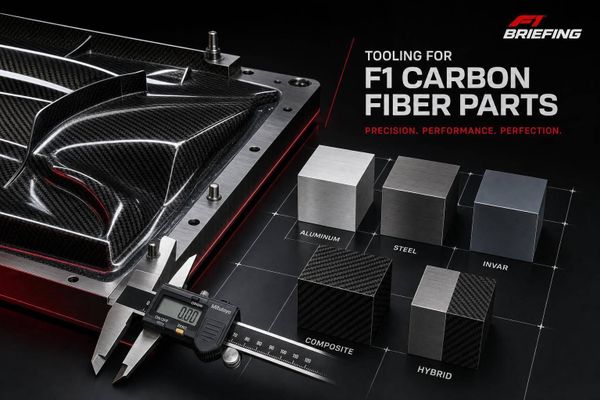
Compare aluminum, steel, Invar, composite and hybrid tooling for F1 carbon fiber parts: trade-offs in accuracy, heat response, and tool life.
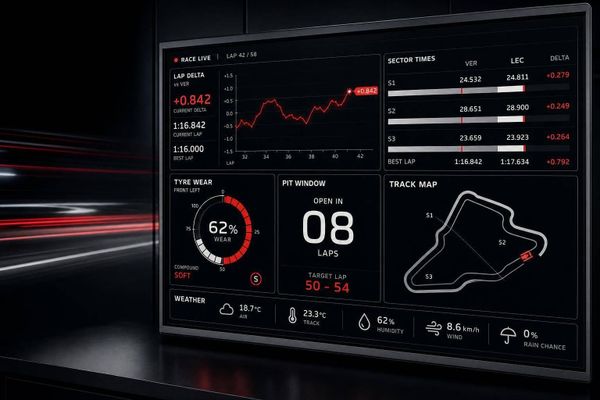
The best live-race F1 screen cuts the distance between signal and decision by keeping the right data front and center.