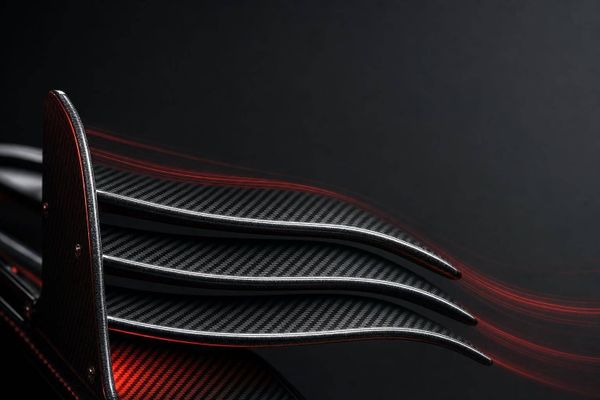
Study Summary: Composite Aero in Formula 1
The fastest F1 wings are tuned to bend in precise ways, balancing laminate lay-up, surface finish, manufacturability and FIA limits.
The fastest F1 wings are tuned to bend in precise ways, balancing laminate lay-up, surface finish, manufacturability and FIA limits.

How F1 teams test and assign pit‑crew roles using drills, split timing, video review, and backups for repeatable fast pit stops.
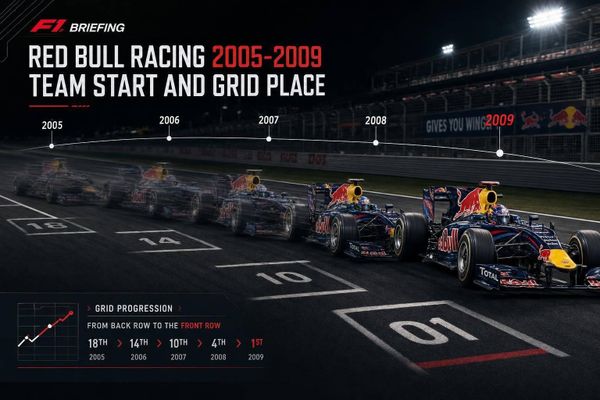
A midfield F1 team reshaped leadership, engineering, and drivers to leap from backmarker to 2nd in five seasons.
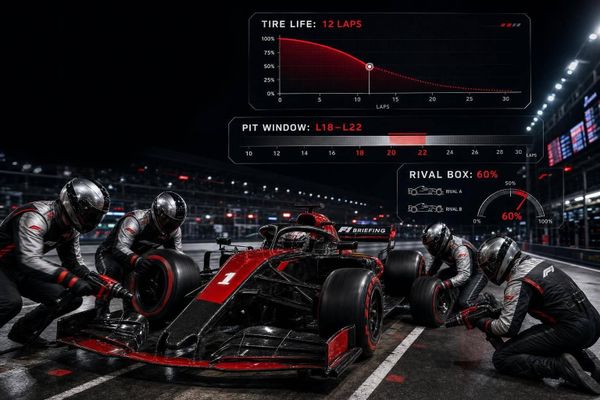
Deep learning supports F1 pit-wall calls by forecasting tire life, pit windows, and rival-response—fast numerical guidance, not a replacement.
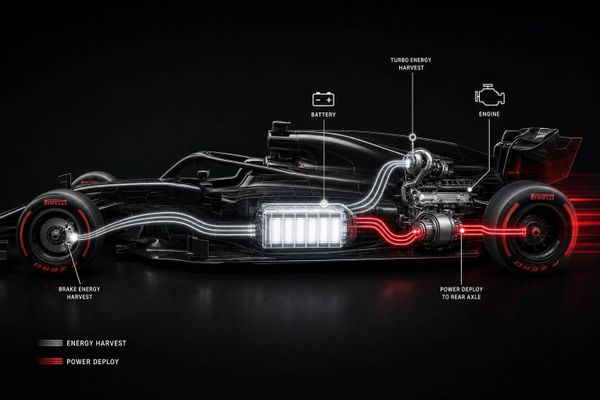
Battery strategy — not raw power — dictates lap time and power-unit lifespan in F1.
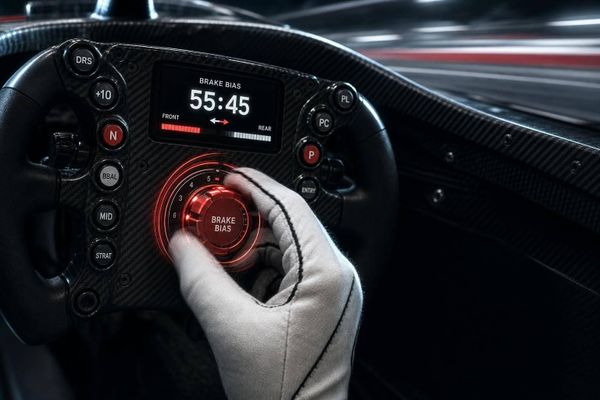
How F1 drivers tweak front/rear brake bias from the wheel to control stability, rotation, tire wear, and lockup risk during a stint.
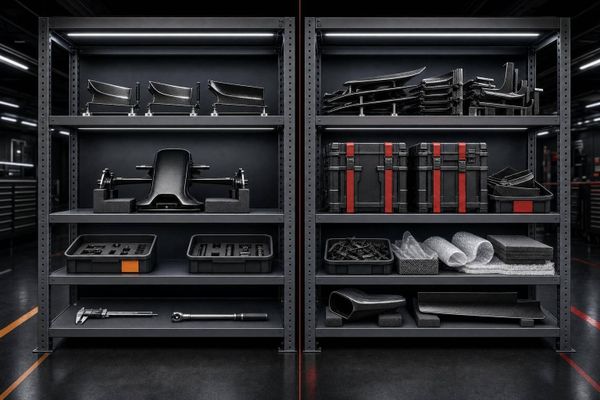
McLaren’s lean spares vs Ferrari’s early upgrade push under the F1 cost cap — timing, supplier strain, and waste trade-offs.
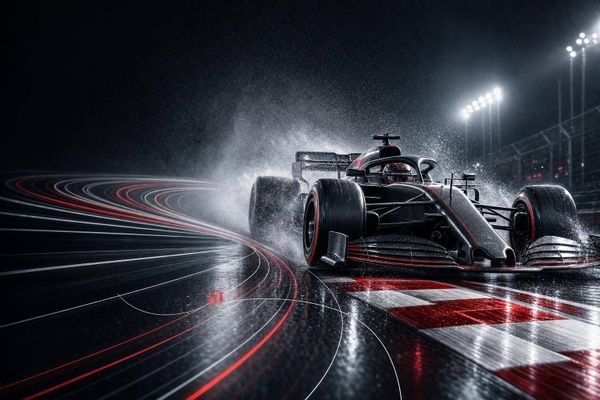
Top 10 F1 wet-weather drivers ranked by teammate gaps, podiums, recovery drives and crossover timing.
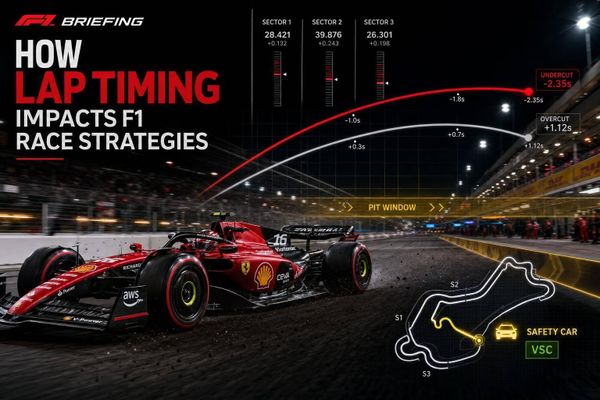
Explains how rolling lap times, sector splits, gaps and Safety Car/VSC change pit windows, undercuts/overcuts and tire calls.

How a team balanced sponsor demands and heritage across decades, using logo changes to trade commercial gain for lasting identity.
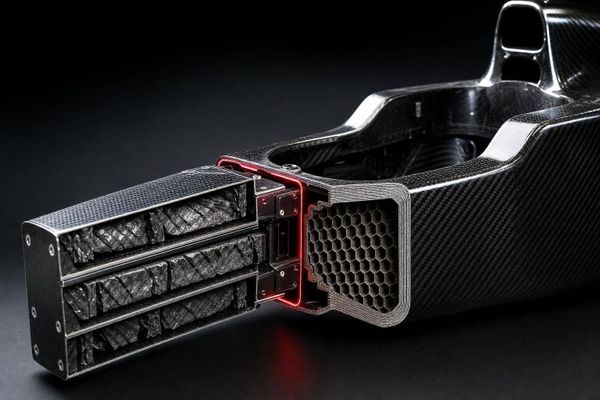
How carbon fiber monocoques and sacrificial crash structures protect F1 drivers, and how FIA tests verify safety.
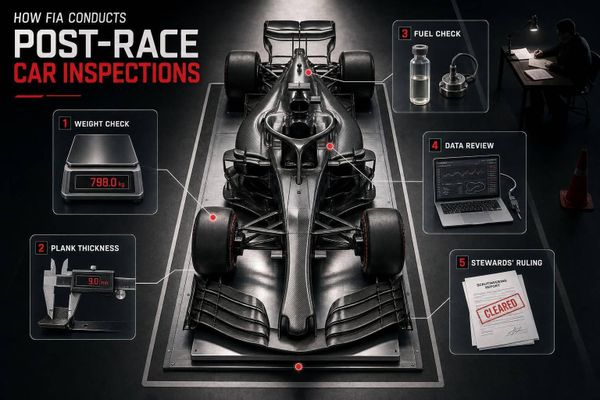
Step-by-step guide to post-race scrutineering: parc fermé, weight and plank checks, fuel/data review, and stewards' rulings.