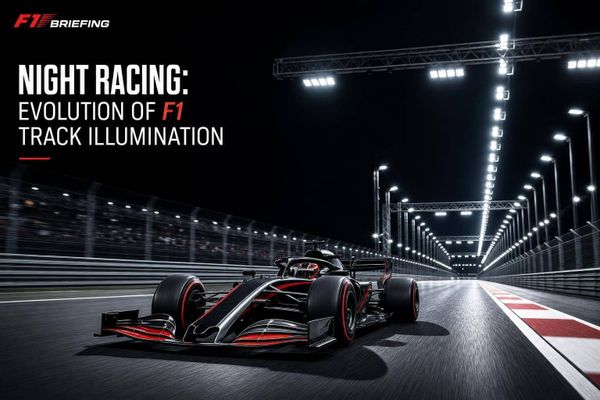
Night Racing: Evolution of F1 Track Illumination
How F1 night races recreate daylight: 3,000 lux, 5,700K, CRI 90, LED efficiency, uniformity, and layered redundancy for safety.
How F1 night races recreate daylight: 3,000 lux, 5,700K, CRI 90, LED efficiency, uniformity, and layered redundancy for safety.

Docuseries, social clips and plain-language race analysis drove F1’s surge in female viewers—and media must adapt to keep them.
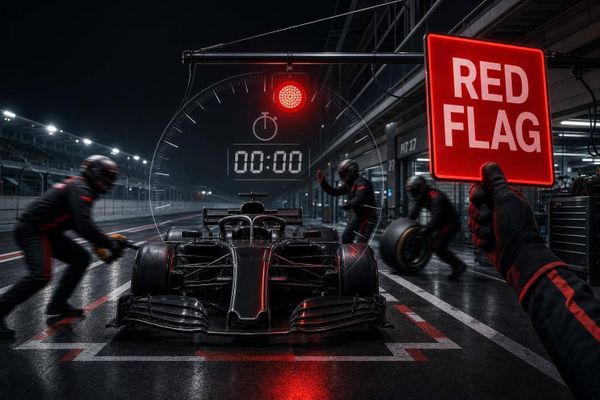
Red-flag pit stops protect safety but often erase pit-time costs, creating a free strategic advantage that skews race results.
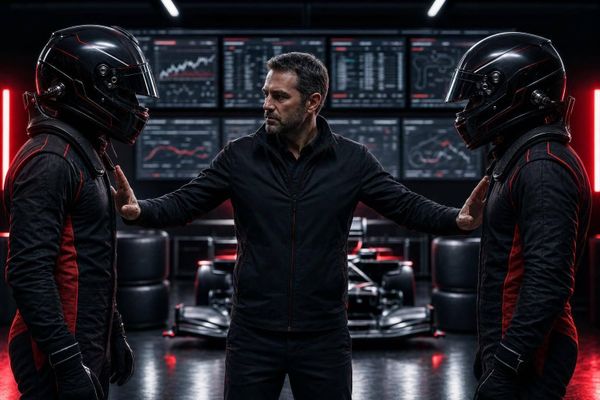
Driver rivalries are a leadership problem: unchecked teammate fights cost points, money, and team cohesion unless principals set clear rules.
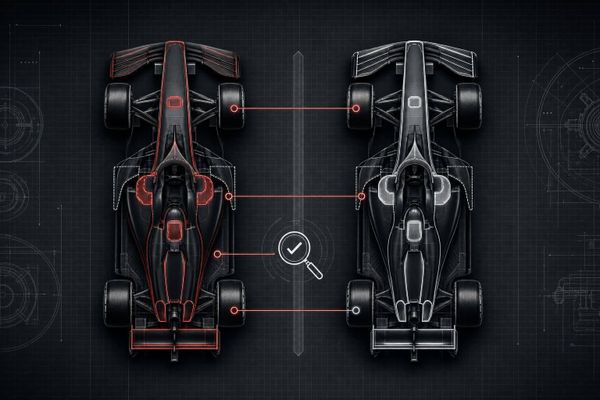
How dual team ownership works in F1, which parts can be shared or must remain independent, and why the FIA audits links.
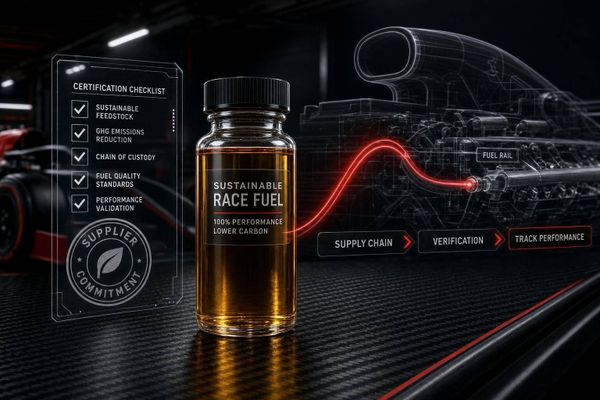
How long-term supplier partnerships, strict certification and testing make F1's 2026 100% sustainable fuel race-ready.
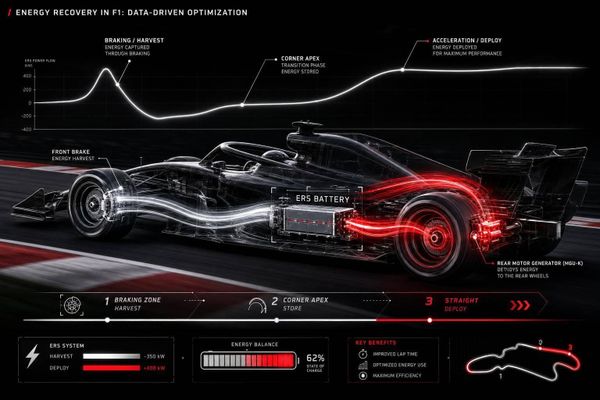
How 2026 F1 teams trade ERS harvest, deployment, and car stability to gain lap time across circuits and race phases.
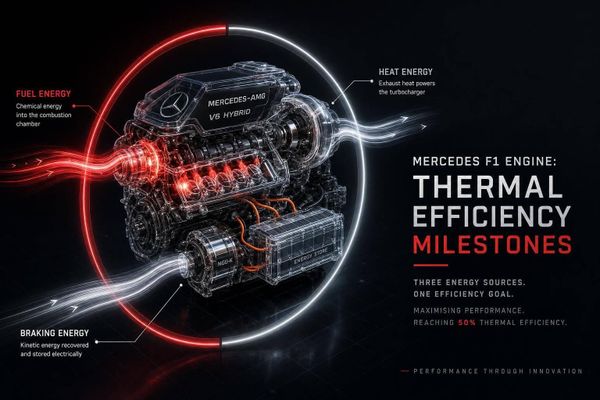
An F1 power unit crossed 50% thermal efficiency, converting fuel, heat and braking energy into measurable lap-time gains.
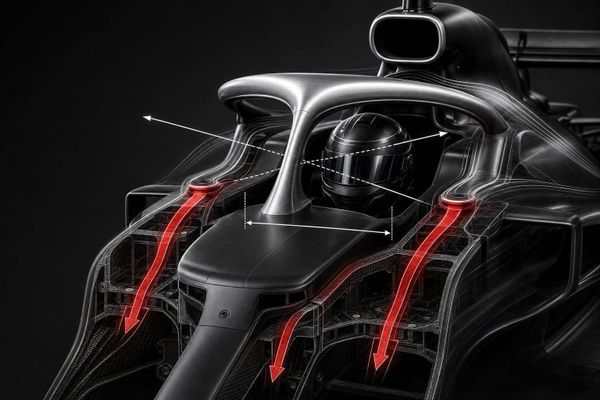
How the Halo reshaped F1 cockpits: new load paths, tighter exits, split sightlines and aero fixes.
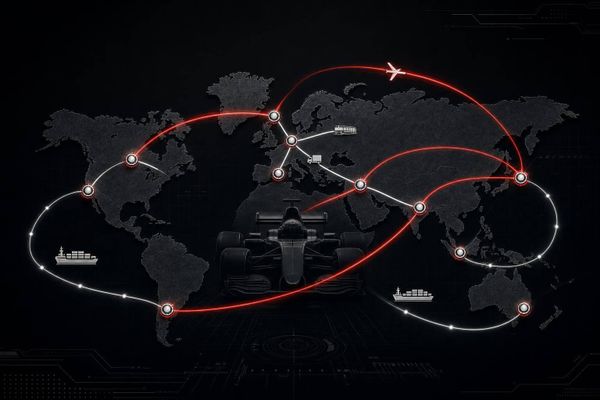
Logistics now drives F1 performance: teams limit air freight, rotate sea-freight sets, and use road/rail to cut costs and emissions.
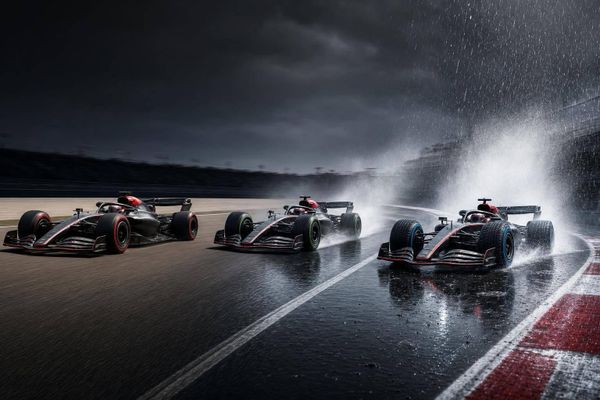
When to pick slicks, intermediates, or full wets—water clearance, crossover timing, and pit/race factors.
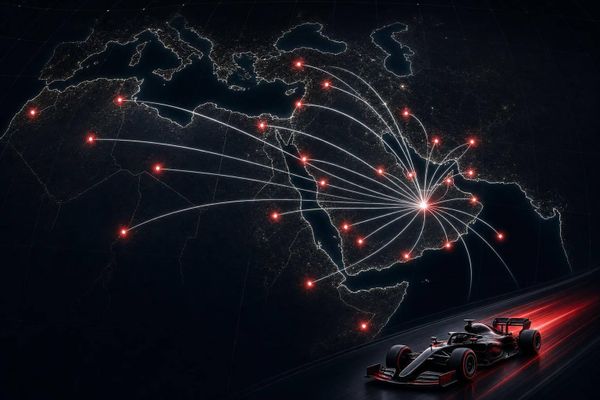
Breakdown of beIN's exclusive 10-year, $500M+ F1 rights across 25 MENA and Türkiye territories — access, production, and fan impact.